
The Foundation of Flavor: Why Oil MattersIn the kitchen, oil is more than just a lubricant; it's a fundamental ingredient that can elevate or diminish a dish. From searing a steak to dressing a salad, the right oil can enhance flavors, create desired textures, and even impact the nutritional value of your meal. But with so many …
The Foundation of Flavor: Why Oil Matters
In the kitchen, oil is more than just a lubricant; it's a fundamental ingredient that can elevate or diminish a dish. From searing a steak to dressing a salad, the right oil can enhance flavors, create desired textures, and even impact the nutritional value of your meal. But with so many options lining grocery store shelves, how do you choose? The answer lies in understanding two key characteristics: smoke point and flavor profile.
This guide will demystify the world of cooking oils, helping you make informed choices that lead to consistently delicious results. We'll explore popular varieties, their ideal applications, and how to avoid common pitfalls.
Decoding the Smoke Point: Your Oil's Heat Tolerance
Every oil has a smoke point – the temperature at which it begins to break down, producing smoke and an unpleasant, burnt flavor. Cooking an oil past its smoke point not only ruins the taste of your food but can also release undesirable compounds. Knowing an oil's smoke point is crucial for matching it to the appropriate cooking method.
- Low Smoke Point (below 325°F / 160°C): Best for no-heat applications like dressings, dips, and finishing dishes.
- Medium Smoke Point (325-375°F / 160-190°C): Suitable for gentle sautéing, baking, and low-to-medium heat roasting.
- Medium-High Smoke Point (375-450°F / 190-230°C): Ideal for pan-frying, stir-frying, and oven roasting at moderate temperatures.
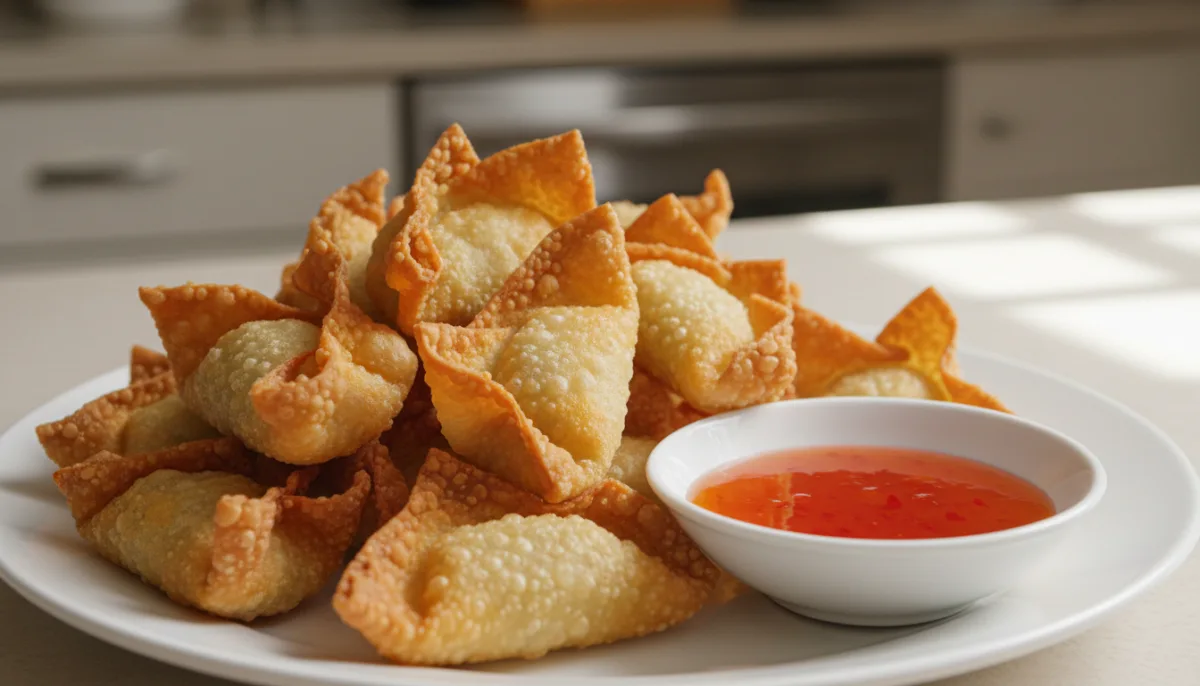
- High Smoke Point (above 450°F / 230°C): Perfect for deep-frying, searing, and high-heat roasting.
Exploring Popular Oils: Flavor, Smoke Point, and Best Uses
Olive Oil: The Mediterranean Staple
Olive oil, particularly extra virgin olive oil (EVOO), is celebrated for its rich, fruity, and sometimes peppery notes. Its flavor can vary significantly based on the olives used and processing methods.
- Smoke Point: EVOO has a relatively low smoke point (around 375°F / 190°C), making it best for dressings, finishing dishes, and light sautéing. Refined olive oil has a higher smoke point (around 470°F / 243°C) and is more suitable for general cooking.
- Flavor Profile: Grassy, peppery, fruity, sometimes bitter.
- Best Uses: Salad dressings, dipping bread, drizzling over finished dishes, light sautéing vegetables, making marinades.
Avocado Oil: The Versatile Powerhouse
Avocado oil has gained popularity for its mild flavor and impressive heat tolerance. It's pressed from the flesh of avocados.
- Smoke Point: Very high (around 520°F / 270°C), making it one of the most versatile oils for high-heat cooking.
- Flavor Profile: Mild, buttery, almost neutral.
- Best Uses: Searing, grilling, deep-frying, stir-frying, roasting, baking, and even in dressings where a neutral flavor is desired.
Grapeseed Oil: The Light and Clean Choice
Extracted from grape seeds, this oil is known for its light texture and clean taste, making it a favorite for delicate preparations.
- Smoke Point: High (around 420°F / 215°C).
- Flavor Profile: Very light, neutral, slightly nutty.
- Best Uses: Sautéing, baking, making mayonnaise, vinaigrettes, and any application where you want the food's natural flavors to shine without interference from the oil.
Coconut Oil: The Tropical Aroma
Coconut oil, derived from the meat of coconuts, offers a distinct tropical aroma and flavor. It's solid at room temperature and melts when heated.
- Smoke Point: Varies. Unrefined (virgin) coconut oil has a medium smoke point (around 350°F / 175°C), while refined coconut oil has a higher smoke point (around 400°F / 205°C).
- Flavor Profile: Distinctly coconut, sweet, tropical.
- Best Uses: Baking (especially for vegan recipes), stir-fries, curries, adding a tropical note to dishes, making popcorn.
Canola Oil: The Everyday Workhorse
Canola oil is a widely used, neutral-flavored oil derived from the rapeseed plant. It's known for its affordability and versatility.
- Smoke Point: High (around 400°F / 205°C).
- Flavor Profile: Very neutral, almost undetectable.
- Best Uses: General cooking, baking, frying, sautéing, roasting – a good all-purpose oil when you don't want to impart any specific flavor.
Sesame Oil: The Aromatic Finisher
Sesame oil, especially toasted sesame oil, is prized for its intense, nutty aroma and flavor, often used as a finishing oil rather than for cooking at high heat.
- Smoke Point: Unrefined sesame oil has a low smoke point (around 350°F / 175°C). Toasted sesame oil is typically used as a flavoring agent and not for high-heat cooking.
- Flavor Profile: Rich, nutty, earthy, very aromatic.
- Best Uses: Finishing Asian-inspired dishes, dressings, marinades, stir-fries (added at the end for flavor).
Choosing the Right Oil for the Job
Now that you understand the characteristics of various oils, let's put it into practice:
- For High-Heat Searing or Frying: Reach for avocado oil, grapeseed oil, or refined canola oil. Their high smoke points prevent burning and off-flavors.
- For Everyday Sautéing and Roasting: Canola oil, refined olive oil, or even refined coconut oil work well. They offer a good balance of heat tolerance and neutral or complementary flavors.
- For Salad Dressings and Drizzling: Extra virgin olive oil is a classic choice for its robust flavor. Grapeseed oil or avocado oil can be used for a milder dressing. Toasted sesame oil adds a unique aromatic touch.
- For Baking: Canola oil, melted coconut oil, or a neutral vegetable oil are often preferred as they don't overpower the other ingredients.
- For Flavor Infusion: Use extra virgin olive oil for Mediterranean dishes, toasted sesame oil for Asian cuisine, or coconut oil for tropical-inspired meals.
Storage Tips for Longevity
Proper storage helps maintain the quality and extend the shelf life of your oils. Most oils should be stored in a cool, dark place, away from direct sunlight and heat, which can cause them to go rancid faster. Tightly seal bottles after each use to minimize exposure to air.
Frequently Asked Questions
Can I reuse cooking oil?
It depends on the oil and what you cooked. Oils used for deep-frying can sometimes be strained and reused a few times, especially if they haven't reached their smoke point or developed off-flavors. However, oils used for strongly flavored foods or those that have smoked heavily should be discarded.
What's the difference between refined and unrefined oils?
Unrefined oils (like extra virgin olive oil or virgin coconut oil) are minimally processed, retaining more of their natural flavor, aroma, and nutrients. They generally have lower smoke points. Refined oils undergo processing to remove impurities, resulting in a more neutral flavor, lighter color, and higher smoke point, making them suitable for high-heat cooking.
Is it okay to mix different types of oils?
Yes, you can mix oils, especially if you're looking to combine flavor profiles or achieve a specific smoke point. For example, you might use a high-smoke-point oil for cooking and then drizzle a flavorful extra virgin olive oil at the end for aroma and taste.
Understanding the nuances of cooking oils empowers you to make deliberate choices in the kitchen. By considering smoke points and flavor profiles, you can unlock new dimensions of taste and texture in your home-cooked meals. Experiment, explore, and enjoy the journey of culinary discovery!