
The Aromatic World of Herbs: Fresh vs. DriedHerbs are the unsung heroes of the kitchen, transforming simple ingredients into dishes bursting with flavor and aroma. Yet, many home cooks find themselves pondering a common question: fresh or dried? While both forms offer distinct advantages, understanding their unique characteristi…
The Aromatic World of Herbs: Fresh vs. Dried
Herbs are the unsung heroes of the kitchen, transforming simple ingredients into dishes bursting with flavor and aroma. Yet, many home cooks find themselves pondering a common question: fresh or dried? While both forms offer distinct advantages, understanding their unique characteristics is key to unlocking their full culinary potential. This guide will help you navigate the aromatic world of herbs, ensuring you choose the right form at the right time for truly delicious results.
The Fundamental Differences: Potency and Profile
The most significant difference between fresh and dried herbs lies in their concentration of volatile oils – the compounds responsible for their flavor and aroma. When herbs are dried, their water content is removed, concentrating these oils. This means dried herbs are generally more potent than their fresh counterparts.
Fresh Herbs: Bright, Vibrant, and Aromatic
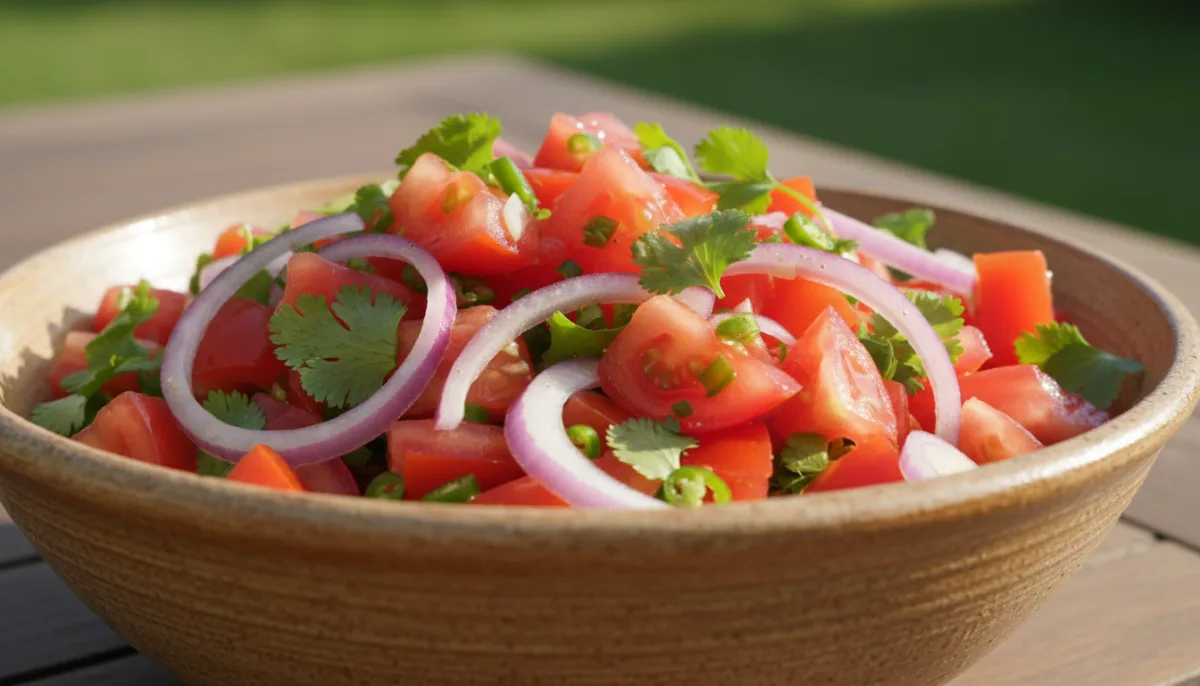
- Flavor Profile: Fresh herbs offer a brighter, more nuanced, and often more delicate flavor. They also contribute a vibrant visual appeal and a distinct texture to dishes.
- Best Uses: Ideal for dishes where their fresh aroma and texture can shine. Think garnishes, salads, pestos, marinades, and dishes with shorter cooking times. They are excellent when added towards the end of cooking to preserve their delicate notes.
- Examples: Parsley, cilantro, basil, mint, chives, dill.
Dried Herbs: Concentrated, Earthy, and Robust
- Flavor Profile: Dried herbs have a more concentrated, often earthier, and sometimes slightly different flavor profile than fresh. The drying process can alter some of the more delicate notes, bringing out deeper, more robust characteristics.
- Best Uses: Perfect for dishes that require longer cooking times, allowing their flavors to slowly infuse. Soups, stews, braises, sauces, rubs for roasted meats, and baked goods benefit greatly from dried herbs.
- Examples: Oregano, thyme, rosemary, bay leaves, marjoram, sage.
When to Substitute: A Practical Ratio
While fresh and dried herbs are not always interchangeable, knowing the general substitution ratio can be incredibly helpful. Because dried herbs are more concentrated, you'll typically use less of them.
- General Rule: For every 1 tablespoon of fresh herbs, use 1 teaspoon of dried herbs.
- Conversely: For every 1 teaspoon of dried herbs, use 1 tablespoon of fresh herbs.
This 3:1 ratio (fresh to dried) is a good starting point, but always taste and adjust. Some herbs, like basil and cilantro, lose much of their vibrant character when dried, making fresh the preferred choice whenever possible for certain applications.
Maximizing Flavor: Tips for Both Forms
For Fresh Herbs:
- Add Late: To preserve their delicate flavors and vibrant color, add fresh herbs towards the end of cooking or as a garnish just before serving.
- Bruise Gently: For herbs like basil or mint in a salad, a gentle bruise (like tearing by hand) can release more aromatic oils than chopping with a knife.
- Chop Finely (or not): The fineness of your chop depends on the desired texture and flavor release. Finer chops release more flavor quickly; coarser chops offer bursts of flavor and visual appeal.
- Proper Storage: Store fresh herbs like a bouquet of flowers in a glass of water on the counter (for basil) or in the refrigerator (for most others), loosely covered with a plastic bag.
For Dried Herbs:
- Bloom Them: To awaken their flavors, especially in dishes with little liquid, 'bloom' dried herbs by warming them gently in a little oil or butter for a minute before adding other ingredients. This helps release their essential oils.
- Add Early: Dried herbs benefit from longer cooking times to fully rehydrate and infuse their flavors into the dish. Add them early in the cooking process.
- Crush Before Use: Gently crush dried herbs between your fingers or in the palm of your hand before adding them to a dish. This helps release their aromatic oils.
- Check Potency: The potency of dried herbs diminishes over time. If your dried herbs have been sitting in the pantry for years, their flavor will be significantly weaker. Aim to replace them annually for best results.
- Proper Storage: Store dried herbs in airtight containers in a cool, dark place, away from direct sunlight and heat, to preserve their potency.
Beyond the Basics: Specific Herb Considerations
- Basil: Best fresh. Dried basil has a much milder, sometimes hay-like flavor. Use fresh for pestos, caprese, and finishing dishes.
- Cilantro: Almost exclusively used fresh. Dried cilantro loses its characteristic bright, citrusy notes.
- Parsley: Both fresh and dried are useful. Fresh for garnish and bright flavor; dried for longer-cooked dishes where its milder, grassy notes are desired.
- Rosemary & Thyme: Excellent in both forms. Dried rosemary and thyme hold their flavor well and are fantastic in roasts and stews. Fresh sprigs are wonderful for infusing oils or as a garnish.
- Oregano: Often preferred dried, especially in Mediterranean and Italian cooking, where its robust, earthy flavor shines after cooking.
Conclusion
Embracing the nuances between fresh and dried herbs is a journey that enriches your cooking. By understanding their distinct characteristics, knowing when to substitute, and employing smart storage and preparation techniques, you can elevate your dishes from good to truly unforgettable. Experiment, taste, and discover the incredible depth of flavor that herbs bring to your culinary adventures.
Frequently Asked Questions
Q: Can I always substitute fresh herbs for dried, or vice versa?
A: While a general substitution ratio exists (3:1 fresh to dried), it's not always ideal. Some herbs, like basil and cilantro, lose much of their vibrant character when dried, making fresh the preferred choice for certain applications where their bright notes are crucial. Conversely, some dishes benefit from the concentrated, earthy flavor of dried herbs.
Q: How long do fresh herbs last, and how should I store them?
A: Most fresh herbs last about 1-2 weeks when stored properly. For basil, keep stems in a glass of water on the counter, loosely covered. For most other herbs (parsley, cilantro, dill), trim stems, place in a glass of water, cover loosely with a plastic bag, and refrigerate. You can also wrap them in a damp paper towel and place them in a sealed bag in the crisper drawer.
Q: How long do dried herbs retain their potency?
A: Dried herbs generally retain their potency for about 6 months to 1 year. After this, they won't spoil, but their flavor and aroma will significantly diminish. It's a good practice to replace them annually for the best culinary results. Store them in airtight containers in a cool, dark place.