
Embracing the Ancient: A Guide to Cooking Wholesome Grains In the world of home cooking, grains often form the foundation of a meal. While rice and pasta are kitchen staples, a wealth of ancient grains offers diverse textures, flavors, and nutritional benefits that can elevate everyday dishes. These less common, yet incredibly v…
Embracing the Ancient: A Guide to Cooking Wholesome Grains
In the world of home cooking, grains often form the foundation of a meal. While rice and pasta are kitchen staples, a wealth of ancient grains offers diverse textures, flavors, and nutritional benefits that can elevate everyday dishes. These less common, yet incredibly versatile, ingredients are not only delicious but also packed with fiber, protein, and essential minerals. This guide will demystify cooking with grains like quinoa, farro, and others, providing practical instructions and tips to help you incorporate them seamlessly into your culinary repertoire.
Quinoa: The Complete Protein Powerhouse
Quinoa, pronounced KEEN-wah, is technically a seed, but it's prepared and consumed like a grain. Originating from the Andes, it's celebrated for being a complete protein, meaning it contains all nine essential amino acids. It cooks relatively quickly and has a slightly nutty flavor and a fluffy, yet slightly chewy, texture.
Cooking Quinoa Perfectly
- Rinsing is Key: Quinoa has a natural coating called saponin, which can impart a bitter taste. Always rinse quinoa thoroughly under cold running water in a fine-mesh sieve until the water runs clear.
- Ratio: Use a 1:2 ratio of quinoa to liquid (e.g., 1 cup quinoa to 2 cups water or broth).
- Method: Combine rinsed quinoa and liquid in a saucepan. Bring to a boil, then reduce heat to low, cover, and simmer for 15 minutes, or until all liquid is absorbed.
- Rest and Fluff: Remove from heat and let stand, covered, for 5 minutes. Fluff with a fork before serving.
Flavor Enhancement for Quinoa
- Cook in vegetable or chicken broth instead of water for added depth.
- Stir in fresh herbs like parsley or cilantro after cooking.
- Add a squeeze of lemon juice or a dash of apple cider vinegar for brightness.
- Toast dry quinoa in a pan for a few minutes before adding liquid to enhance its nutty flavor.
Farro: The Chewy, Nutty Italian Staple
Farro, an ancient wheat grain, has been a dietary cornerstone in Italy for centuries. It boasts a satisfyingly chewy texture and a rich, nutty flavor. Farro comes in different forms: whole, semi-pearled, and pearled. Whole farro retains all its bran and germ, requiring longer cooking and often an overnight soak. Semi-pearled has some of the bran removed, while pearled farro has most of the bran removed, resulting in quicker cooking times.
Cooking Farro Perfectly
- Rinsing: A quick rinse is usually sufficient for pearled or semi-pearled farro. Whole farro benefits from a good rinse and an overnight soak.
- Ratio: For pearled or semi-pearled, use a 1:3 ratio of farro to liquid. For whole farro, use a 1:4 ratio.
- Method (Pearled/Semi-Pearled): Combine farro and liquid in a saucepan. Bring to a boil, then reduce heat to a simmer, cover, and cook for 20-30 minutes, or until tender but still chewy.
- Method (Whole Farro): After soaking, drain and rinse. Combine with liquid, bring to a boil, then reduce heat, cover, and simmer for 40-60 minutes, or until tender.
- Drain Excess: Unlike quinoa, farro may have some excess liquid after cooking. Drain it off before serving.
Flavor Enhancement for Farro
- Sauté aromatics like garlic and onion in olive oil before adding farro and liquid.
- Cook with a bay leaf or a sprig of rosemary for an aromatic touch.
- Stir in roasted vegetables or a dollop of pesto after cooking.
Millet: The Versatile, Gluten-Free Grain
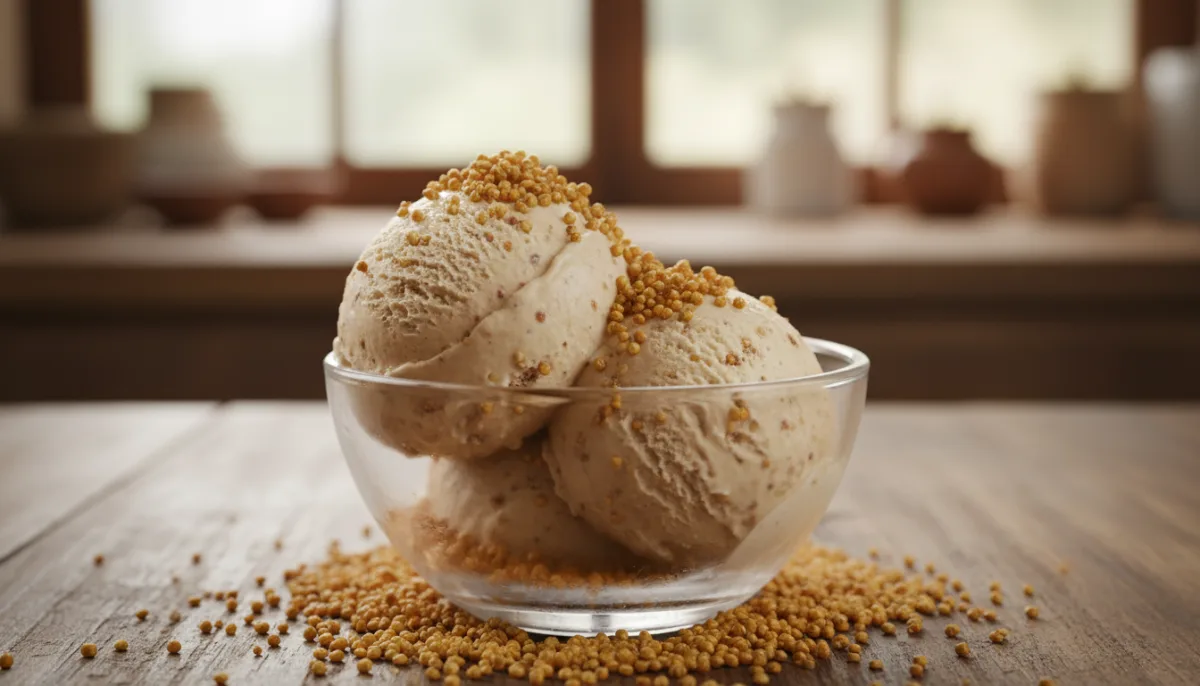
Millet is a small, round grain that is naturally gluten-free and highly digestible. It has a mild, slightly sweet flavor and can be cooked to a fluffy, rice-like consistency or a creamier, porridge-like texture, depending on the liquid ratio. It's a good source of magnesium and phosphorus.
Cooking Millet Perfectly
- Rinsing: Rinse millet under cold water in a fine-mesh sieve.
- Ratio (Fluffy): Use a 1:2.5 ratio of millet to liquid.
- Ratio (Creamy): Use a 1:3 or 1:4 ratio of millet to liquid.
- Method: Combine rinsed millet and liquid in a saucepan. Bring to a boil, then reduce heat to low, cover, and simmer for 20-25 minutes, or until liquid is absorbed.
- Rest and Fluff: Let stand, covered, for 5-10 minutes, then fluff with a fork.
Flavor Enhancement for Millet
- Toast dry millet in a pan before adding liquid for a deeper flavor.
- Add dried fruits and nuts for a breakfast porridge.
- Use as a base for savory bowls with roasted vegetables and a flavorful dressing.
Sorghum: The Hearty, Chewy Grain
Sorghum is a robust, gluten-free grain with a chewy texture and a mild, slightly sweet flavor. It's a good source of fiber and antioxidants. Sorghum takes longer to cook than some other grains, but its satisfying texture makes it worth the wait.
Cooking Sorghum Perfectly
- Soaking (Optional but Recommended): Soaking sorghum overnight can significantly reduce cooking time. Drain and rinse thoroughly after soaking.
- Ratio: Use a 1:3 ratio of sorghum to liquid.
- Method: Combine sorghum and liquid in a saucepan. Bring to a boil, then reduce heat to low, cover, and simmer for 50-60 minutes (if soaked) or 60-90 minutes (if unsoaked), or until tender.
- Drain Excess: Drain any remaining liquid before serving.
Flavor Enhancement for Sorghum
- Use in grain salads with vibrant dressings and fresh vegetables.
- Add to soups and stews for a hearty, chewy element.
- Season with spices like cumin or paprika during cooking.
General Tips for Cooking Ancient Grains
- Use Quality Liquid: Water is fine, but broths (vegetable, chicken, or beef) add significant flavor.
- Seasoning: A pinch of salt in the cooking liquid is essential to bring out the grain's natural flavor.
- Don't Peek: Resist the urge to lift the lid too often during simmering, as this releases steam and can affect cooking time and texture.
- Batch Cooking: Cook a larger batch of grains at the beginning of the week and store them in the refrigerator for quick meals.
- Experiment: Don't be afraid to try different herbs, spices, and cooking liquids to find what you enjoy most.
Frequently Asked Questions About Ancient Grains
Q: Are ancient grains gluten-free?
A: Not all ancient grains are gluten-free. Quinoa, millet, and sorghum are naturally gluten-free. Farro, being a type of wheat, contains gluten. Always check packaging if gluten is a concern.
Q: How can I tell if my grains are cooked properly?
A: Grains should be tender but still have a slight chew to them. They shouldn't be mushy or overly hard. Taste a few grains to check for doneness.
Q: Can I cook these grains in a rice cooker?
A: Yes, many ancient grains can be cooked in a rice cooker. Follow the grain-to-liquid ratios provided and use your rice cooker's standard cooking cycle. Monitor for doneness, as cooking times may vary slightly.
Incorporating ancient grains into your diet is a simple yet impactful way to boost nutrition and add exciting new textures and flavors to your meals. With these guidelines, you're well-equipped to explore the delicious world beyond traditional rice and pasta, bringing wholesome goodness to your table.