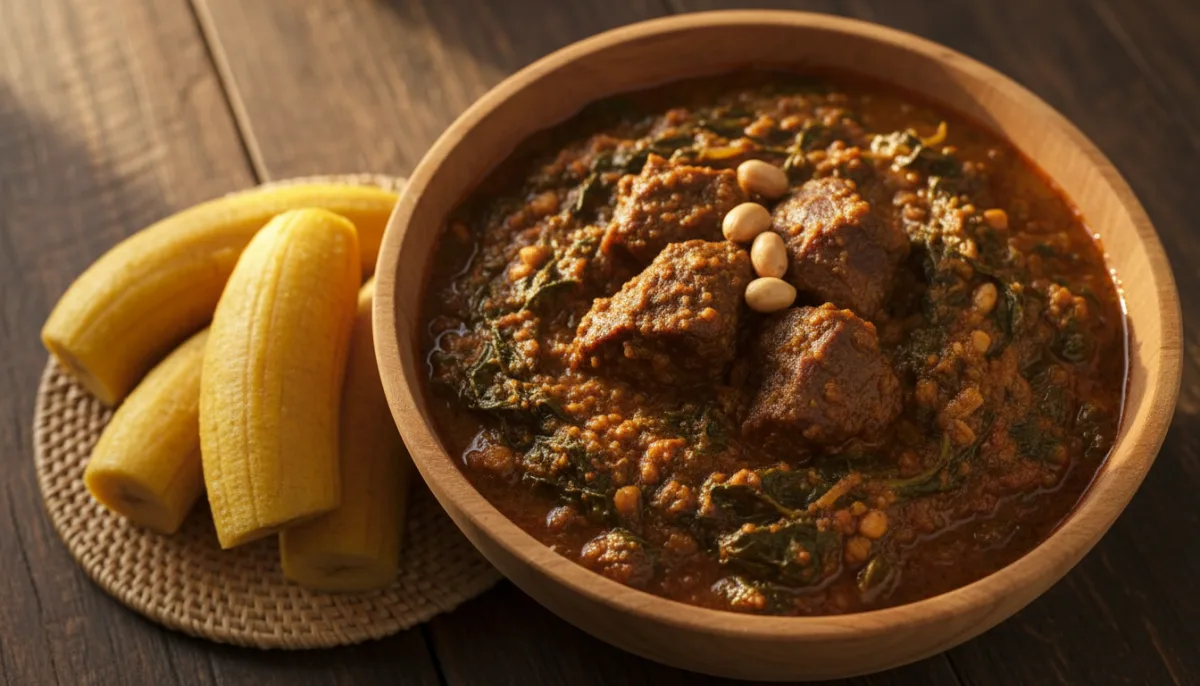


The Intriguing World of Bitter FlavorsBitterness. For many, it's a flavor to be avoided, a sign of something gone wrong. Yet, in the hands of a skilled cook, bitterness transforms from an antagonist into a crucial player, adding depth, complexity, and a sophisticated edge to dishes. Think of the satisfying bite of a perfectly br…
The Intriguing World of Bitter Flavors
Bitterness. For many, it's a flavor to be avoided, a sign of something gone wrong. Yet, in the hands of a skilled cook, bitterness transforms from an antagonist into a crucial player, adding depth, complexity, and a sophisticated edge to dishes. Think of the satisfying bite of a perfectly brewed coffee, the rich finish of dark chocolate, or the refreshing zest of a grapefruit. These are all experiences shaped by bitterness. Far from being a flaw, bitterness is a fundamental taste that, when understood and balanced, can elevate your cooking from good to truly exceptional.
This article will guide you through the fascinating world of bitter flavors, exploring common bitter ingredients, the science behind their taste, and practical techniques to balance and even embrace them in your kitchen. Get ready to unlock a new dimension of flavor!
What Makes Something Bitter?
At its core, bitterness is a chemical sensation. Our tongues have taste receptors specifically designed to detect bitter compounds, often as a natural defense mechanism against potentially harmful substances in nature. However, many beneficial and delicious foods also contain these compounds. Common bitter compounds include:
- Caffeine: Found in coffee, tea, and chocolate.
- Theobromine: Another compound in chocolate.
- Naringin: Responsible for the bitterness in grapefruit.
- Glucosinolates: Present in cruciferous vegetables like broccoli, kale, and Brussels sprouts.
- Polyphenols/Tannins: Found in red wine, tea, and some fruits.
The intensity of bitterness can vary greatly, and our individual sensitivity to it also differs. Some people are 'super-tasters' and perceive bitterness more strongly than others.
Common Bitter Ingredients and Their Culinary Roles
Let's explore some everyday bitter ingredients and how they contribute to our meals:
Coffee and Cocoa
- Coffee: Beyond being a morning ritual, coffee can be a powerful ingredient in savory and sweet dishes. A touch of espresso powder can deepen the flavor of chocolate cakes, stews, or chili, adding a roasted, earthy bitterness that enhances other notes without making the dish taste like coffee itself.
- Dark Chocolate: The higher the cocoa percentage, the more pronounced the bitterness. This bitterness is essential for cutting through sweetness in desserts, providing a rich counterpoint that prevents dishes from being cloyingly sweet. It also pairs beautifully with fruits, nuts, and spices.
Leafy Greens and Vegetables
- Kale, Arugula, Radicchio, Endive: These greens offer a peppery, sharp, or distinctly bitter note that can provide a refreshing contrast in salads. They stand up well to rich dressings, creamy cheeses, or fatty meats.
- Broccoli Rabe (Rapini): Known for its assertive bitterness, it's often blanched to mellow it slightly, then sautéed with garlic and chili flakes, pairing wonderfully with pasta or sausage.
- Brussels Sprouts: When roasted until caramelized, their bitterness softens and sweetens, revealing nutty undertones.
Citrus Zest and Pith
- Grapefruit, Pomelo, Seville Oranges: The zest contains aromatic oils, while the white pith underneath is quite bitter. A little zest can add a bright, complex bitterness to marinades, dressings, or desserts. Care must be taken to avoid too much pith.
Techniques to Balance Bitter Flavors
The goal isn't always to eliminate bitterness, but to harmonize it with other tastes. Here are key strategies:
1. Introduce Sweetness
Sweetness is the classic counterpoint to bitterness. A touch of honey, maple syrup, sugar, or even naturally sweet ingredients like roasted carrots or caramelized onions can soften and round out bitter notes. Think of how sugar balances coffee or how a sweet glaze tames Brussels sprouts.
2. Add Acidity
A squeeze of lemon or lime juice, a splash of vinegar, or even a tangy fruit can brighten and cut through bitterness. Acidity provides a refreshing contrast, making the overall flavor profile more vibrant. This is why a squeeze of lemon often accompanies bitter greens or why vinaigrettes work so well on salads.
3. Incorporate Fat
Fat can coat the palate, mellowing the perception of bitterness and carrying other flavors. Olive oil, butter, cheese, or creamy dressings can make bitter greens more palatable and enjoyable. The richness of a creamy sauce can beautifully complement the sharpness of radicchio.
4. Use Salt Judiciously
While not a direct counter to bitterness in the same way as sweetness, salt can enhance other flavors and make a dish taste more balanced overall. A pinch of salt can make bitter greens taste less harsh and more savory.
5. Cooking Methods
- Blanching: For very bitter greens like broccoli rabe, a quick blanch in boiling water followed by an ice bath can leach out some of the more intense bitter compounds.
- Roasting/Caramelizing: High heat can transform bitter vegetables. Roasting Brussels sprouts or endive brings out their natural sugars, mellowing their bitterness and adding a delicious caramelized flavor.
- Long Cooking: In stews or braises, bitter ingredients like dark beer or coffee can mellow and integrate over time, contributing depth rather than overt bitterness.
Embracing Bitterness: A Path to Sophisticated Cooking
Once you understand how to balance bitterness, you can start to actively seek it out and use it to your advantage. Bitterness adds a layer of sophistication that simpler flavors often lack. It challenges the palate in a good way, making you appreciate the interplay of different tastes.
- In Salads: Combine bitter greens with sweet fruits (like oranges or pears), salty cheeses (feta, goat cheese), crunchy nuts, and a tangy vinaigrette.
- With Meats: A coffee rub on steak or pork can create a beautiful crust and a complex, earthy flavor. Dark chocolate can be incorporated into chili or mole sauces.
- In Desserts: Don't shy away from high-percentage dark chocolate. Pair it with raspberries, sea salt, or a hint of chili for an exciting flavor experience.
- Beverages: Think beyond just coffee. Herbal teas, certain craft beers, and cocktails often feature bitter elements that are key to their character.
By experimenting with these techniques and ingredients, you'll discover that bitterness isn't something to fear, but a powerful tool in your culinary arsenal. It's about creating harmony, where each flavor note plays its part in a delicious symphony. So, next time you encounter a bitter ingredient, don't shy away – embrace the challenge and unlock its potential!
Frequently Asked Questions
Q: Is all bitterness bad for you?
A: No, absolutely not! Many bitter foods, like dark leafy greens, coffee, and dark chocolate, are rich in antioxidants and other beneficial compounds. The bitterness is often a sign of these healthy components.
Q: Why do some people dislike bitter flavors more than others?
A: Sensitivity to bitterness is partly genetic. Some individuals are 'super-tasters' and have more taste receptors for bitter compounds, making them perceive bitterness more intensely. Cultural upbringing and exposure to different foods also play a role.
Q: Can I remove bitterness from a dish if I've added too much?
A: It's challenging to completely remove it, but you can often balance it. Try adding more sweetness (sugar, honey), acidity (lemon juice, vinegar), or fat (butter, cream, olive oil) to mellow the bitterness and create a more harmonious flavor profile.
Q: What's the difference between bitter and astringent?
A: Bitterness is a taste sensation, while astringency is a tactile sensation. Astringency creates a drying, puckering feeling in the mouth (like unripe bananas or strong black tea), caused by tannins. While often found together, they are distinct experiences.