
Introduction: The Unsung Hero of the Sourdough Kitchen For many home bakers, maintaining a vibrant sourdough starter is a rewarding ritual. The bubbling activity, the distinct aroma, and the promise of a perfectly crusted loaf are all part of the allure. However, this dedication often comes with a byproduct: sourdough discard. T…
Introduction: The Unsung Hero of the Sourdough Kitchen
For many home bakers, maintaining a vibrant sourdough starter is a rewarding ritual. The bubbling activity, the distinct aroma, and the promise of a perfectly crusted loaf are all part of the allure. However, this dedication often comes with a byproduct: sourdough discard. This unfed portion of your starter, while not active enough to leaven bread on its own, is far too valuable to simply cast aside. It's a treasure trove of flavor, a complex mixture of fermented flour and water, teeming with beneficial microbes and a subtle tang that can elevate a surprising array of dishes. While crackers and pancakes are popular starting points, the true potential of sourdough discard extends far beyond these familiar uses. Let's delve into the science behind its unique properties and explore creative ways to integrate it into your everyday cooking, transforming what was once considered waste into a culinary asset.
Understanding Sourdough Discard: More Than Just Flour and Water
Sourdough discard isn't merely inactive starter; it's a concentrated flavor enhancer. The fermentation process, even in its dormant state, continues to break down starches and proteins in the flour, creating a more complex flavor profile. This enzymatic activity contributes to a deeper, more nuanced taste than unfermented flour. The lactic and acetic acids produced by the wild yeasts and bacteria impart that characteristic sourdough tang, which can brighten and balance other flavors in a dish. Furthermore, the discard adds a unique texture – a slight chewiness and a subtle crispness when baked – that can be difficult to achieve with conventional ingredients.
The Flavor Profile: A Culinary Secret Weapon
- Acidity: The lactic and acetic acids provide a pleasant tang, cutting through richness and adding brightness.
- Umami: The breakdown of proteins during fermentation can contribute to a savory, umami depth.
- Complexity: A subtle yeasty, malty, and sometimes fruity note adds layers of flavor.
Savory Innovations: Elevating Everyday Meals
The savory applications for sourdough discard are vast and often surprising. Its inherent tang and ability to add structure make it an excellent addition to many dishes.
Crispy Coatings and Binders
Instead of traditional breadcrumbs, consider using discard to create a unique coating. Mix it with herbs, spices, and a touch of oil, then spread thinly on a baking sheet and bake until crisp. This 'sourdough crumble' can be used to top casseroles, salads, or even as a crunchy element for roasted vegetables. For binding, discard can replace some of the flour or egg in meatloaf, meatballs, or vegetable patties, adding moisture and a subtle fermented note.
Flavorful Batters and Doughs
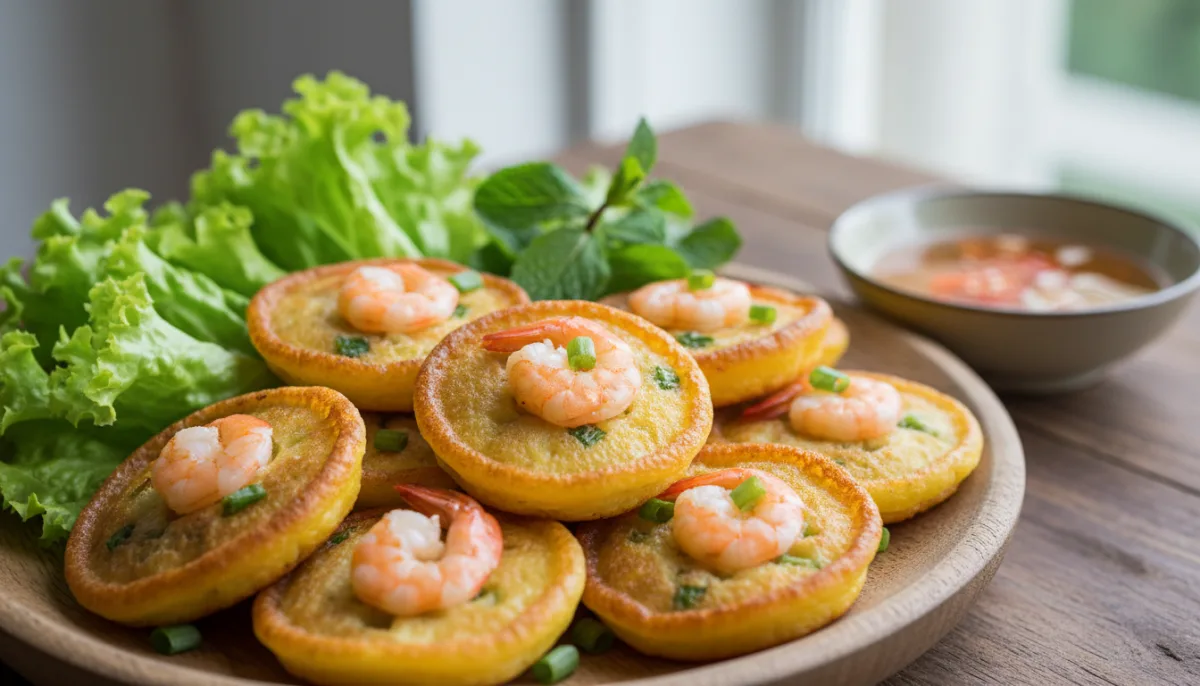
- Fritters and Latkes: Incorporate discard into vegetable fritter or potato latke batters for a lighter, crispier texture and a hint of tang.
- Savory Pancakes/Blini: Thin out discard with a little milk or water, add chopped herbs, cheese, or finely diced vegetables, and cook small savory pancakes. Serve with smoked salmon or crème fraîche.
- Pizza Crust/Focaccia: While not active enough to leaven a full loaf, discard can be added to a regular yeast-leavened pizza dough or focaccia recipe. It enhances flavor and contributes to a more tender crumb.
Thickeners and Enhancers
A small amount of discard can be stirred into soups or stews towards the end of cooking to add a subtle thickening and a layer of complex flavor. It works particularly well in creamy vegetable soups or hearty bean stews, where its acidity can balance richness.
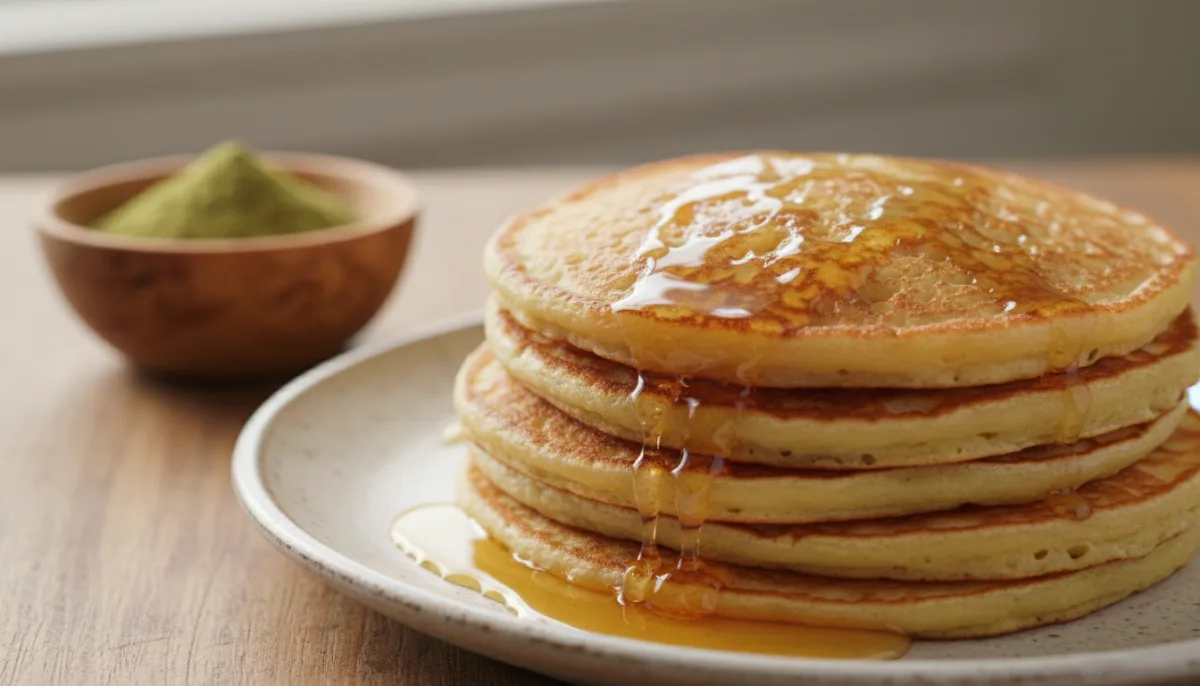
Sweet Surprises: Beyond the Pancake Stack
The tang of sourdough discard might seem counterintuitive for sweet dishes, but it acts much like buttermilk or yogurt, adding moisture, tenderness, and a delightful complexity that prevents sweetness from becoming cloying.
Moist Bakes and Quick Breads
Discard is a fantastic addition to muffins, quick breads, and even some cakes. It contributes to a tender crumb and a subtle tang that complements fruits, spices, and chocolate beautifully. Replace a portion of the liquid or flour in your favorite recipe with discard. For example, in a banana bread recipe, you might substitute half a cup of milk or yogurt with half a cup of discard.
Dessert Batters and Toppings
- Waffles and Crepes: Elevate your breakfast or dessert waffles and crepes by incorporating discard into the batter. It yields a crispier waffle and a more tender crepe with a nuanced flavor.
- Fruit Crumbles/Crisps: Mix discard with oats, butter, sugar, and spices to create a unique, tangy crumble topping for baked fruit desserts.
- Donuts/Fritters: For a slightly chewier texture and a hint of fermented flavor, add discard to donut or apple fritter batters.
Practical Tips for Using Sourdough Discard
- Storage: Keep discard in a sealed container in the refrigerator. It will last for several days, even up to a week or two, though its flavor will become more pronounced over time.
- Consistency: Discard consistency can vary. Adjust other liquids or flours in your recipe accordingly to achieve the desired batter or dough texture.
- Flavor Intensity: Older discard will have a stronger, more acidic flavor. Consider this when choosing which recipe to use it in. Fresher discard is milder and more versatile.
- Substitution Ratios: As a general guideline, you can often substitute discard for a portion of the flour and liquid in a recipe. For example, 100g of discard (typically 50g flour, 50g water) can replace 50g of flour and 50g of liquid. Adjust as needed.
Conclusion: A World of Flavor Awaits
Sourdough discard is far more than just a byproduct; it's a versatile ingredient waiting to be explored. By understanding its unique properties – its acidity, its ability to tenderize, and its complex flavor profile – you can unlock a world of culinary possibilities. From savory coatings to sweet bakes, integrating discard into your cooking not only minimizes waste but also adds a distinctive depth and character to your dishes. So, the next time you feed your starter, remember that the discard isn't just something to be used up; it's an opportunity to create something truly delicious and unique.
Frequently Asked Questions
Q: Can I use discard that has been in the fridge for a long time?
A: Yes, but be mindful of its flavor. Older discard (1-2 weeks) will be more acidic and potent. It's excellent for recipes where a strong tang is desired, like savory crackers or certain quick breads. If it smells off or has mold, it's best to discard it.
Q: Does sourdough discard make baked goods sour?
A: Not necessarily. While it adds a tang, in many recipes, especially sweet ones, this acidity balances the sweetness and adds complexity, much like buttermilk or yogurt. The amount used and other ingredients will influence the final flavor.
Q: Can I use discard to leaven bread?
A: No, discard is unfed and not active enough to provide significant leavening on its own. It can be added to yeast-leavened doughs for flavor and texture, but it won't replace the active starter or commercial yeast needed for rise.