
The Versatile Lentil: A Guide to Different Varieties and Their Culinary Applications Lentils, those small, disc-shaped legumes, are a staple in kitchens around the world for good reason. They are not only nutritious and economical but also incredibly adaptable. Often overlooked in favor of their larger bean cousins, lentils offe…
The Versatile Lentil: A Guide to Different Varieties and Their Culinary ApplicationsLentils, those small, disc-shaped legumes, are a staple in kitchens around the world for good reason. They are not only nutritious and economical but also incredibly adaptable. Often overlooked in favor of their larger bean cousins, lentils offer a spectrum of textures, flavors, and colors, each suited to different culinary purposes. Understanding these distinctions can elevate your cooking, transforming simple meals into something truly special.
From quick-cooking red lentils that melt into creamy soups to robust green varieties perfect for salads, there's a lentil for every dish. Let's delve into the diverse world of lentils and uncover how to best utilize each type in your kitchen.
Understanding Lentil Basics
Before we explore individual varieties, it's helpful to know a few general facts about lentils. Unlike many other legumes, lentils do not require pre-soaking, which makes them a convenient choice for weeknight meals. They cook relatively quickly, typically ranging from 15 to 30 minutes depending on the type. Their earthy flavor profile makes them excellent at absorbing other seasonings, allowing them to complement a wide array of cuisines.
A Tour Through Lentil Varieties
Red Lentils: The Quick-Cooking Creamy Dream
Red lentils are perhaps the most distinctive in appearance, ranging from a vibrant orange to a pale coral. These are often sold split and hulled, which contributes to their rapid cooking time and tendency to break down. This characteristic is precisely what makes them so valuable in certain dishes.
- Characteristics: Mild, slightly sweet flavor; cook very quickly (15-20 minutes); lose their shape and become creamy when cooked.
- Best For:
- Soups and Stews: They thicken broths beautifully, creating a smooth, rich texture. Think Indian dals, Egyptian koshary, or creamy lentil soups.
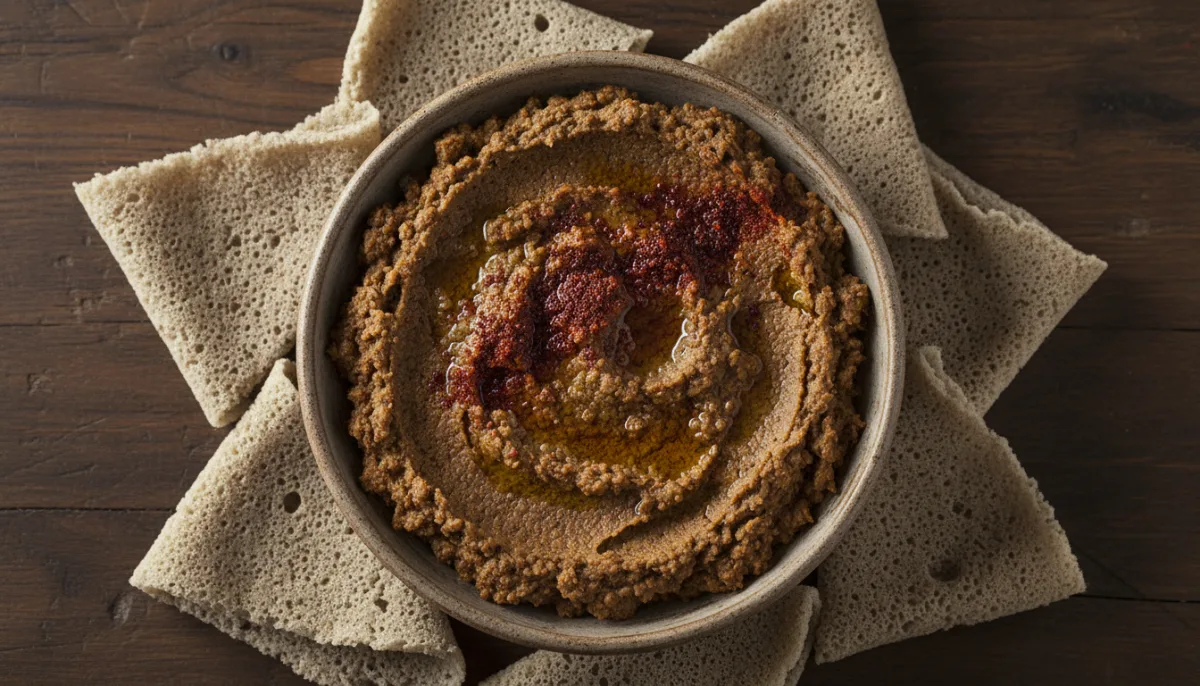
- Purees and Dips: Excellent for making spreads like a lentil pâté or a creamy dip.
- Thickeners: Can be used to add body to sauces or curries.
- Cooking Tip: Watch them closely as they cook to prevent them from becoming too mushy if you desire some texture.
Green Lentils: The Hearty and Flavorful Choice
Green lentils, often referred to as French Green Lentils or Puy lentils (though true Puy lentils come from a specific region in France and have a protected designation), are known for holding their shape well after cooking. They have a richer, more peppery flavor compared to red lentils.
- Characteristics: Earthy, robust flavor; hold their shape well; cook in about 20-25 minutes.
- Best For:
- Salads: Their firm texture makes them ideal for cold salads, where they won't turn to mush. Combine with roasted vegetables, herbs, and a vinaigrette.
- Side Dishes: A great accompaniment to roasted meats or fish.
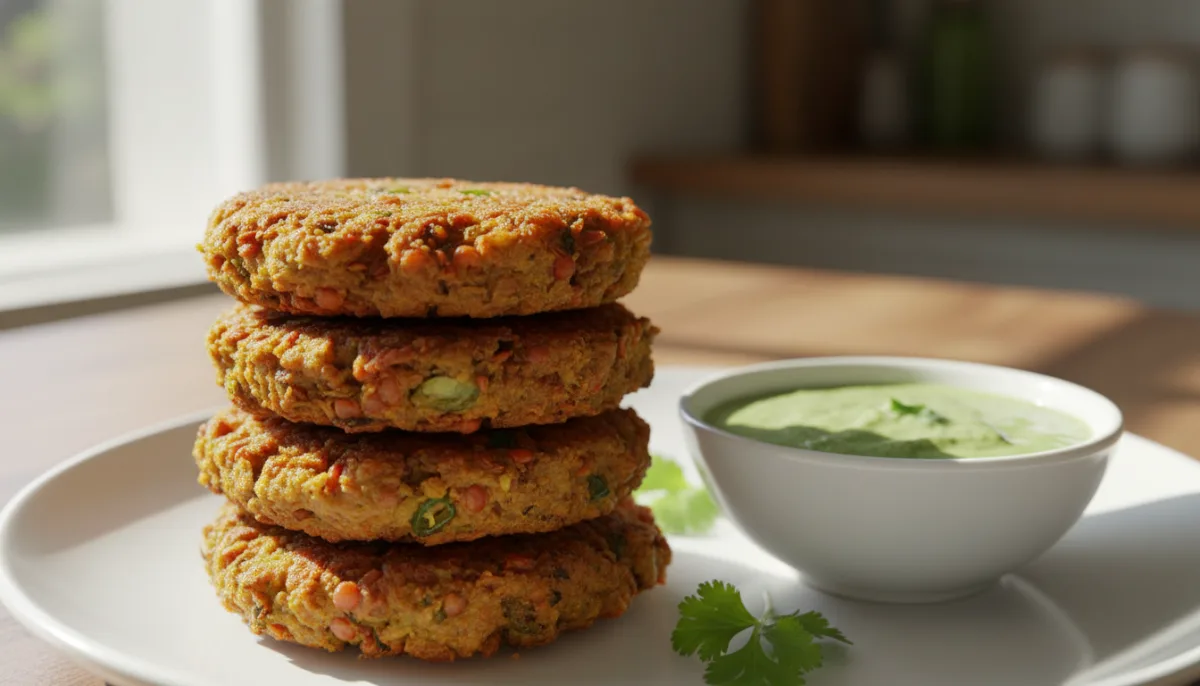
- Warm Dishes: Excellent in hearty stews, casseroles, or as a base for vegetarian burgers where texture is desired.
- Cooking Tip: Avoid overcooking to maintain their desirable firm texture.
Brown Lentils: The Everyday All-Rounder
Brown lentils are the most common variety found in many grocery stores. They are a versatile middle-ground between red and green lentils, offering a good balance of flavor and texture. They tend to hold their shape better than red lentils but are not as firm as green lentils.
- Characteristics: Mild, earthy flavor; cook in about 20-30 minutes; soften but generally retain their shape.
- Best For:
- Soups and Stews: A classic choice for a comforting lentil soup, providing body and substance.
- Meat Substitutes: Their texture makes them suitable for vegetarian meatloaf or burger patties.
- Side Dishes: Can be served simply seasoned as a nutritious side.
- Cooking Tip: They are very forgiving and absorb flavors well, making them a great base for experimenting with different spices.
Black Lentils (Beluga Lentils): The Gourmet Gem
Often called Beluga lentils due to their resemblance to caviar, these small, shiny black lentils are perhaps the most elegant of the bunch. They boast a rich, earthy flavor and maintain their shape exceptionally well, even after cooking.
- Characteristics: Rich, earthy, slightly nutty flavor; hold their shape very well; cook in about 20-25 minutes.
- Best For:
- Gourmet Salads: Their striking color and firm texture make them a beautiful addition to upscale salads.
- Side Dishes: Excellent as a sophisticated side to fish or poultry.
- Grain Bowls: Add a pop of color and protein to grain bowls.
- Cooking Tip: Their firm texture makes them less suitable for dishes where you want the lentils to break down.
General Cooking Guidelines for Lentils
While specific cooking times vary by type, a general ratio for cooking lentils is 1 part lentils to 2-3 parts liquid. Always rinse lentils thoroughly before cooking to remove any dust or debris. You can cook them on the stovetop, in a slow cooker, or even a pressure cooker for faster results.
Basic Stovetop Method:
- Rinse lentils under cold water.
- Combine lentils and liquid (water or broth) in a pot.
- Bring to a boil, then reduce heat to a simmer.
- Cover and cook until tender, checking periodically.
- Drain any excess liquid if desired, or let it absorb.
Embracing the Lentil in Your Kitchen
The world of lentils is far more diverse than many realize. By understanding the unique qualities of each variety, you can unlock a new realm of culinary possibilities. Whether you're aiming for a creamy, comforting soup, a vibrant, textured salad, or a hearty main dish, there's a lentil perfectly suited to your needs. Experiment with different types, explore new recipes, and discover the incredible versatility these humble legumes bring to the table.
Frequently Asked Questions About Lentils
Q: Do I need to soak lentils before cooking?
A: No, unlike many other legumes, lentils do not require pre-soaking. A thorough rinse under cold water is usually sufficient before cooking.
Q: What's the difference between French Green Lentils and regular Green Lentils?
A: True French Green Lentils, often called Puy lentils, are a specific variety grown in the Le Puy region of France. They are known for their distinctive mottled green color, peppery flavor, and ability to hold their shape exceptionally well. Other green lentils are similar but may vary slightly in flavor and texture.
Q: Can I freeze cooked lentils?
A: Yes, cooked lentils freeze very well. Allow them to cool completely, then store them in an airtight container or freezer bag for up to 3 months. Thaw them in the refrigerator or reheat directly from frozen in a pot or microwave.
Q: Are lentils gluten-free?
A: Yes, lentils are naturally gluten-free. However, if you have a severe gluten allergy or celiac disease, always check the packaging to ensure they haven't been processed in a facility that also handles gluten-containing grains, which could lead to cross-contamination.