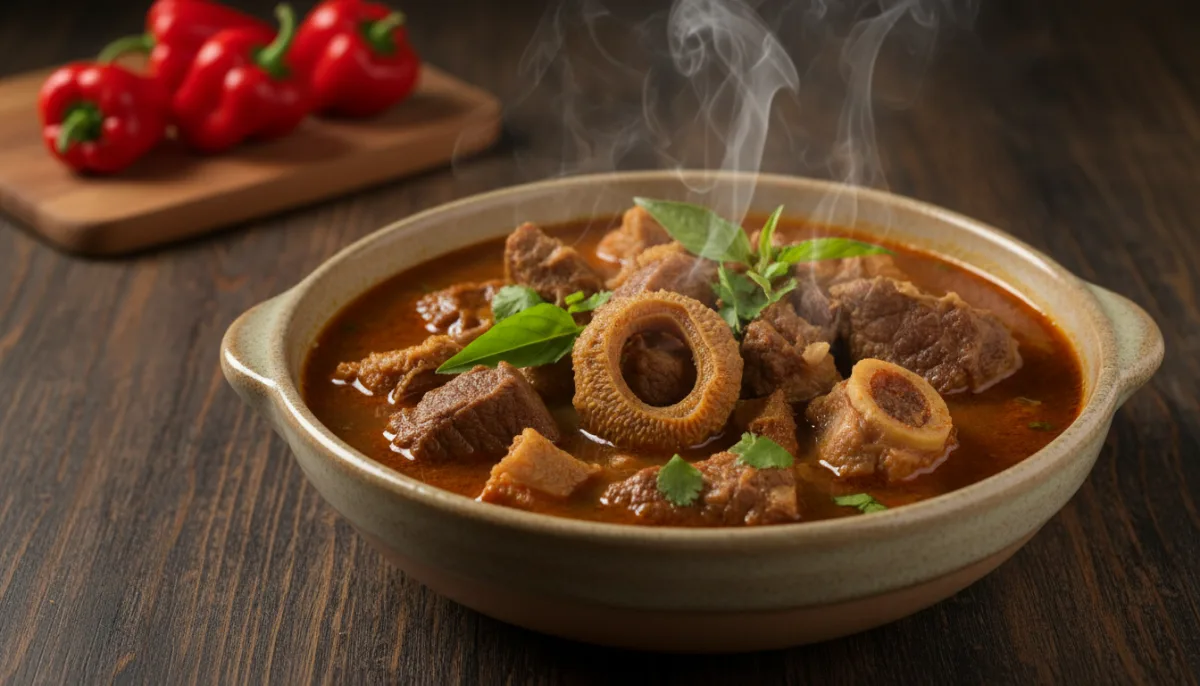


Embracing the Unconventional: Why Cook with Organ Meats? For many home cooks, the idea of preparing organ meats, often referred to as offal, might seem daunting. Yet, these often-overlooked cuts offer a remarkable combination of intense flavor, unique textures, and an impressive nutritional profile. Far from being mere scraps, o…
Embracing the Unconventional: Why Cook with Organ Meats?
For many home cooks, the idea of preparing organ meats, often referred to as offal, might seem daunting. Yet, these often-overlooked cuts offer a remarkable combination of intense flavor, unique textures, and an impressive nutritional profile. Far from being mere scraps, organs like liver, heart, and kidneys have been prized in cuisines worldwide for centuries. If you're an adventurous cook looking to expand your culinary horizons and boost your nutrient intake, stepping into the world of offal is a rewarding journey.
Beyond their culinary appeal, organ meats are nutritional powerhouses. They are typically rich in essential vitamins and minerals that are less abundant in muscle meats. Think iron, B vitamins (especially B12 and folate), vitamin A, and important trace minerals like zinc and selenium. Incorporating them into your diet can be a delicious way to support overall health and vitality.
Getting Started: Essential Tips for Offal Newcomers
The key to successful offal cooking lies in proper preparation and understanding the unique characteristics of each organ. Don't be intimidated; with a few simple techniques, you'll be creating delicious dishes in no time.
Sourcing and Freshness
- Quality Matters: Always seek out the freshest organ meats possible. Look for vibrant colors, a clean smell, and firm texture.
- Reputable Sources: Purchase from trusted butchers or farmers' markets. They can often provide insights into the animal's diet and health, which impacts flavor.
- Organic/Pasture-Raised: If possible, opt for organic or pasture-raised options, especially for liver, as these animals tend to have healthier organs.
Preparation Basics
- Rinsing: Most organ meats benefit from a thorough rinse under cold water.
- Trimming: Remove any tough membranes, sinews, or excess fat. This is crucial for improving texture and flavor.
- Soaking (Optional but Recommended): For some organs, especially liver and kidneys, soaking in milk, buttermilk, or salted water for 30 minutes to a few hours can help mellow their strong flavors and tenderize them. Pat dry thoroughly before cooking.
Spotlight on Popular Offal: Liver, Heart, and Kidneys
1. Liver: The Nutrient Champion
Liver, particularly beef or chicken liver, is perhaps the most well-known and nutritionally dense organ meat. It has a distinct, rich flavor and a tender, almost creamy texture when cooked correctly.
Cooking Tips for Liver:
- Don't Overcook: This is the golden rule for liver. Overcooked liver becomes tough and grainy. Aim for medium-rare to medium.
- Classic Pairings: Onions and bacon are classic companions that complement liver's richness beautifully.
- Flavor Masking: If the flavor is too strong for your palate initially, try incorporating it into pâtés, terrines, or finely mincing it into ground meat dishes.
Simple Recipe Idea: Sautéed Chicken Livers with Onions
- Rinse chicken livers and pat dry. Trim any connective tissue.
- Slice one onion thinly.
- Heat a tablespoon of butter or olive oil in a pan over medium-high heat. Sauté onions until softened and lightly caramelized. Remove from pan.
- Add another tablespoon of fat to the pan. Season livers with salt and pepper.
- Cook livers for 2-3 minutes per side, until browned on the outside and still slightly pink in the center.
- Return onions to the pan, toss with livers, and serve immediately.
2. Heart: A Lean and Meaty Delight
Often described as tasting like a lean, robust steak, heart (beef, lamb, or chicken) is a fantastic entry point into offal. It's a muscle, so its texture is familiar, and its flavor is less intense than liver or kidneys.
Cooking Tips for Heart:
- Trim Thoroughly: Remove any tough arteries, veins, and fatty deposits.
- Slice Thinly: For quick cooking, slice heart thinly against the grain.
- Marinating: A marinade can add flavor and help tenderize tougher cuts of heart.
Simple Recipe Idea: Pan-Seared Beef Heart Strips
- Trim a beef heart thoroughly and slice it into thin strips (about 1/4 inch thick).
- Marinate strips for 30 minutes in a mixture of olive oil, soy sauce, minced garlic, and a splash of vinegar.
- Heat a cast-iron skillet or heavy-bottomed pan over high heat until smoking.
- Sear heart strips in batches for 1-2 minutes per side until nicely browned and cooked to your desired doneness (they cook quickly!).
- Season with salt and pepper and serve with roasted vegetables or a fresh salad.
3. Kidneys: The Distinctive Delicacy
Kidneys, particularly lamb or veal kidneys, have a more pronounced, almost gamey flavor and a unique, firm texture. They are a true delicacy in many European cuisines.
Cooking Tips for Kidneys:
- Soak is Key: Soaking kidneys in milk or salted water for at least 30 minutes (or up to 2 hours, changing the liquid once) is highly recommended to mellow their strong flavor.
- Remove Core: Carefully cut out the white core and any tough membranes from the center of the kidney.
- Quick Cooking: Like liver, kidneys can become tough if overcooked. Cook quickly over high heat.
Simple Recipe Idea: Sautéed Lamb Kidneys with Mustard Sauce
- Soak lamb kidneys (halved and cored) in milk for 30-60 minutes. Drain and pat very dry.
- Heat butter in a pan over medium-high heat.
- Sauté kidneys for 2-3 minutes per side until browned and cooked through but still tender. Remove from pan.
- Deglaze the pan with a splash of white wine or broth. Stir in a teaspoon of Dijon mustard and a tablespoon of cream (optional).
- Return kidneys to the pan, toss to coat, and serve immediately with crusty bread.
Overcoming Hesitations: A Mindset Shift
The biggest hurdle for many is often psychological. Remember that offal is simply another part of the animal, offering different flavors and nutrients. Start with small portions, experiment with different seasonings, and don't be afraid to try new things. You might just discover a new favorite!
Frequently Asked Questions About Cooking Offal
Q: Are organ meats safe to eat?
A: Yes, absolutely. When sourced from healthy animals and prepared correctly, organ meats are perfectly safe and highly nutritious. Just like any meat, proper handling and cooking temperatures are important.
Q: What if I don't like the strong taste?
A: Start with milder options like chicken liver or beef heart. Soaking in milk or buttermilk can significantly reduce strong flavors. Incorporating them into dishes with other strong flavors, like curries or stews, can also help. Don't be afraid to experiment with spices and herbs.
Q: Can I freeze organ meats?
A: Yes, most organ meats can be frozen. Wrap them tightly in plastic wrap or freezer paper and place them in an airtight container or freezer bag. They are best used within 2-3 months for optimal quality.
Q: What are some other less common organ meats I could try?
A: Beyond liver, heart, and kidneys, you might explore tongue (often braised until tender), gizzards (tough but flavorful, great for slow cooking), or sweetbreads (thymus gland, delicate and creamy). Each offers a unique culinary experience.