
Introduction: The Magic of the Maillard Reaction There's a distinct pleasure in biting into a perfectly seared piece of food – that satisfying crunch, followed by a burst of rich, complex flavor. This isn't just about cooking; it's about chemistry, specifically the Maillard reaction. This fascinating process, named after French …
Introduction: The Magic of the Maillard Reaction
There's a distinct pleasure in biting into a perfectly seared piece of food – that satisfying crunch, followed by a burst of rich, complex flavor. This isn't just about cooking; it's about chemistry, specifically the Maillard reaction. This fascinating process, named after French chemist Louis-Camille Maillard, occurs when amino acids and reducing sugars in food react under heat, creating hundreds of new flavor compounds and that desirable brown crust. It's what transforms a pale piece of meat or a raw vegetable into something deeply savory and visually appealing. Mastering the sear means understanding how to harness this reaction effectively, ensuring a flavorful exterior without sacrificing the tender interior.
Understanding the Maillard Reaction and Its Requirements
For the Maillard reaction to occur, three primary conditions must be met:
- Heat: The reaction typically begins around 285°F (140°C) and intensifies as temperatures rise. This is why a hot pan is crucial.
- Moisture Control: Water boils at 212°F (100°C). As long as there's significant surface moisture, the energy from the pan will be spent evaporating water rather than browning the food. A dry surface is paramount for effective searing.
- Proteins and Sugars: These are the building blocks for the reaction. Most foods contain them in varying degrees, making the Maillard reaction applicable to a wide range of ingredients.
Our goal is to achieve this reaction quickly and efficiently, creating a robust crust before the interior overcooks.
The Foundation: Pan Temperature and Oil Selection
Achieving Optimal Pan Temperature
A common mistake is not heating the pan sufficiently. A cold or lukewarm pan will cause food to stick and steam, preventing browning. Here’s how to get it right:
- Preheat Thoroughly: Place your pan (cast iron or stainless steel are excellent choices) over medium-high to high heat for several minutes.
- The Water Test (for non-stick pans): A drop of water should sizzle and evaporate almost instantly.
- The Oil Shimmer Test (for all pans): Add your chosen oil. When it begins to shimmer and just barely smoke, it's ready. This indicates it has reached its smoke point, and the pan is hot enough.
Remember, consistency is key. A pan that's too hot can burn the exterior before the interior cooks, while one that's not hot enough will lead to a pale, steamed result.
Choosing the Right Oil
The best oils for searing have a high smoke point, meaning they can withstand high temperatures without breaking down and imparting off-flavors. Avoid extra virgin olive oil for high-heat searing, as its smoke point is too low.
- Grapeseed Oil: Neutral flavor, high smoke point (around 420°F/215°C).
- Canola Oil: Neutral, widely available, high smoke point (around 400°F/204°C).
- Refined Avocado Oil: Very high smoke point (around 520°F/270°C), neutral flavor.
- Vegetable Oil: A blend, generally suitable for high heat.
- Clarified Butter (Ghee): Adds a rich, nutty flavor and has a higher smoke point than regular butter (around 485°F/250°C). Regular butter burns easily due to milk solids.
Use just enough oil to lightly coat the bottom of the pan. Too much oil can deep-fry rather than sear, and too little can cause sticking and uneven browning.
Techniques for Various Proteins
Steaks and Chops
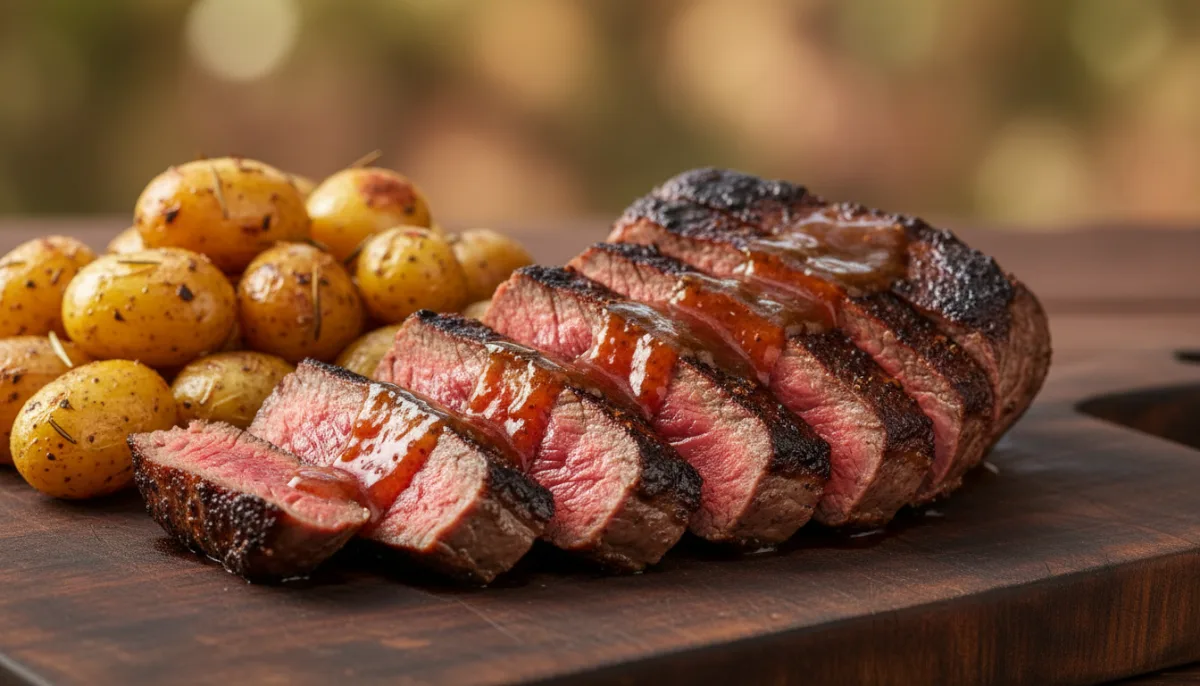
Achieving a deep, dark crust on a steak is a hallmark of good cooking.
- Pat Dry: This is perhaps the most critical step. Use paper towels to thoroughly dry the surface of the meat. Any moisture will hinder browning.
- Season Generously: Salt and pepper are essential. Apply them just before searing.
- Hot Pan, Thin Layer of Oil: Heat your pan until shimmering. Add a thin layer of high smoke point oil.
- Sear Without Moving: Place the steak in the hot pan. Resist the urge to move it for the first 2-4 minutes, depending on thickness and desired crust. This allows the Maillard reaction to build.
- Flip and Repeat: Once a deep brown crust forms, flip the steak. You can add a knob of butter, garlic, and herbs (like rosemary or thyme) to the pan during the second side sear, basting the steak with the aromatic butter.
- Finish Cooking: For thicker cuts, you might transfer the pan to a preheated oven (around 375°F/190°C) to finish cooking to your desired doneness.
- Rest: Always rest your steak for 5-10 minutes after cooking to allow juices to redistribute.
Chicken and Fish
These proteins require a slightly gentler approach due to their delicate nature.
- Chicken (Skin-on Thighs/Breasts): Start skin-side down in a hot pan with oil. The fat in the skin will render, creating an incredibly crispy crust. Cook until golden brown and then flip. For thicker pieces, finish in the oven.
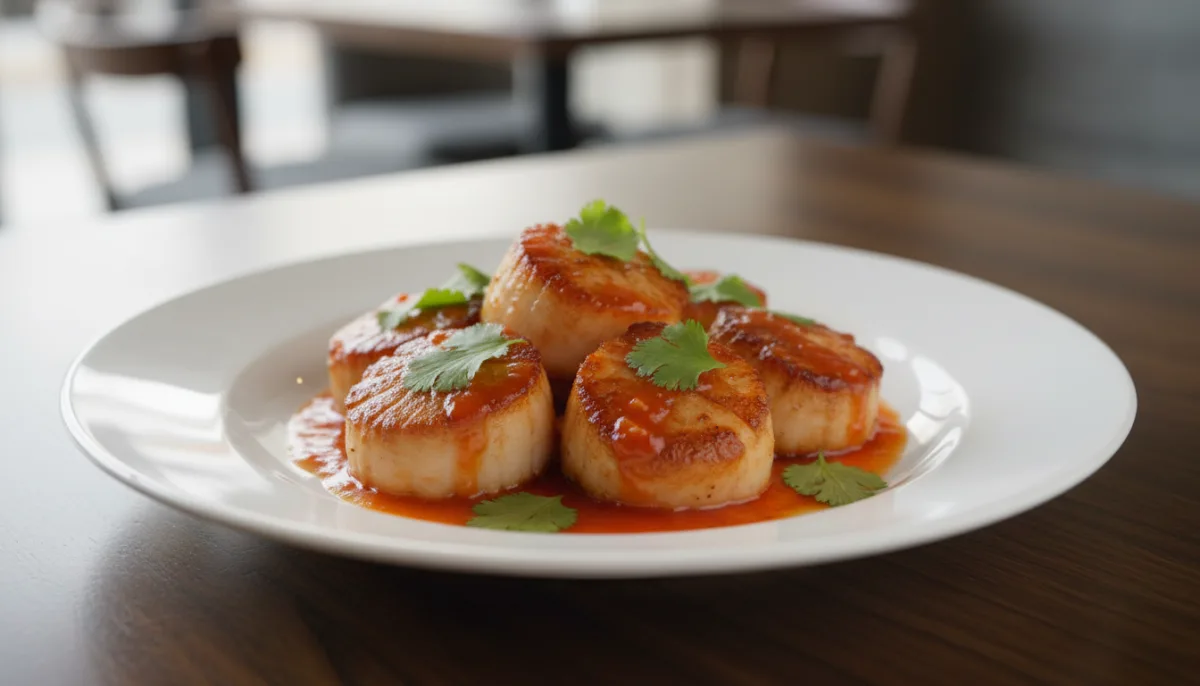
- Fish (Skin-on Fillets): Ensure the skin is very dry. Sear skin-side down in a hot pan with oil. Press gently with a spatula for the first minute to ensure even contact. Cook mostly on the skin side until it's crispy and the flesh is opaque about two-thirds of the way up. Flip briefly to finish.
- Fish (Skinless Fillets): Sear quickly on both sides until golden and cooked through. Be careful not to overcook.
Tofu and Vegetables
The Maillard reaction isn't just for meat!
- Tofu: Press extra-firm tofu thoroughly to remove as much water as possible. Cut into desired shapes, then toss with a little oil and cornstarch for an extra crispy exterior. Sear in a hot pan until golden brown and firm on all sides.
- Root Vegetables (Potatoes, Carrots, Parsnips): Cut into even pieces. Toss with oil, salt, and pepper. Sear in a hot pan until deeply browned and tender. You might need to add a splash of water and cover briefly to steam them through if they're particularly dense, then uncover to re-crisp.
- Cruciferous Vegetables (Broccoli, Cauliflower, Brussels Sprouts): Cut into florets or halves. Sear cut-side down in a hot pan with oil until deeply caramelized. A little char adds wonderful flavor.
Common Pitfalls to Avoid
- Overcrowding the Pan: This is a major culprit for poor searing. When you add too much food, the pan temperature drops significantly, and the food releases moisture, leading to steaming rather than browning. Cook in batches if necessary.
- Moving Food Too Soon: Patience is a virtue when searing. Let the crust develop undisturbed.
- Insufficient Drying: As mentioned, moisture is the enemy of a good sear.
- Not Enough Fat: While you don't want to deep-fry, a thin layer of oil is essential for heat transfer and preventing sticking.
Conclusion: Practice Makes Perfect
Mastering the perfect sear is a skill that improves with practice. Pay attention to the sounds and smells coming from your pan. Observe the color of the crust. With each attempt, you'll gain a better understanding of how your equipment and ingredients behave. Soon, you'll be consistently producing dishes with that coveted restaurant-quality crust, elevating your home cooking to new heights of flavor and texture.
Frequently Asked Questions
Q: Can I sear in a non-stick pan?
A: While technically possible, non-stick pans are generally not ideal for high-heat searing. Their coatings can degrade at the temperatures required for a good Maillard reaction, and they often don't retain heat as well as cast iron or stainless steel. For best results, use cast iron or stainless steel.
Q: How do I know when my steak is done if I'm focusing on the sear?
A: For thicker cuts, a meat thermometer is your best friend. Insert it into the thickest part of the meat, avoiding bone. For thinner cuts, you can learn to judge by touch, but a thermometer provides accuracy. Remember to account for carryover cooking during resting.
Q: My food is sticking to the pan. What am I doing wrong?
A: Sticking usually indicates one of two things: the pan wasn't hot enough when the food was added, or you tried to move the food too soon. A proper crust will naturally release from a well-heated pan. Ensure your pan is shimmering hot and give the food time to develop its crust before attempting to flip.