
Introduction: The Unsung Hero of the Dinner Plate Imagine a perfectly seared steak, a tender roasted chicken breast, or even a simple sautéed mushroom dish. Good on their own, right? Now, imagine them bathed in a glossy, deeply flavored sauce, born directly from the very pan they were cooked in. That, my friends, is the magic of…
Introduction: The Unsung Hero of the Dinner Plate
Imagine a perfectly seared steak, a tender roasted chicken breast, or even a simple sautéed mushroom dish. Good on their own, right? Now, imagine them bathed in a glossy, deeply flavored sauce, born directly from the very pan they were cooked in. That, my friends, is the magic of the pan sauce – an often-overlooked culinary technique that can elevate a humble weeknight dinner to restaurant-quality status with minimal extra effort. It's about capturing the essence of your main ingredient and transforming it into a liquid gold that ties the entire meal together.
This guide will demystify the art of the pan sauce, breaking down the process into simple, actionable steps. You'll learn how to harness those delicious browned bits at the bottom of your pan, understand the role of various liquids, master thickening techniques, and discover how to layer flavors for a truly unforgettable gravy. Get ready to turn your everyday cooking into something truly special.
The Foundation: Understanding Pan Drippings and Fond
The journey to a great pan sauce begins with what's left behind in the pan after cooking your protein or vegetables. These are the pan drippings and, more importantly, the 'fond.' Fond refers to the caramelized, browned bits that stick to the bottom of the pan. These aren't burnt; they're concentrated flavor powerhouses, packed with umami and sweetness. The key to a successful pan sauce is to release and incorporate these flavors.
Deglazing: Unlocking the Flavor
Deglazing is the crucial first step in making a pan sauce. It's the process of adding a liquid to a hot pan to dissolve the fond and incorporate it into your sauce. Here's how to do it effectively:
- Remove the Main Ingredient: Once your protein or vegetables are cooked, remove them from the pan and set them aside. Leave any rendered fat in the pan, as it contributes to flavor.
- Reduce Heat: Lower the heat to medium-low to prevent the fond from burning once the liquid is added.
- Add Liquid: Pour in your chosen deglazing liquid. Common choices include:
- Wine (Red or White): Adds acidity and complexity. Red wine pairs well with beef and lamb, while white wine is excellent for chicken, pork, and seafood.
- Broth/Stock: Chicken, beef, or vegetable broth provides a savory base. Choose a good quality, low-sodium option.
- Beer: Can add unique malty or hoppy notes, especially good with pork or sausages.
- Vermouth: A fortified wine that offers a nuanced, aromatic flavor.
- Water: A simple option if other liquids aren't available, but less flavorful.
- Scrape and Stir: Use a wooden spoon or a flat-edged spatula to vigorously scrape the bottom of the pan, dissolving all the browned bits into the liquid. This is where the magic happens!
- Reduce: Allow the liquid to simmer and reduce by about half. This concentrates the flavors and cooks off any raw alcohol taste.
Building Flavor: Aromatics and Enhancements
Once deglazed, your sauce has a good foundation. Now it's time to build layers of flavor.
Aromatics
Before or after deglazing, you can sauté finely minced aromatics in the pan drippings. This adds depth and fragrance.
- Shallots or Garlic: Classic choices that add a sweet, pungent base. Sauté until fragrant and softened.
- Onions: Can be used, but often require longer cooking times.
- Herbs: Fresh thyme, rosemary, or sage can be added during the deglazing or simmering stage.
Flavor Enhancements
- Mustard: A teaspoon of Dijon mustard can add a tangy, piquant note and help emulsify the sauce.
- Tomato Paste: A small amount (half a teaspoon) can add umami and a subtle sweetness, especially good with red meat sauces.
- Worcestershire Sauce or Soy Sauce: A dash can boost umami.
- Cream or Butter: Swirling in a knob of cold butter (monté au beurre) at the very end adds richness, gloss, and helps thicken slightly. A splash of heavy cream can create a luxurious, velvety texture.
- Fresh Herbs: Stir in chopped fresh parsley, chives, or tarragon just before serving for a burst of fresh flavor and color.
Thickening Your Pan Sauce
A good pan sauce should have a pleasant consistency – not watery, but not overly thick or pasty. There are several ways to achieve this:
Reduction
The simplest and often best method. As the liquid simmers, water evaporates, concentrating flavors and naturally thickening the sauce. This works well for lighter sauces.
Starch Slurry
For a quicker or thicker sauce, a starch slurry is effective.
- Cornstarch or Arrowroot: Mix 1 teaspoon of cornstarch (or 1/2 teaspoon arrowroot) with 1 tablespoon of cold water or broth until smooth.
- Whisk In: Gradually whisk the slurry into your simmering sauce.
- Simmer: Continue to simmer for 1-2 minutes, whisking constantly, until the sauce thickens to your desired consistency. Be careful not to add too much; a little goes a long way.
Roux
A roux (equal parts fat and flour cooked together) provides a more robust thickening and a slightly nutty flavor. This is often used for heartier gravies.
- Make a Roux: After removing your main ingredient, if there isn't enough fat in the pan, add a tablespoon of butter or oil. Once melted, sprinkle in a tablespoon of all-purpose flour.
- Cook: Cook, stirring constantly, for 1-2 minutes until a paste forms and it smells slightly nutty (a 'blonde' roux).
- Whisk In Liquid: Gradually whisk in your deglazing liquid (broth, wine, etc.) until smooth.
- Simmer: Simmer, whisking, until thickened.
Finishing Touches and Serving
Once your sauce is thickened and flavored, taste it and adjust seasonings. A pinch of salt and a grind of black pepper can make a world of difference. A tiny splash of vinegar or lemon juice at the end can brighten the flavors. Strain the sauce through a fine-mesh sieve if you prefer a perfectly smooth consistency, though many enjoy the rustic charm of a sauce with small bits of aromatics.
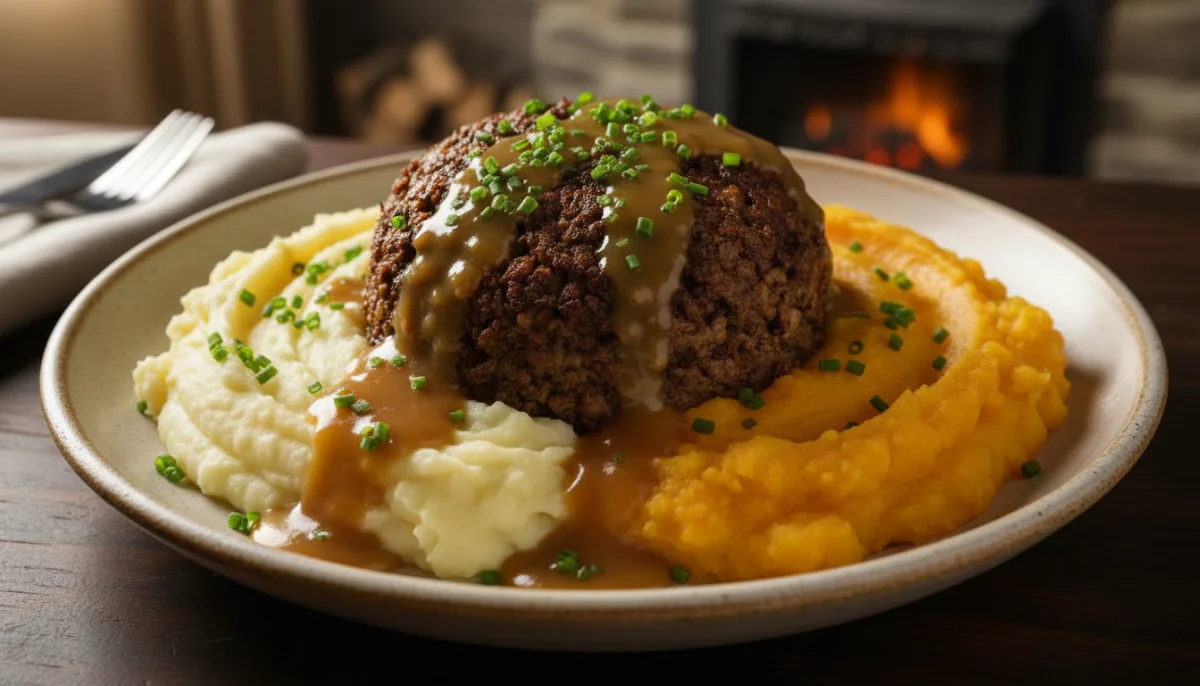
Serve your pan sauce immediately, spooned generously over your cooked protein, vegetables, or even mashed potatoes. It's the final flourish that transforms a good meal into a truly memorable one.
Conclusion: Your Culinary Secret Weapon
The pan sauce is more than just a condiment; it's a testament to resourceful cooking and a celebration of flavor. By mastering deglazing, understanding thickening agents, and experimenting with aromatics and enhancements, you unlock a powerful tool in your culinary arsenal. No longer will those delicious pan drippings go to waste. Instead, they'll become the foundation for restaurant-quality gravies that elevate every weeknight dinner into a special occasion. So, next time you cook, don't just clean the pan – make a sauce!
Frequently Asked Questions About Pan Sauces
Q: My pan sauce tastes bitter. What went wrong?
A: Bitterness often comes from burnt fond. Ensure you reduce the heat before deglazing and scrape only the browned, not blackened, bits. Using too much red wine that isn't properly reduced can also contribute to bitterness; ensure it simmers long enough to cook off the alcohol.
Q: Can I make a pan sauce without alcohol?
A: Absolutely! Broth (chicken, beef, or vegetable) is an excellent non-alcoholic alternative for deglazing. You can also use water, but broth will provide more flavor.
Q: How do I prevent my pan sauce from becoming lumpy when using a starch slurry?
A: The key is to mix the starch (cornstarch or arrowroot) with cold liquid first to create a smooth slurry before adding it to the hot sauce. Whisk it in gradually and continuously while the sauce simmers to ensure even distribution and prevent lumps.
Q: What kind of pan is best for making pan sauces?
A: A heavy-bottomed stainless steel or cast iron pan is ideal. These pans conduct heat evenly and develop a good fond. Non-stick pans are generally not recommended for pan sauces because they prevent the fond from forming effectively.