

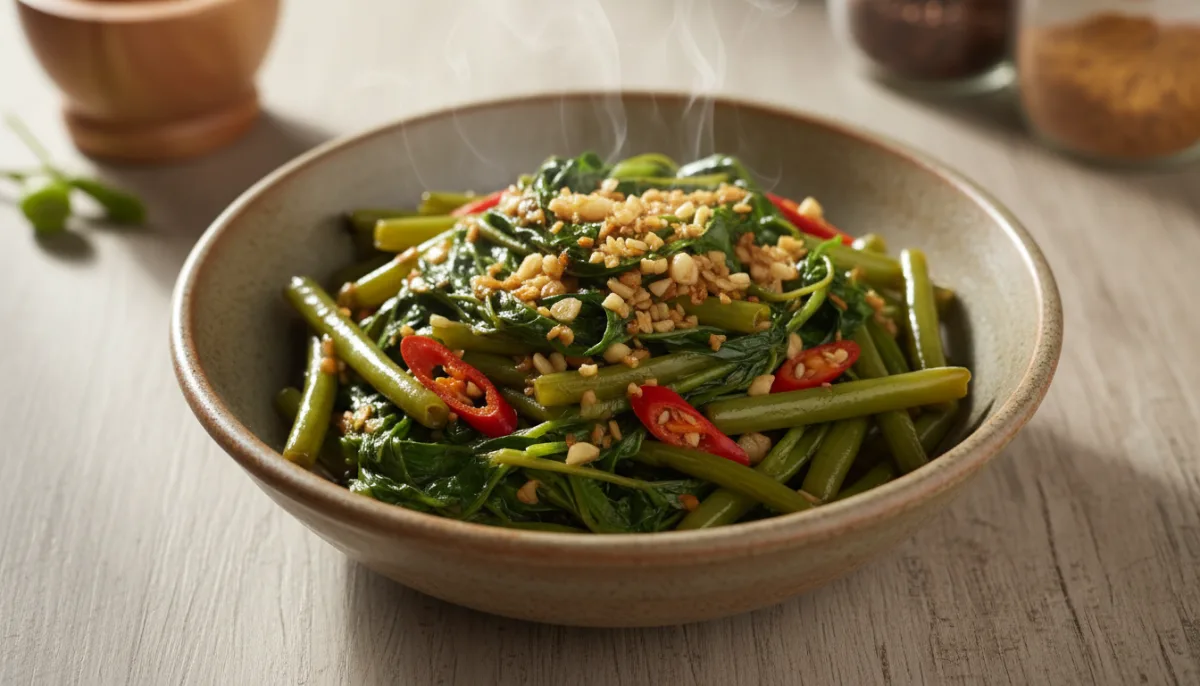
Introduction: The Magic of FermentationFermentation, an ancient practice of food preservation, is experiencing a well-deserved resurgence. Beyond extending shelf life, fermented foods offer a unique depth of flavor and a host of potential health benefits. By harnessing the power of beneficial microorganisms, you can transform si…
Introduction: The Magic of Fermentation
Fermentation, an ancient practice of food preservation, is experiencing a well-deserved resurgence. Beyond extending shelf life, fermented foods offer a unique depth of flavor and a host of potential health benefits. By harnessing the power of beneficial microorganisms, you can transform simple ingredients into culinary masterpieces right in your own kitchen. This guide will walk you through the straightforward process of making two popular fermented delights: spicy kimchi and classic sauerkraut.
Why Ferment? The Benefits Beyond Taste
The appeal of fermented foods goes beyond their distinctive taste. The fermentation process introduces beneficial bacteria, often referred to as probiotics, into your diet. These microorganisms can contribute to a balanced gut microbiome, which is increasingly linked to overall well-being. Furthermore, fermentation can enhance the bioavailability of nutrients in food and even create new ones. It's a natural, low-energy method of food preservation that reduces waste and adds incredible value to your meals.
Getting Started: Essential Tools and Ingredients
You don't need a specialized laboratory to begin fermenting. Most of what you need you likely already have. The key is cleanliness and patience.
Basic Fermentation Tools:
- Glass Jars: Wide-mouth jars (quart or half-gallon size are ideal) are perfect. Ensure they are thoroughly cleaned and sterilized.
- Airlock Lids (Optional but Recommended): These allow gases to escape without letting air in, reducing the risk of mold. Standard lids can work, but you'll need to 'burp' your jars daily.
- Fermentation Weights: Glass weights or even a clean, small jar filled with water can help keep vegetables submerged under the brine, which is crucial for successful fermentation.
- Large Mixing Bowl: For combining ingredients.
- Sharp Knife and Cutting Board: For preparing vegetables.
General Ingredients for Fermentation:
- Fresh Vegetables: Choose high-quality, organic produce when possible.
- Non-Chlorinated Water: Chlorine can inhibit beneficial bacteria. Filtered or distilled water is best.
- Salt: Non-iodized salt (like sea salt or pickling salt) is essential. Iodine can interfere with fermentation.
Recipe 1: Tangy Homemade Sauerkraut
Sauerkraut is perhaps the simplest fermented food to make, requiring just two main ingredients: cabbage and salt. Its crisp texture and tangy flavor make it a versatile condiment.
Ingredients for Sauerkraut:
- 1 medium head of green cabbage (about 2-3 pounds)
- 2 tablespoons non-iodized salt (fine grain is easier to dissolve)
- Optional additions: 1 teaspoon caraway seeds, a few juniper berries, or a grated carrot for color.
Step-by-Step Sauerkraut Instructions:
- Prepare the Cabbage: Remove any bruised or discolored outer leaves. Reserve one or two large, intact outer leaves. Cut the cabbage into quarters and remove the core. Thinly slice or shred the cabbage.
- Salt the Cabbage: Place the shredded cabbage in a large mixing bowl. Sprinkle the salt over the cabbage.
- Massage and Pound: Begin massaging the salt into the cabbage with clean hands. Squeeze and pound the cabbage vigorously for 5-10 minutes. The salt will draw water out of the cabbage, creating a brine. Continue until a significant amount of liquid has accumulated at the bottom of the bowl and the cabbage is limp.
- Pack the Jar: Tightly pack the cabbage and its brine into your clean glass jar. Use your fist or a blunt tool to press down firmly, eliminating air pockets.
- Submerge the Cabbage: Ensure all the cabbage is submerged under the brine. If there isn't enough liquid to cover, you can add a small amount of non-chlorinated water to top it off. Place a reserved outer cabbage leaf on top, then a fermentation weight to keep everything submerged.
- Seal and Ferment: Secure the lid (with an airlock if using, or loosely if not). Place the jar in a cool, dark place (ideally 60-75°F / 15-24°C).
- Monitor and 'Burp': If not using an airlock, 'burp' the jar daily by briefly opening the lid to release built-up gases. You'll see bubbles forming, which is a sign of active fermentation.
- Taste and Store: Sauerkraut is typically ready in 1-4 weeks, depending on temperature and desired tanginess. Begin tasting after a week. Once it reaches your preferred flavor, transfer it to the refrigerator, where fermentation will slow down significantly. It can last for several months.
Recipe 2: Vibrant Homemade Kimchi
Kimchi, a staple of Korean cuisine, is a spicy, fermented vegetable dish, most commonly made with napa cabbage. Its complex flavors are a delightful addition to many meals.
Ingredients for Kimchi:
- 1 medium head of napa cabbage (about 2-3 pounds)
- ¼ cup non-iodized salt
- Non-chlorinated water for brining
- 1 cup daikon radish, julienned
- 4-5 green onions, cut into 1-inch pieces
- 2-3 cloves garlic, minced
- 1-inch piece fresh ginger, grated
- 1-2 tablespoons gochugaru (Korean chili flakes) – adjust to your spice preference
- 1 tablespoon fish sauce (optional, for authentic flavor)
- 1 teaspoon sugar (or a small piece of apple/pear for sweetness)
Step-by-Step Kimchi Instructions:
- Prepare the Cabbage: Cut the napa cabbage lengthwise into quarters, then chop into 1-2 inch pieces. Place in a large bowl.
- Brine the Cabbage: Sprinkle the salt over the cabbage. Pour enough non-chlorinated water over the cabbage to cover it completely. Let it sit for 1-2 hours, stirring occasionally, until the cabbage is softened and pliable.
- Rinse and Drain: Drain the cabbage thoroughly. Rinse it 2-3 times under cold running water to remove excess salt. Squeeze out as much water as possible. This step is crucial for the final saltiness.
- Prepare the Kimchi Paste: In a separate bowl, combine the minced garlic, grated ginger, gochugaru, fish sauce (if using), and sugar. Mix well to form a paste.
- Combine Ingredients: Add the rinsed cabbage, julienned daikon radish, and green onions to the bowl with the kimchi paste. Using gloved hands (the gochugaru can stain and irritate skin), thoroughly mix all ingredients, ensuring the paste coats every piece of vegetable.
- Pack the Jar: Tightly pack the kimchi mixture into your clean glass jar, pressing down firmly to remove air pockets. Ensure the vegetables are submerged in any liquid that forms. Leave about 1-2 inches of headspace.
- Seal and Ferment: Secure the lid (with an airlock if using, or loosely if not). Place the jar in a cool, dark place.
- Monitor and 'Burp': Fermentation for kimchi is typically faster than sauerkraut, often 2-7 days at room temperature. 'Burp' the jar daily if not using an airlock. You'll notice bubbles and a souring aroma.
- Taste and Store: Once the kimchi reaches your desired level of sourness and flavor, transfer it to the refrigerator. It will continue to ferment slowly in the cold and can last for several weeks to months.
Troubleshooting Common Fermentation Issues
Don't be discouraged if your first batch isn't perfect. Fermentation is a living process, and variations are normal.
- Mold: If you see fuzzy, colored mold (black, green, pink), discard the entire batch. This usually happens if vegetables aren't fully submerged or if there's too much air exposure.
- Kahm Yeast: A white, powdery film on the surface is usually kahm yeast, which is harmless but can impart an off-flavor. You can skim it off. It often indicates too much air exposure.
- Too Salty: This can happen if you don't rinse the cabbage enough for kimchi, or if you use too much salt for sauerkraut. Adjust salt levels in future batches.
- Not Bubbling: Fermentation might be slow due to cool temperatures. Move the jar to a slightly warmer spot. Patience is key.
Enjoying Your Homemade Ferments
Once your kimchi and sauerkraut are ready, the culinary possibilities are endless! Add sauerkraut to sandwiches, hot dogs, or serve it as a side with roasted meats. Kimchi is fantastic with rice, noodles, eggs, or as a flavorful addition to stews and soups. Experiment and discover your favorite ways to enjoy these probiotic-rich delights.
Frequently Asked Questions
Q: Is it safe to ferment at home?
A: Yes, home fermentation is very safe when proper hygiene is maintained and vegetables are kept submerged under the brine. The acidic environment created by lactic acid bacteria inhibits the growth of harmful pathogens.
Q: How long do homemade fermented foods last?
A: Once transferred to the refrigerator, homemade sauerkraut and kimchi can last for several months, sometimes even longer. The cold temperature significantly slows down the fermentation process.
Q: Can I use iodized salt?
A: It's best to avoid iodized salt for fermentation. The iodine and anti-caking agents in iodized salt can interfere with the beneficial bacteria responsible for fermentation, potentially leading to an unsuccessful batch.
Q: What if my house is too cold/warm for fermentation?
A: Temperature affects fermentation speed. Cooler temperatures (below 60°F / 15°C) will slow down fermentation, while warmer temperatures (above 75°F / 24°C) will speed it up. Aim for a consistent room temperature for best results. If it's too warm, your ferments might become too sour too quickly or develop off-flavors.