
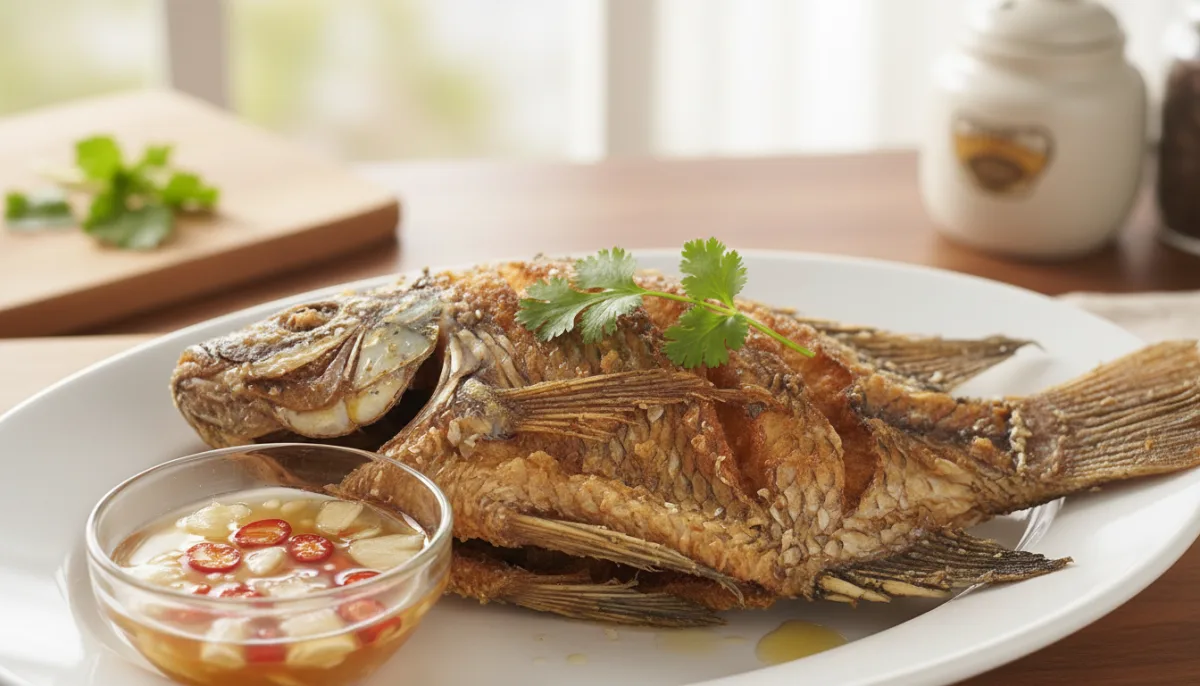
Introduction: The Quest for Perfect Pan-Fried Fish Pan-frying fish can seem like a culinary tightrope walk. On one side, the promise of golden, crispy skin and succulent, flaky flesh. On the other, the dreaded reality of fish sticking to the pan, tearing apart, or emerging soggy and unappetizing. But fear not, aspiring fish frye…
Introduction: The Quest for Perfect Pan-Fried Fish
Pan-frying fish can seem like a culinary tightrope walk. On one side, the promise of golden, crispy skin and succulent, flaky flesh. On the other, the dreaded reality of fish sticking to the pan, tearing apart, or emerging soggy and unappetizing. But fear not, aspiring fish fryers! Achieving pan-fried perfection is entirely within reach with a few key techniques and a bit of patience. This guide will demystify the process, transforming your fish-frying endeavors from a challenge into a triumph.
Choosing Your Fish Wisely
The journey to perfect pan-fried fish begins at the market. Not all fish are created equal when it comes to this cooking method. Look for fillets that are firm, fresh, and relatively uniform in thickness. Thicker fillets (around 1 inch) are often more forgiving and less prone to overcooking. Fish with naturally robust skin, such as salmon, snapper, or branzino, are excellent choices for achieving that coveted crispiness. For white fish, cod, halibut, or tilapia work well, though their skin is typically removed before cooking.
- Freshness is Key: Opt for fish that smells like the ocean, not overly fishy.
- Skin-On vs. Skin-Off: For crispy skin, choose skin-on fillets. If you prefer skinless, ensure the fillets are well-trimmed.
- Thickness Matters: Aim for fillets of similar thickness for even cooking.
Preparation: The Foundation of Success
Proper preparation is paramount. This stage sets the stage for a non-stick, crispy-skinned experience.
Drying the Fish
Moisture is the enemy of crispiness and the friend of sticking. Before seasoning, thoroughly pat your fish fillets dry with paper towels. This step cannot be overstated. Excess moisture creates steam, which prevents browning and can cause the fish to adhere to the pan.
Seasoning Simply
A simple seasoning often works best for pan-fried fish. Salt and freshly ground black pepper are usually sufficient to enhance the fish's natural flavor. You can add a light dusting of flour or cornstarch if you desire an extra-crispy coating, but it's not strictly necessary for success.
Bringing to Room Temperature (Optional, but Recommended)
Allowing your fish to sit at room temperature for 10-15 minutes before cooking can promote more even cooking. This reduces the temperature shock when the fish hits the hot pan, preventing the exterior from cooking too quickly while the interior remains cold.
The Pan and the Heat: Your Essential Tools
The right pan and the correct heat level are critical for preventing sticking and achieving that perfect sear.
Choosing the Right Pan
A heavy-bottomed, non-stick pan or a well-seasoned cast-iron skillet are your best friends here. Stainless steel can work, but it requires more careful heat management and a generous amount of fat to prevent sticking. Avoid thin, flimsy pans that heat unevenly.
The Importance of Fat
You need enough fat to create a barrier between the fish and the pan. High smoke point oils like grapeseed, canola, or avocado oil are excellent choices. Butter can be added for flavor, but it burns easily, so it's often best to combine it with a high smoke point oil or add it towards the end of cooking. Use enough oil to lightly coat the bottom of the pan, but not so much that the fish is deep-frying.
Achieving the Right Temperature
This is where many go wrong. The pan needs to be hot, but not smoking. A medium-high heat is typically ideal. You'll know it's ready when a drop of water sizzles and evaporates immediately, or when the oil shimmers slightly. If the pan isn't hot enough, the fish will stick and steam. If it's too hot, the exterior will burn before the interior cooks.
The Frying Technique: Patience and Precision
Once your fish is prepped and your pan is hot, it's time for the main event.
Placing the Fish
Carefully place the fish fillets skin-side down (if applicable) into the hot pan, away from you to avoid splattering. Do not overcrowd the pan; cook in batches if necessary. Overcrowding lowers the pan temperature and leads to steaming rather than searing.
The Golden Rule: Don't Touch It!
This is perhaps the most crucial tip for crispy skin and non-stick results. Once the fish is in the pan, resist the urge to move it for the first few minutes. Let it cook undisturbed. As the skin crisps and a crust forms, the fish will naturally release from the pan. Trying to move it too soon will cause it to tear and stick.
Monitoring Doneness
For skin-on fish, cook primarily on the skin side. This allows the skin to become beautifully crisp. You'll see the flesh turn opaque as it cooks from the bottom up. Once it's about two-thirds of the way cooked through, carefully flip the fish using a thin, wide spatula. Cook for just another minute or two on the flesh side to finish. For skinless fish, cook until golden brown on one side, then flip and cook until opaque throughout.
Knowing When It's Done
Fish is cooked when it flakes easily with a fork. The internal temperature should reach 145°F (63°C). Avoid overcooking, as this will result in dry, tough fish.
Troubleshooting Common Issues
Fish Sticking to the Pan
- Cause: Pan not hot enough, not enough oil, or fish not dry enough.
- Solution: Ensure pan is adequately preheated, use sufficient high smoke point oil, and thoroughly pat fish dry. Don't move the fish too soon.
Soggy Skin
- Cause: Too much moisture on the fish, pan not hot enough, or overcrowding.
- Solution: Dry fish meticulously, ensure pan is hot, and cook in batches.
Fish Falling Apart
- Cause: Overcooking, or trying to flip too early before a crust has formed.
- Solution: Cook to just done, and allow the fish to release naturally from the pan before flipping.
Serving Suggestions
Pan-fried fish is wonderfully versatile. A squeeze of fresh lemon juice is often all it needs. Consider serving it with a simple green salad, roasted vegetables, or a light grain like quinoa or couscous. A quick pan sauce made with white wine, butter, and herbs can elevate the dish further.
Conclusion: Confidence in Every Fillet
Mastering pan-fried fish is a rewarding skill that opens up a world of delicious possibilities. By focusing on proper preparation, understanding heat management, and exercising a little patience, you can consistently achieve that coveted crispy skin and tender, flaky flesh without the frustration of sticking. Practice makes perfect, so don't be afraid to experiment and enjoy the process!
Frequently Asked Questions
Q: Can I use frozen fish for pan-frying?
A: Yes, but it's crucial to thaw it completely in the refrigerator overnight and then pat it extremely dry before cooking. Any residual moisture will lead to sticking and a less crispy result.
Q: How do I know if my pan is hot enough?
A: A good test is to add a tiny drop of water to the pan. If it sizzles and evaporates immediately, the pan is ready. If it just sits there or slowly evaporates, it's not hot enough. Alternatively, if using oil, it should shimmer slightly but not smoke.
Q: What if my fish is very thin?
A: Thin fillets cook very quickly. Use slightly higher heat for a shorter duration to achieve a good sear without overcooking the interior. Be extra vigilant about drying them thoroughly.
Q: Should I flour the fish before frying?
A: A light dusting of flour or cornstarch can enhance crispiness and help prevent sticking, especially with delicate white fish. However, it's not strictly necessary if you follow the other steps for drying and heat management. If you do flour, shake off any excess to avoid a gummy coating.