
Introduction: Your Grill, Reimagined The sizzle of the grill, the aroma of smoke mingling with savory spices – there's something undeniably magical about outdoor cooking. For many, grilling conjures images of classic burgers and hot dogs, and while those are certainly delicious, your grill is capable of so much more. It's a vers…
Introduction: Your Grill, Reimagined
The sizzle of the grill, the aroma of smoke mingling with savory spices – there's something undeniably magical about outdoor cooking. For many, grilling conjures images of classic burgers and hot dogs, and while those are certainly delicious, your grill is capable of so much more. It's a versatile cooking tool, ready to transform a wide array of ingredients into culinary masterpieces. This guide will help you expand your grilling repertoire, moving beyond the basics to explore new flavors and techniques that will elevate your outdoor meals.
Imagine perfectly charred vegetables, flaky grilled fish, or even a surprisingly sweet grilled dessert. With a few simple adjustments and a willingness to experiment, you can unlock a world of flavor. We'll cover essential tips for temperature management, the art of marinades, and how to achieve those beautiful, flavor-enhancing char marks that signify a perfectly grilled dish.
Mastering Temperature Control: The Foundation of Great Grilling
Effective temperature control is paramount for successful grilling, especially when venturing beyond high-heat meats. Different foods require different heat levels to cook properly without burning or drying out.
Direct vs. Indirect Heat
- Direct Heat: This is where food is placed directly over the heat source. It's ideal for searing, achieving char marks, and cooking thinner, quicker-cooking items like steaks, burgers, and some vegetables.
- Indirect Heat: Food is placed on a part of the grill away from the direct heat source, with the lid closed. This method is similar to oven roasting and is perfect for larger cuts of meat, delicate fish, or anything that needs to cook through slowly without burning the exterior.
Managing Grill Zones
Whether you have a gas or charcoal grill, creating different heat zones is crucial:
- Gas Grills: Turn some burners to high and others to low or off to create distinct hot and cooler zones.
- Charcoal Grills: Pile coals on one side for direct heat and leave the other side empty for indirect cooking. You can also spread coals more thinly for medium heat.
A good grill thermometer (either built-in or an instant-read probe) is your best friend for monitoring internal temperatures and ensuring food is cooked safely and perfectly.
The Art of the Marinade: Infusing Flavor and Tenderness
Marinades do more than just add flavor; they can also tenderize and help prevent food from sticking to the grates. A balanced marinade typically includes an acid, an oil, and seasonings.
Key Marinade Components
- Acid: Lemon juice, lime juice, vinegar (balsamic, red wine, apple cider), or yogurt. Acids help break down tough fibers, tenderizing the food. Be careful not to marinate delicate items like fish or vegetables in strong acids for too long, as they can become mushy.
- Oil: Olive oil, vegetable oil, or sesame oil. Oil helps distribute fat-soluble flavors, keeps food moist, and prevents sticking.
- Seasonings: Herbs (rosemary, thyme, oregano), spices (paprika, cumin, chili powder), aromatics (garlic, onion, ginger), salt, pepper, and sweeteners (honey, maple syrup).
Marinade Tips
- Marinating Times:
- Vegetables & Fruits: 15-30 minutes
- Fish & Seafood: 15-60 minutes (acidic marinades can 'cook' delicate fish if left too long)
- Poultry: 30 minutes to 4 hours
- Red Meats: 1 hour to overnight
- Always marinate in the refrigerator.
- Discard any marinade that has come into contact with raw meat, poultry, or fish, or boil it thoroughly before using it as a sauce.
- Pat food dry before grilling to ensure better searing and char marks.
Grilling Beyond the Usual Suspects
Vibrant Grilled Vegetables
Grilling brings out the natural sweetness and adds a smoky depth to vegetables. Almost any vegetable can be grilled!
- Preparation: Cut vegetables into uniform pieces for even cooking. Toss with a little olive oil, salt, and pepper, or a light marinade.
- Examples:
- Asparagus, Bell Peppers, Zucchini, Eggplant: Grill directly over medium-high heat until tender-crisp and lightly charred.
- Corn on the Cob: Grill directly in the husk (soaked first) or husked and brushed with butter.
- Onions, Portobello Mushrooms: Slice thickly or grill whole.
- Root Vegetables (Potatoes, Carrots): Par-boil or steam first, then finish on the grill for char and flavor.
- Technique: Use a grill basket for smaller or delicate vegetables to prevent them from falling through the grates.
Delicate Grilled Fish and Seafood
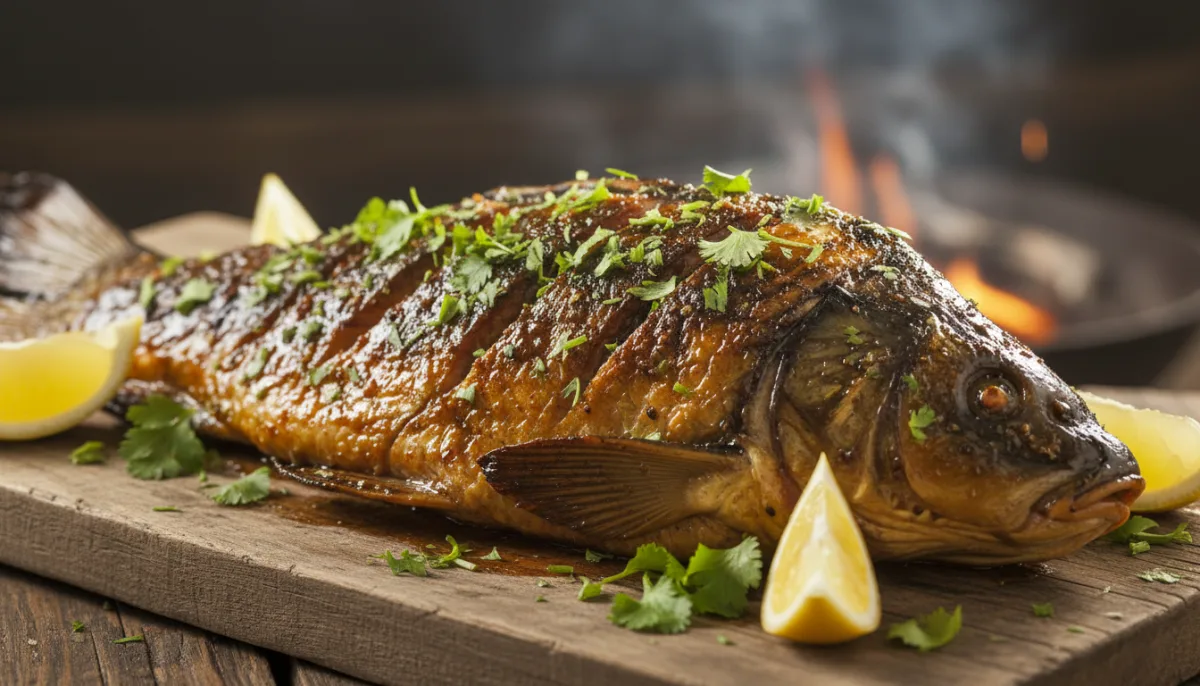
Grilling fish can seem intimidating, but with the right approach, it yields incredibly flavorful and moist results.
- Choosing Fish: Opt for firm, flaky fish like salmon, swordfish, tuna, or halibut. Whole fish also grills beautifully.
- Preparation: Brush fish with oil and season well. For delicate fillets, consider using a fish grilling basket or placing them on a cedar plank (soaked in water for at least 30 minutes) for added flavor and to prevent sticking.
- Technique: Grill over medium-high direct heat for a short time, then move to indirect heat if needed to finish cooking. Cook until the fish flakes easily with a fork. Avoid overcooking!
- Shrimp & Scallops: Thread onto skewers to make them easier to handle. Grill quickly over direct high heat until opaque.
Sweet Grilled Fruits
Grilling caramelizes the natural sugars in fruit, intensifying their sweetness and adding a smoky dimension. They make fantastic desserts or additions to savory dishes.
- Preparation: Brush fruit lightly with oil or melted butter, and a sprinkle of cinnamon or sugar if desired.
- Examples:
- Pineapple: Slice into rings or spears.
- Peaches, Nectarines, Plums: Halve and pit.
- Watermelon: Slice into thick wedges.
- Bananas: Grill whole in their peel or peeled and halved lengthwise.
- Technique: Grill over medium direct heat for a few minutes per side until grill marks appear and the fruit softens slightly.
Unexpected Grilled Desserts
Yes, you can grill dessert! The smoky flavor adds an intriguing twist.
- Pound Cake or Angel Food Cake: Slice thickly, brush with butter, and grill briefly until lightly toasted. Serve with grilled fruit and ice cream.
- S'mores: A classic, but even better when the marshmallows are perfectly toasted over the grill.
- Fruit Skewers: Combine different fruits, grill, and drizzle with honey or a light syrup.
Achieving Perfect Char Marks: The Flavor Signature
Those beautiful crosshatch marks aren't just for aesthetics; they indicate a delicious caramelization and add a desirable smoky flavor.
- Clean Grates: Always start with clean grill grates. Food is less likely to stick, and you'll get clearer marks.
- Hot Grates: Preheat your grill to the desired temperature. The grates need to be hot enough to sear.
- Oil the Food, Not the Grates: Lightly oil your food (or use an oiled marinade) rather than oiling the grates directly, which can cause flare-ups.
- Place and Don't Touch: Place your food on the hot grates and resist the urge to move it for a few minutes. This allows the char to develop.
- Rotate for Crosshatch: For classic crosshatch marks, after the first set of marks appears, rotate the food 45 degrees and cook for another few minutes before flipping.
Conclusion: Your Grill, Your Culinary Canvas
Stepping beyond burgers and hot dogs opens up a world of exciting flavors and textures. With a little practice in temperature control, the creative use of marinades, and an understanding of how different ingredients react to the heat, your grill can become your most versatile cooking tool. Experiment with new vegetables, try grilling different types of fish, and don't shy away from the delightful surprise of grilled fruit and desserts. Embrace the flame, and let your outdoor cooking adventures begin!
Frequently Asked Questions
Q: How do I prevent food from sticking to the grill grates?
A: Ensure your grill grates are clean and hot before placing food. Lightly oil the food itself (not the grates directly) with a high smoke point oil. For delicate items like fish or small vegetables, consider using a grill basket or a cedar plank.
Q: Can I use frozen vegetables on the grill?
A: While fresh is generally preferred for grilling, you can grill frozen vegetables. Thaw them completely first and pat them very dry to remove excess moisture. This helps prevent steaming and promotes better charring.
Q: What's the best way to clean my grill after cooking?
A: The easiest time to clean your grill is when it's still warm. Use a sturdy wire brush to scrape off any food residue from the grates. For a deeper clean, you can use a grill cleaner or a mixture of soap and water once the grill has completely cooled.