Home › Recipes › Breakfast ›Uzbek ›Uzbek Kattama (Layered Flatbread) with Sour Cream and Honey
BREAKFAST

Uzbek Kattama (Layered Flatbread) with Sour Cream and Honey

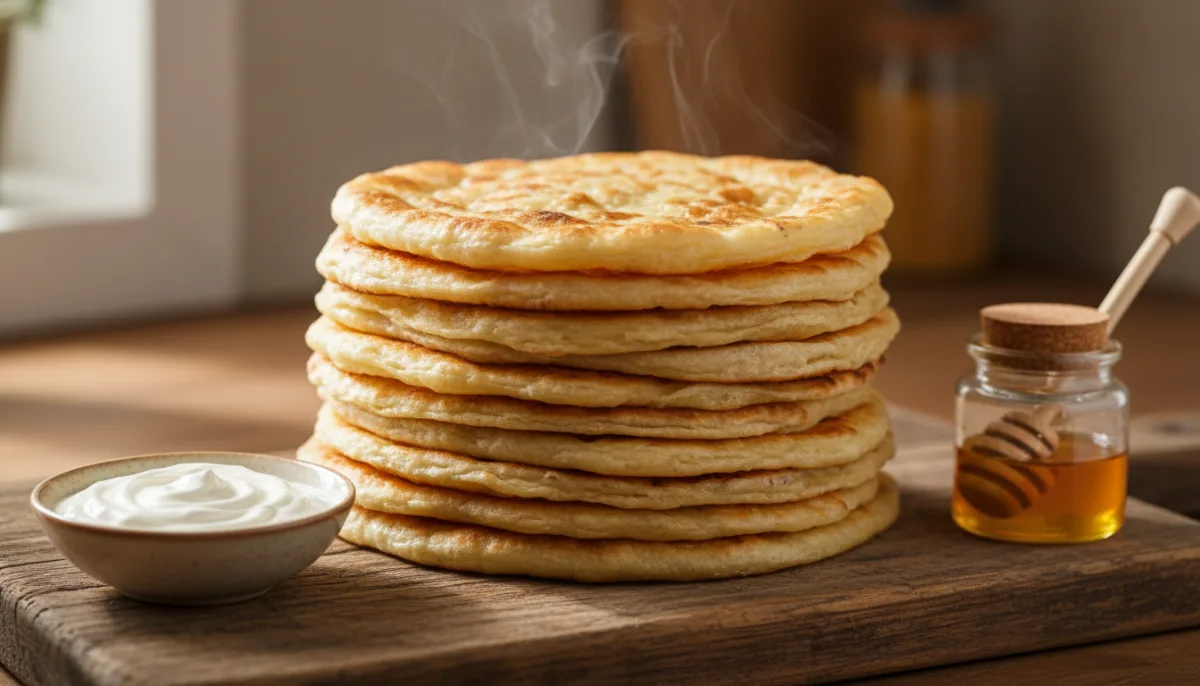
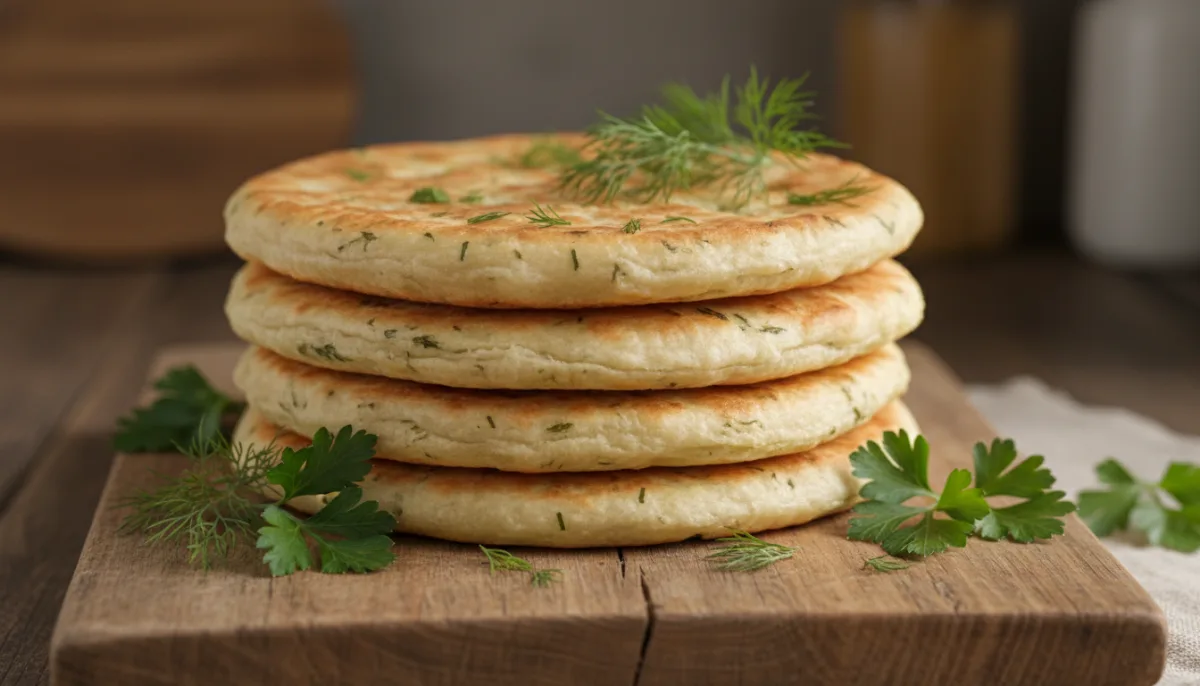
This traditional Uzbek layered flatbread, known as Kattama, is made with a simple dough enriched with butter, creating many flaky layers. Served warm with a dollop of sour cream and a drizzle of honey, it's a delightful breakfast or snack.

✎
HOW TO MAKE IT

Let's cook.

01

In a large bowl, combine 2 cups all-purpose flour and 1 teaspoon salt. Gradually add 3/4 cup warm water, mixing until a shaggy dough forms. Turn the dough out onto a lightly floured surface and knead for 5-7 minutes until smooth and elastic. Cover the dough with a clean cloth and let it rest for 15 minutes.

02

Divide the rested dough into 2 equal portions. Roll each portion into a thin rectangle, approximately 12x8 inches. Brush each rectangle generously with half of the 1/2 cup melted butter.

03

Starting from one long edge, tightly roll each buttered dough rectangle into a log. Coil each log into a spiral shape, like a snail, and flatten slightly. Cover and let rest for another 10 minutes.

04

On a lightly floured surface, roll each coiled dough piece into a flatbread, about 8-9 inches in diameter and 1/4 inch thick. Be gentle to maintain the layers.

05

Heat a large non-stick skillet over medium heat. Add 1 tablespoon melted butter. Cook one kattama for 4-6 minutes per side, or until golden brown and cooked through, adjusting heat as needed to prevent burning. Repeat with the second kattama. Serve warm with sour cream and honey.

About This Recipe

This traditional Uzbek layered flatbread, known as Kattama, is made with a simple dough enriched with butter, creating many flaky layers. Served warm with a dollop of sour cream and a drizzle of honey, it's a delightful breakfast or snack.
Uzbek Kattama (Layered Flatbread) with Sour Cream and Honey
Simple ingredients.
Big flavor.
✦
♨

Chef's Tips

For extra flaky layers, ensure the butter is melted but not hot when brushing the dough. Rolling the dough thinly is key to achieving the characteristic layers. Don't overcrowd the pan; cook one flatbread at a time.
↔

Easy Substitutions

You can substitute ghee for butter for a richer flavor. Plain yogurt can be used instead of sour cream. Maple syrup or date syrup can replace honey.
▱

Storage & Reheating

Store leftover kattama in an airtight container at room temperature for up to 2 days. Reheat in a dry skillet over medium-low heat until warmed through and slightly crispy.

Serving Suggestions

Serve warm kattama with a generous dollop of sour cream and a drizzle of honey. It pairs wonderfully with a cup of hot tea or coffee. For a savory twist, serve it alongside a simple fried egg or a sprinkle of fresh herbs.

Common Mistakes

Not resting the dough enough can make it difficult to roll and result in less tender flatbreads. Over-kneading the dough can make it tough; aim for smooth and elastic, not overly stiff. Using too much flour during rolling can dry out the dough and prevent proper layering. Cooking on too high heat will burn the outside before the inside cooks through; adjust heat as needed. Not brushing enough butter will result in fewer distinct layers.

Frequently Asked Questions

Can I make the dough ahead of time?

Yes, you can prepare the dough up to the coiling step, then wrap it tightly and refrigerate for up to 24 hours. Bring to room temperature before rolling and cooking.


What if my kattama isn't flaky?

Ensure you rolled the dough very thinly and brushed generously with melted butter before rolling into a log. The coiling and re-rolling steps are crucial for creating the layers.

Can I bake kattama instead of frying?

While traditionally fried, you can bake it at 400°F (200°C) for 10-15 minutes, flipping halfway, until golden brown. However, frying often yields a crispier exterior.
MORE TO KNOW
Kattama is a staple in Uzbek cuisine, often enjoyed for breakfast or as a side with savory dishes. The technique of rolling and coiling the dough creates numerous thin layers that separate during cooking, resulting in a wonderfully flaky texture. While traditionally cooked on a saj (a convex griddle), a heavy-bottomed skillet works perfectly for home preparation. The contrast of the warm, buttery flatbread with cool, tangy sour cream and sweet honey is truly delightful.
WHAT PEOPLE THINK

Reviews

☆

No reviews yet

Be the first person to review this recipe.

SHARE YOUR THOUGHTS

Made this recipe?

Tell us how it turned out.

Your review will be checked before appearing publicly.