Home › Recipes › Breakfast ›Tanzanian ›Tanzanian Coconut Milk Chapati: A Flaky Flatbread Delight
BREAKFAST

Tanzanian Coconut Milk Chapati: A Flaky Flatbread Delight

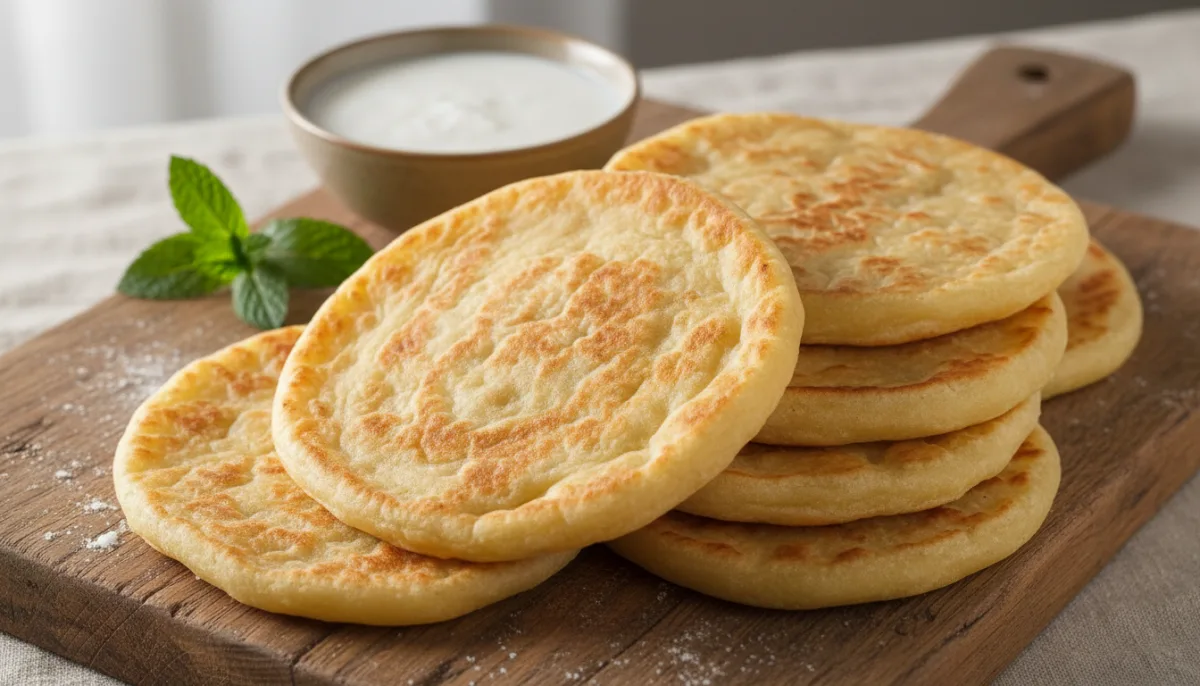
Savor the unique texture and subtle sweetness of Tanzanian Chapati, a beloved East African flatbread elevated by the richness of coconut milk. This versatile staple is ideal for a satisfying breakfast or as an accompaniment to your favorite stews and curries, bringing a taste of tradition to your table.

✎
HOW TO MAKE IT

Let's cook.

01

In a large bowl, combine the all-purpose flour and salt. Mix well to distribute the salt evenly.

02

Gradually add the warm coconut milk and warm water to the flour mixture, mixing with your hands until a shaggy dough forms. Knead the dough on a lightly floured surface for 8-10 minutes until it is smooth and elastic. If the dough is too sticky, add a little more flour; if too dry, add a teaspoon of water at a time. Cover the dough with a damp cloth and let it rest for 15 minutes.

03

Divide the rested dough into 8 equal portions. Roll each portion into a smooth ball. Lightly oil your work surface and a rolling pin.

04

Take one dough ball and roll it out into a very thin, large circle, about 8-10 inches in diameter. Brush the entire surface of the rolled dough with a thin layer of vegetable oil.

05

Starting from one edge, tightly roll the oiled dough into a log. Then, coil the log into a spiral shape, tucking the end underneath. Flatten the coiled dough gently with your palm. Repeat for all dough balls.

06

Heat a flat griddle or heavy-bottomed skillet over medium heat. While the griddle heats, take one coiled dough piece and roll it out again into a thin circle, about 6-7 inches in diameter.

07

Place the rolled chapati onto the hot griddle. Cook for 1-2 minutes per side, until golden brown spots appear and the chapati puffs up. Lightly brush with a little oil during cooking if desired. Repeat with the remaining chapatis.

08

Once cooked, stack the chapatis and gently clap them between your hands to enhance their flakiness. Serve immediately.

About This Recipe

Savor the unique texture and subtle sweetness of Tanzanian Chapati, a beloved East African flatbread elevated by the richness of coconut milk. This versatile staple is ideal for a satisfying breakfast or as an accompaniment to your favorite stews and curries, bringing a taste of tradition to your table.
Tanzanian Coconut Milk Chapati: A Flaky Flatbread Delight
Simple ingredients.
Big flavor.
✦
♨

Chef's Tips

Ensure your coconut milk and water are warm, not hot, to help activate the gluten in the flour for a more pliable dough. Don't skip the resting time; it allows the gluten to relax, making the dough easier to roll thinly. For extra flakiness, you can brush the rolled-out dough with melted ghee instead of vegetable oil before coiling.
↔

Easy Substitutions

If full-fat coconut milk is unavailable, you can use light coconut milk, though the flavor will be less rich. For a non-dairy option, you can use a plant-based milk alternative, but the coconut flavor will be absent. Vegetable oil can be substituted with ghee or a neutral cooking oil like canola or sunflower oil.
▱

Storage & Reheating

Store leftover chapatis in an airtight container at room temperature for up to 2 days. For longer storage, refrigerate for up to 4 days. Reheat on a dry skillet over medium heat for 30-60 seconds per side until warm and pliable.

Serving Suggestions

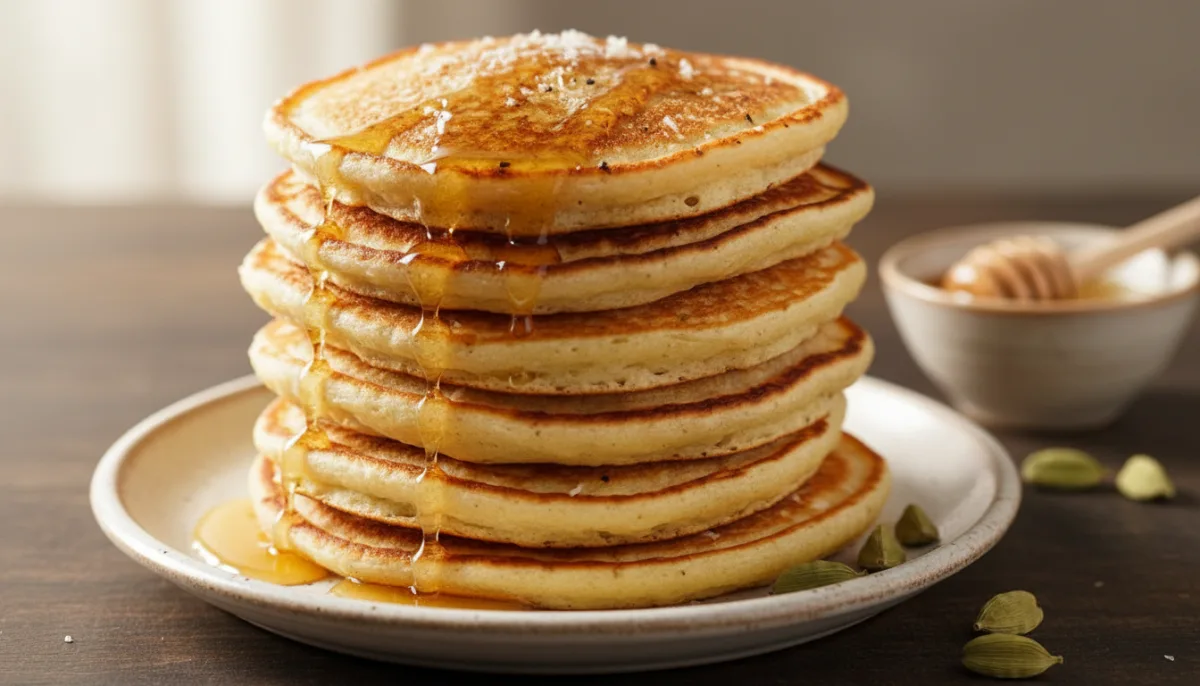
Serve Tanzanian Chapati warm with a side of spicy bean stew (maharagwe), a simple fried egg, or a dollop of plain yogurt. It also pairs wonderfully with a savory curry or as a base for a breakfast wrap with vegetables and cheese. For a sweet treat, spread with honey or jam.

Common Mistakes

Not kneading the dough enough: This results in a tough, less pliable chapati. Knead until smooth and elastic. Not resting the dough: Skipping the rest makes the dough difficult to roll thinly. Using too much flour during rolling: This can dry out the chapati. Use minimal flour or oil your surface instead. Not rolling thin enough: Thick chapatis will be chewy, not flaky. Overcooking: This can make the chapati dry and brittle. Cook until golden spots appear and it puffs up.

Frequently Asked Questions

Can I make the dough ahead of time?

Yes, you can prepare the dough, cover it tightly, and refrigerate it for up to 24 hours. Let it come to room temperature for about 30 minutes before rolling and cooking.


Why isn't my chapati puffing up?

This can happen if the griddle isn't hot enough, the dough isn't rolled thin enough, or if there are holes in the dough. Ensure your griddle is at medium heat and the dough is thin and intact.

Can I freeze cooked chapatis?

Yes, stack cooled chapatis with parchment paper in between, wrap tightly, and freeze for up to 1 month. Reheat directly from frozen on a hot skillet.

What kind of flour should I use?

All-purpose flour works best for this recipe, providing a good balance of elasticity and tenderness.

Is this chapati spicy?

No, this recipe is not spicy. The flavor comes from the coconut milk and the inherent taste of the flour.
MORE TO KNOW
The secret to truly flaky chapati lies in the oiling and coiling technique. By brushing the dough with oil and then rolling it into a log and a spiral, you create multiple thin layers that separate during cooking, resulting in that characteristic flakiness. Don't be afraid to roll the dough very thin in the initial step; this is crucial for achieving the desired texture. The clapping step at the end helps to further separate these layers, making the chapati even more airy and delightful.
WHAT PEOPLE THINK

Reviews

☆

No reviews yet

Be the first person to review this recipe.

SHARE YOUR THOUGHTS

Made this recipe?

Tell us how it turned out.

Your review will be checked before appearing publicly.