Home › Recipes › Breakfast ›Israeli ›Shakshuka with Feta and Cilantro
BREAKFAST

Shakshuka with Feta and Cilantro

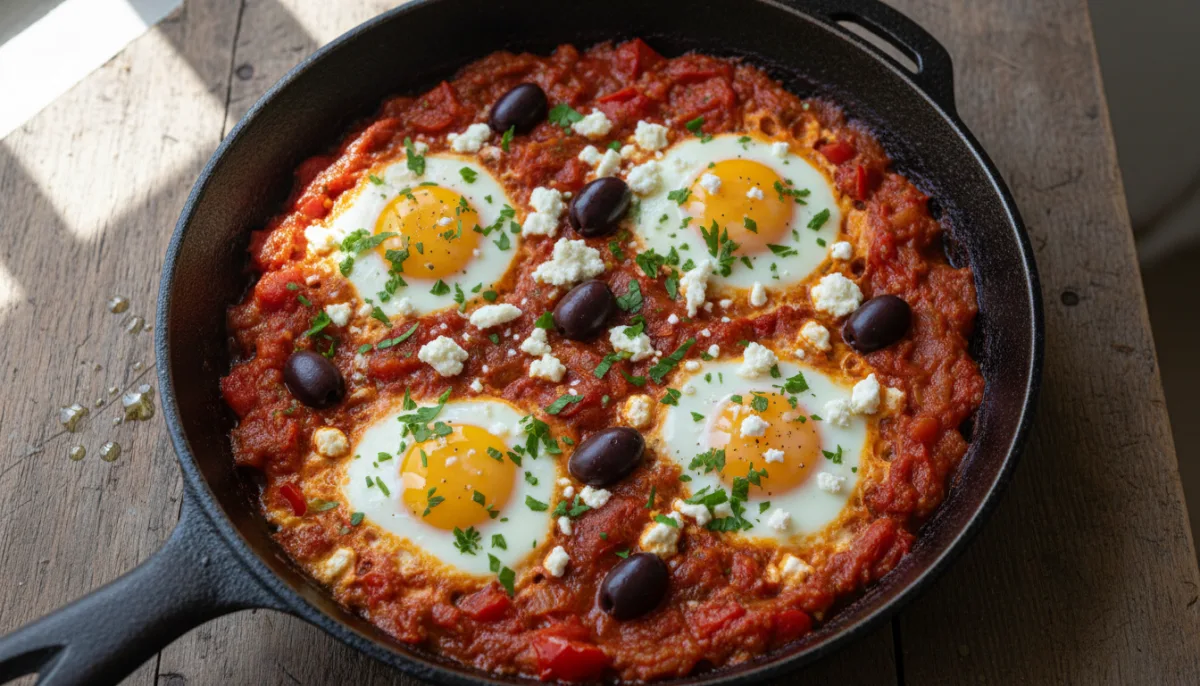
This vibrant Israeli shakshuka features perfectly poached eggs nestled in a rich, spiced tomato sauce, elevated with salty feta cheese and fresh cilantro. It's a hearty and flavorful breakfast or brunch dish that's surprisingly easy to make.

✎
HOW TO MAKE IT

Let's cook.

01

Heat 2 tablespoons of olive oil in a large, oven-safe skillet (preferably cast iron) over medium heat. Add the chopped onion and diced red bell pepper, cooking for 8-10 minutes until softened.

02

Stir in the minced garlic, ground cumin, smoked paprika, and cayenne pepper (if using). Cook for 1 minute more until fragrant.

03

Pour in the 28-ounce can of crushed tomatoes. Season with 1/2 teaspoon of salt and 1/4 teaspoon of black pepper. Bring the sauce to a gentle simmer, then reduce heat to low and cook for 10 minutes, allowing the flavors to meld.

04

Create 6 small wells in the tomato sauce using the back of a spoon. Carefully crack one large egg into each well.

05

Cover the skillet and cook on low heat for 5-8 minutes, or until the egg whites are set and the yolks are still runny (or cooked to your preference).

06

Remove the skillet from the heat. Sprinkle the 1/2 cup of crumbled feta cheese and 1/4 cup of fresh chopped cilantro over the shakshuka.

07

Serve immediately directly from the skillet.

About This Recipe

This vibrant Israeli shakshuka features perfectly poached eggs nestled in a rich, spiced tomato sauce, elevated with salty feta cheese and fresh cilantro. It's a hearty and flavorful breakfast or brunch dish that's surprisingly easy to make.
Shakshuka with Feta and Cilantro
Simple ingredients.
Big flavor.
✦
♨

Chef's Tips

For a richer flavor, use fire-roasted crushed tomatoes. Don't overcrowd the skillet; if you need to make a larger batch, use two skillets or cook in batches. Adjust the cayenne pepper to your desired level of spice.
↔

Easy Substitutions

Spinach or kale can be added with the bell peppers for extra greens. Goat cheese or ricotta can be used instead of feta. Parsley can replace cilantro if preferred. For a meatier version, add cooked ground lamb or beef with the onions.
▱

Storage & Reheating

Leftover shakshuka can be stored in an airtight container in the refrigerator for up to 2 days. Reheat gently on the stovetop over low heat, adding a splash of water if needed. Eggs may cook further upon reheating.

Serving Suggestions

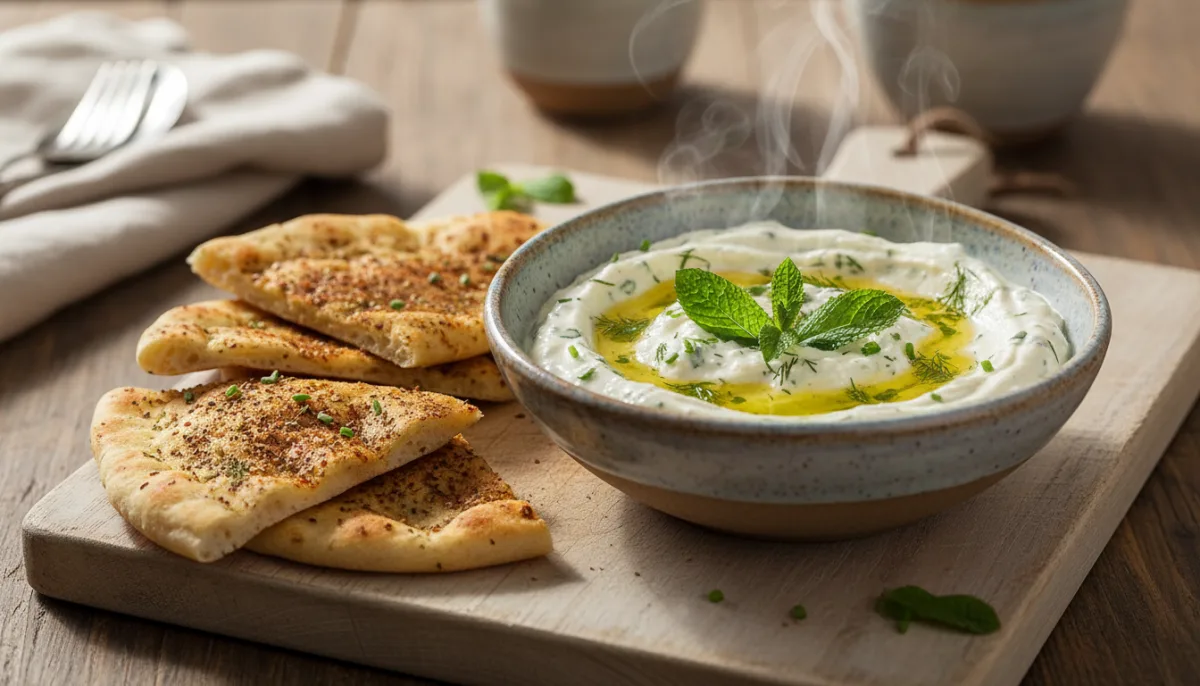
Serve this shakshuka hot with warm pita bread or crusty sourdough for dipping. It also pairs wonderfully with a side of creamy labneh or a simple green salad. A sprinkle of za'atar or a drizzle of good quality olive oil just before serving adds an extra layer of authentic flavor.

Common Mistakes

1. Not simmering the sauce long enough: This results in a watery, less flavorful shakshuka. Ensure the sauce simmers for at least 10 minutes to thicken and deepen in flavor. 2. Overcooking the eggs: The eggs should be just set with runny yolks for the best experience. Watch them closely and remove from heat as soon as the whites are opaque. 3. Using a skillet that's too small: This can overcrowd the eggs and prevent even cooking. Use a large, wide skillet to give the eggs enough space. 4. Skipping the fresh herbs: Cilantro adds a crucial fresh, bright note that balances the rich tomato sauce. Don't omit it!

Frequently Asked Questions

Can I make shakshuka ahead of time?

While the tomato sauce can be made a day in advance and stored in the refrigerator, it's best to add and cook the eggs just before serving for optimal texture.


What kind of skillet is best for shakshuka?

An oven-safe skillet, such as cast iron or a heavy-bottomed stainless steel pan, is ideal as it distributes heat evenly and can go from stovetop to oven if you prefer to finish the eggs that way.

Can I add other vegetables?

Absolutely! Sliced mushrooms, zucchini, or even some chopped kale or spinach can be added with the bell peppers for more variety.
MORE TO KNOW
Shakshuka is a versatile dish, and its beauty lies in its simplicity and adaptability. The key to a great shakshuka is a flavorful, well-simmered tomato base. Allowing the sauce to cook slowly helps deepen the flavors and ensures a rich foundation for the eggs. When adding the eggs, try to keep them separate so they cook evenly. If you prefer firmer yolks, you can briefly place the skillet under a broiler set to 400°F/200°C for 1-2 minutes after the whites have set, but watch carefully to prevent overcooking.
WHAT PEOPLE THINK

Reviews

☆

No reviews yet

Be the first person to review this recipe.

SHARE YOUR THOUGHTS

Made this recipe?

Tell us how it turned out.

Your review will be checked before appearing publicly.