Home › Recipes › Dinner ›New Zealand ›Hāngī-Inspired Pork and Kumara with Horopito Spice Rub
DINNER

Hāngī-Inspired Pork and Kumara with Horopito Spice Rub

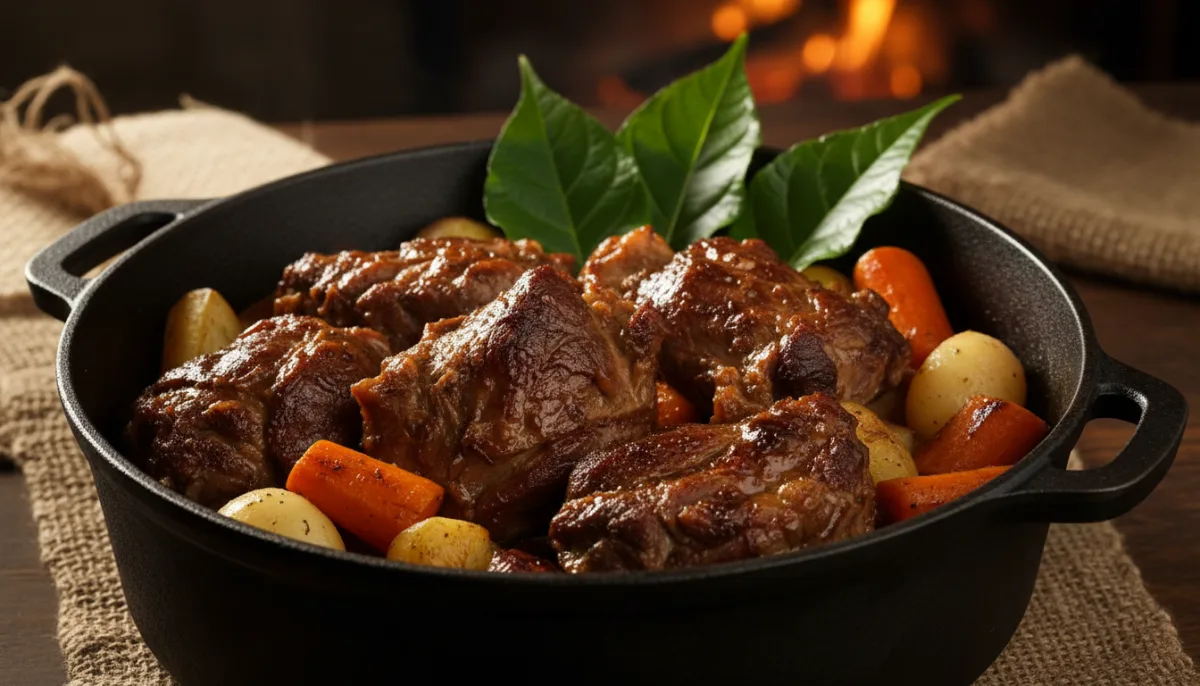
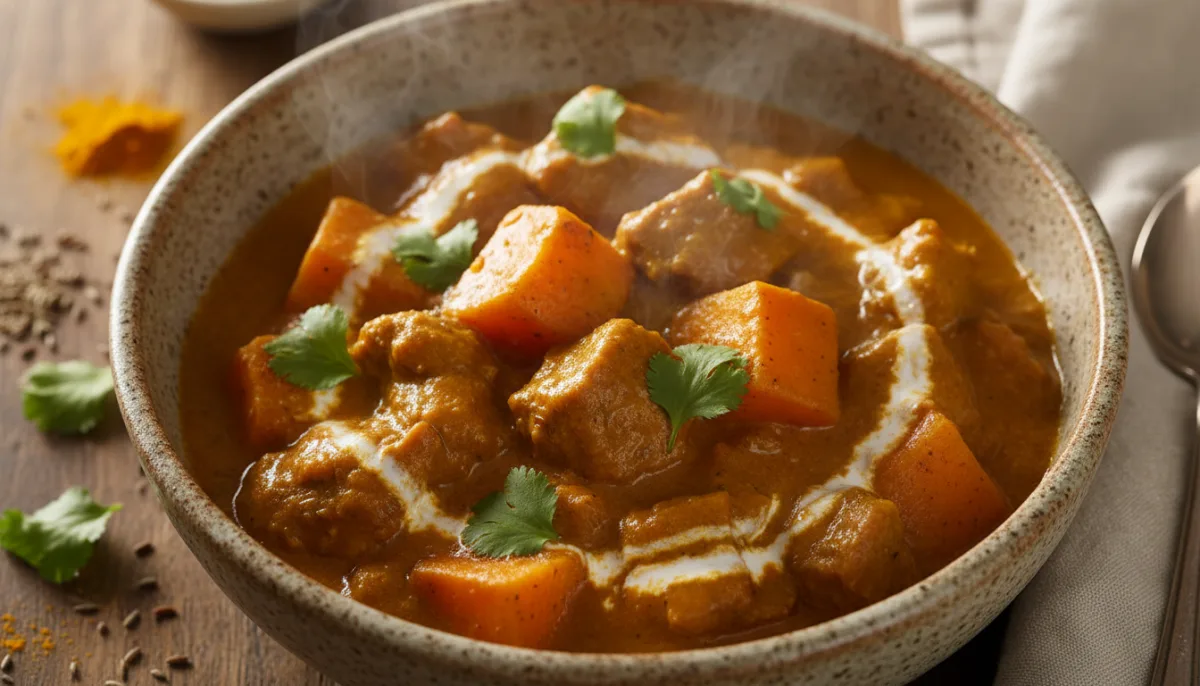
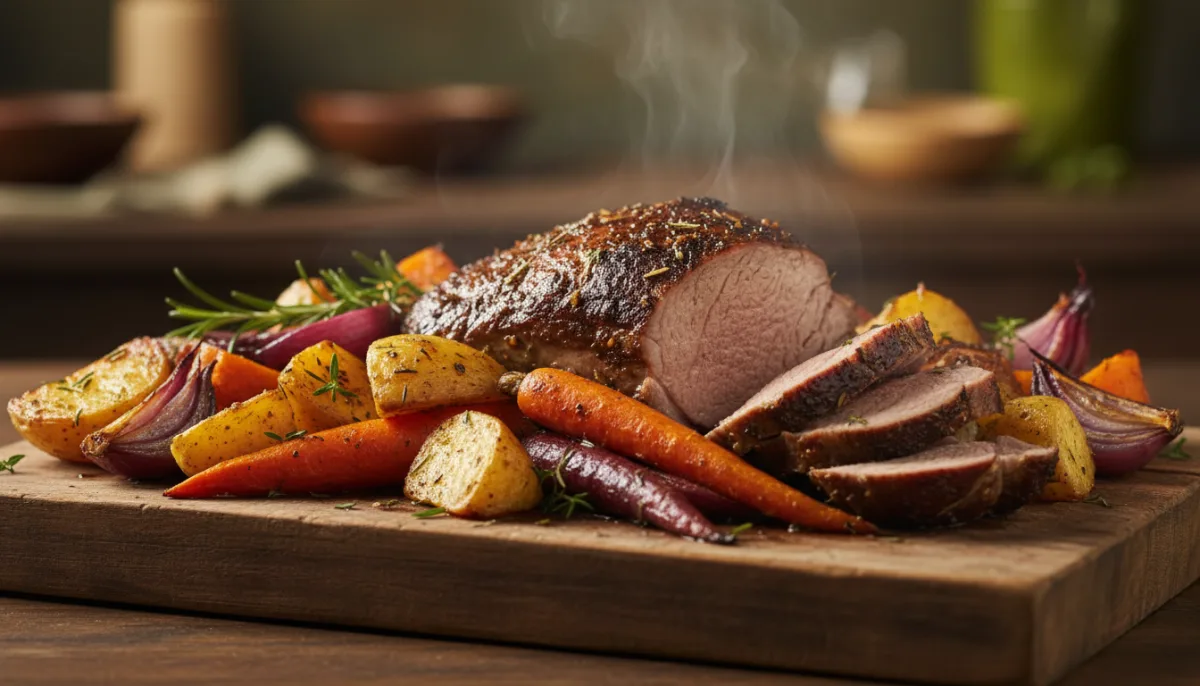
Experience the deep, earthy flavors of a traditional Māori hāngī with this recipe for slow-cooked pork and kumara (sweet potato). A fragrant horopito rub infuses the dish, creating tender meat and vegetables reminiscent of the authentic underground cooking method, adapted for your kitchen.

✎
HOW TO MAKE IT

Let's cook.

01

In a small bowl, combine the crushed horopito leaves, smoked paprika, garlic powder, salt, and black pepper to create the rub.

02

Pat the pork shoulder chunks dry with paper towels. Rub the horopito mixture evenly over all sides of the pork.

03

Heat 1 tablespoon of olive oil in a large, oven-safe Dutch oven or heavy-bottomed pot over medium-high heat. Sear the pork chunks in batches until browned on all sides, about 3-4 minutes per side. Remove the pork and set aside.

04

Deglaze the pot with 1 cup of chicken broth, scraping up any browned bits from the bottom. Return the seared pork to the pot.

05

Add the kumara chunks around the pork in the pot. Cover the Dutch oven tightly with its lid.

06

Bake in a preheated oven at 325°F/160°C for 2 hours, or until the pork is fork-tender and the kumara is soft. Check occasionally to ensure there is still liquid in the pot; add a splash more broth if needed.

07

Carefully remove the Dutch oven from the oven. Let it rest, covered, for 10 minutes before serving to allow the flavors to meld and the meat to reabsorb its juices.

About This Recipe

Experience the deep, earthy flavors of a traditional Māori hāngī with this recipe for slow-cooked pork and kumara (sweet potato). A fragrant horopito rub infuses the dish, creating tender meat and vegetables reminiscent of the authentic underground cooking method, adapted for your kitchen.
Hāngī-Inspired Pork and Kumara with Horopito Spice Rub
Simple ingredients.
Big flavor.
✦
♨

Chef's Tips

For an extra smoky flavor, you can add a few drops of liquid smoke to the chicken broth before baking. Ensure the horopito leaves are finely crushed to release their full aroma.
↔

Easy Substitutions

If horopito is unavailable, a blend of dried rosemary and thyme with a pinch of chili flakes can offer a similar earthy, peppery note. Regular sweet potatoes can be used in place of kumara. Pork belly can be substituted for pork shoulder for a richer dish.
▱

Storage & Reheating

Store any leftover Hāngī-Style Pork and Kumara in an airtight container in the refrigerator for up to 3 days. Reheat gently on the stovetop over low heat or in the microwave until warmed through.

Serving Suggestions

Serve this Hāngī-Style Pork and Kumara with a fresh green salad dressed with a simple vinaigrette. A side of steamed green beans or a dollop of natural yogurt can also complement the rich flavors. For a more complete meal, consider serving it with a side of rewena bread.

Common Mistakes

Overcooking the pork can lead to dry meat; ensure it's fork-tender but not falling apart into shreds unless desired. Not browning the pork sufficiently before baking can result in less depth of flavor. Forgetting to cover the Dutch oven tightly will cause moisture loss, leading to drier results. Not crushing the horopito enough can result in a weaker flavor profile.

Frequently Asked Questions

Can I make this recipe in a slow cooker?

Yes, after browning the pork, transfer it and the kumara to a slow cooker with the broth. Cook on low for 6-8 hours or on high for 3-4 hours, until the pork is tender.


Where can I find horopito?

Horopito can be found in specialty spice shops or online retailers that focus on New Zealand or indigenous ingredients. If unavailable, use the suggested substitution.

Can I add other vegetables?

Absolutely! Root vegetables like carrots, parsnips, or even regular potatoes would be excellent additions. Add them along with the kumara.
MORE TO KNOW
Horopito, also known as New Zealand pepper tree, offers a unique peppery, slightly citrusy, and earthy flavor that is central to this dish's authentic taste. When crushing the dried leaves, aim for a coarse powder rather than a fine dust to retain some texture and ensure the flavor isn't too overwhelming. The slow cooking method in a Dutch oven mimics the moist, tender results of a traditional hāngī, where food is cooked in an earth oven, allowing the flavors to deeply penetrate the meat and vegetables.
WHAT PEOPLE THINK

Reviews

☆

No reviews yet

Be the first person to review this recipe.

SHARE YOUR THOUGHTS

Made this recipe?

Tell us how it turned out.

Your review will be checked before appearing publicly.