Home › Recipes › Breakfast ›Estonian ›Estonian Kama: Toasted Grain Blend with Buttermilk and Berries
BREAKFAST

Estonian Kama: Toasted Grain Blend with Buttermilk and Berries

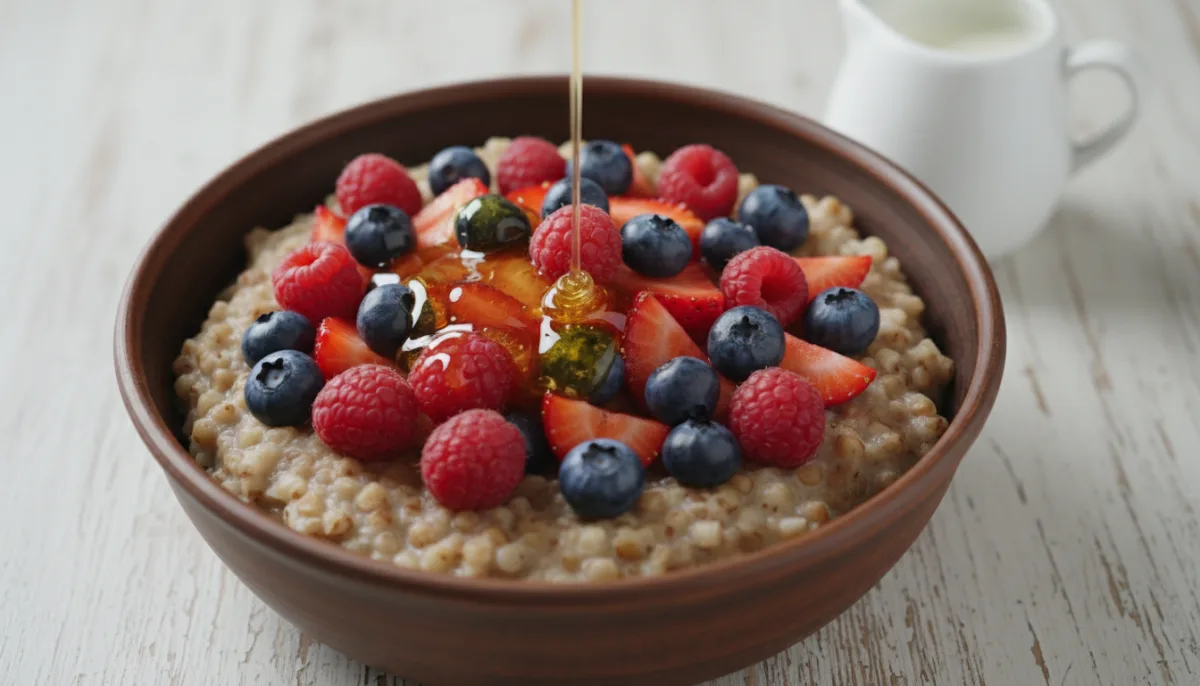
Experience a traditional Estonian breakfast with this simple yet satisfying dish. Kama is a finely milled mixture of roasted grains, often served with buttermilk and fresh berries for a nutritious and flavorful start to your day.

✎
HOW TO MAKE IT

Let's cook.

01

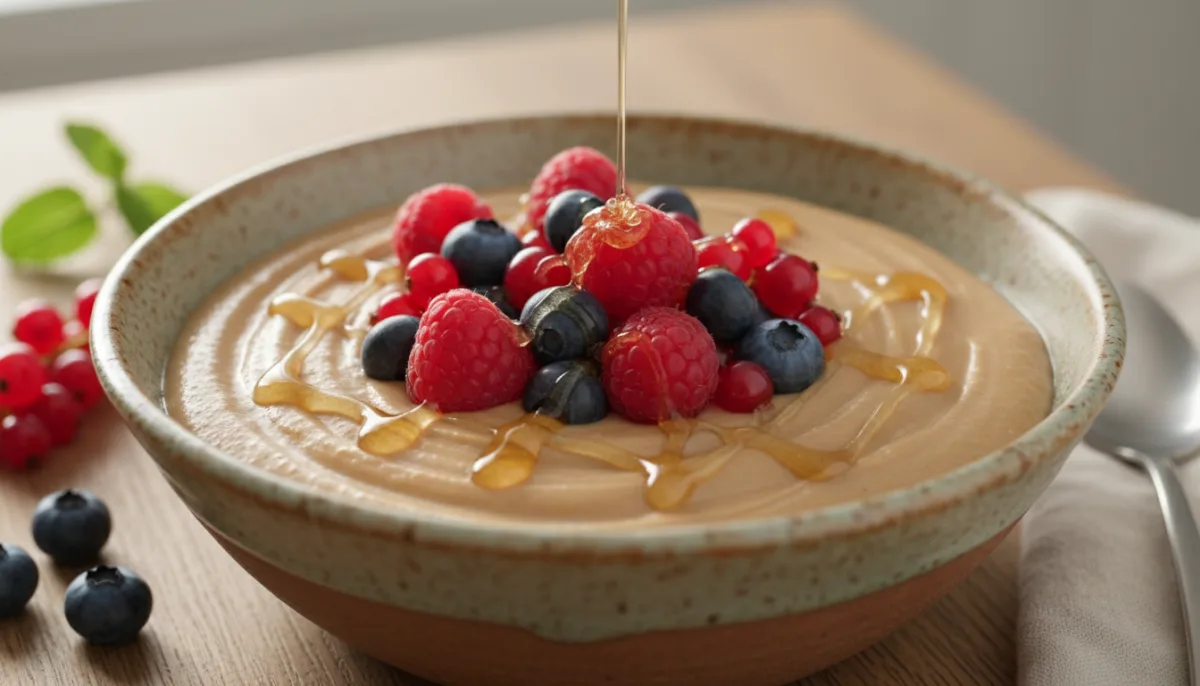
In a medium bowl, combine the 1/2 cup of kama flour and 1 cup of buttermilk. Stir well until the kama is fully incorporated and there are no lumps.

02

If using, stir in the 1 tablespoon of honey and 1/4 teaspoon of cinnamon. Adjust sweetness to your preference.

03

Gently fold in the 1/2 cup of mixed berries.

04

Divide the mixture into two serving bowls.

05

Serve immediately or chill for a few minutes to allow the flavors to meld.

About This Recipe

Experience a traditional Estonian breakfast with this simple yet satisfying dish. Kama is a finely milled mixture of roasted grains, often served with buttermilk and fresh berries for a nutritious and flavorful start to your day.
Estonian Kama: Toasted Grain Blend with Buttermilk and Berries
Simple ingredients.
Big flavor.
✦
♨

Chef's Tips

For a thicker consistency, let the kama mixture sit for 5-10 minutes before serving, as the grains will absorb more liquid. You can also adjust the amount of buttermilk to achieve your desired texture.
↔

Easy Substitutions

If kama flour is unavailable, you can try a blend of finely ground toasted oats, rye, and barley. For buttermilk, kefir or plain yogurt thinned with a little milk are excellent alternatives. Any fresh or frozen fruit can be used in place of mixed berries.
▱

Storage & Reheating

Leftovers can be stored in an airtight container in the refrigerator for up to 2 days. The mixture may thicken further upon chilling; simply stir in a splash more buttermilk or milk before serving.

Serving Suggestions

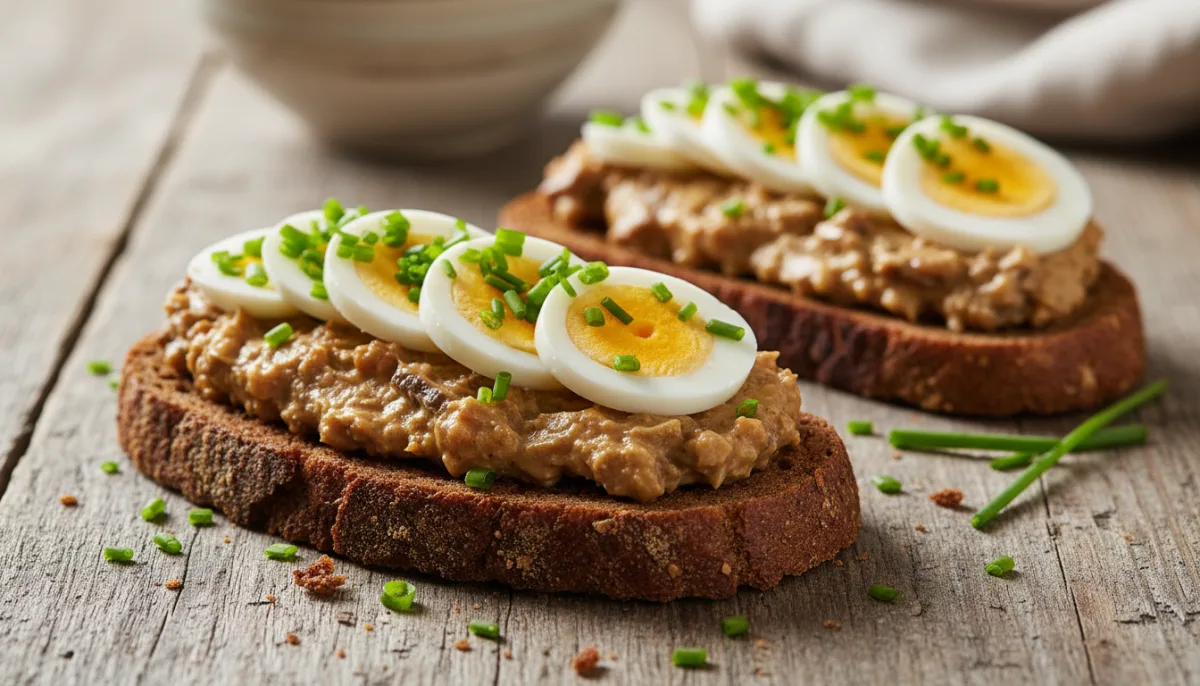
Serve chilled with a sprinkle of extra berries on top. A dollop of plain yogurt or a few chopped nuts can add extra texture and flavor. Enjoy with a side of dark rye bread for a complete Estonian breakfast experience. For a dessert-like treat, add a scoop of vanilla ice cream.

Common Mistakes

1. Not stirring enough: Ensure the kama flour is fully incorporated to avoid dry pockets. 2. Adding too much sweetener initially: Start with a small amount and adjust to taste, as berries and buttermilk can vary in sweetness. 3. Using un-toasted grains: The distinct flavor of kama comes from the roasted grains; using raw flour will result in a different taste and texture. 4. Over-chilling without adjustment: If stored in the fridge, the mixture will thicken; add more liquid to reach desired consistency. 5. Not using fresh or thawed berries: Frozen berries should be thawed to prevent excessive chilling and watery texture.

Frequently Asked Questions

What is kama flour?

Kama flour is a traditional Estonian finely milled blend of roasted barley, rye, oat, and pea flours, known for its nutty flavor.


Can I make this vegan?

Yes, substitute buttermilk with a plant-based yogurt or kefir and use maple syrup instead of honey.

Where can I find kama flour?

Kama flour can be found in specialty European food stores or online. If unavailable, you can create a similar blend by finely grinding toasted grains.

Can I use other fruits?

Absolutely! Any fresh or thawed fruit like sliced bananas, peaches, or other berries would work well.

Is this dish served warm or cold?

Traditionally, Estonian Kama is served cold or at room temperature.
MORE TO KNOW
Kama is a staple in Estonian cuisine, traditionally made from a blend of roasted barley, rye, oat, and pea flour. Its unique nutty and slightly earthy flavor comes from the roasting process. While often enjoyed as a simple breakfast, kama is also used in desserts and savory dishes. The fine milling of the grains allows it to be easily mixed into liquids without cooking, making it a quick and convenient meal. This recipe highlights its traditional use with dairy and berries, offering a taste of Estonian heritage.
WHAT PEOPLE THINK

Reviews

☆

No reviews yet

Be the first person to review this recipe.

SHARE YOUR THOUGHTS

Made this recipe?

Tell us how it turned out.

Your review will be checked before appearing publicly.