Home › Recipes › Dessert ›Cuban ›Cuban Natilla with Guava Paste and Maria Cookies
DESSERT

Cuban Natilla with Guava Paste and Maria Cookies

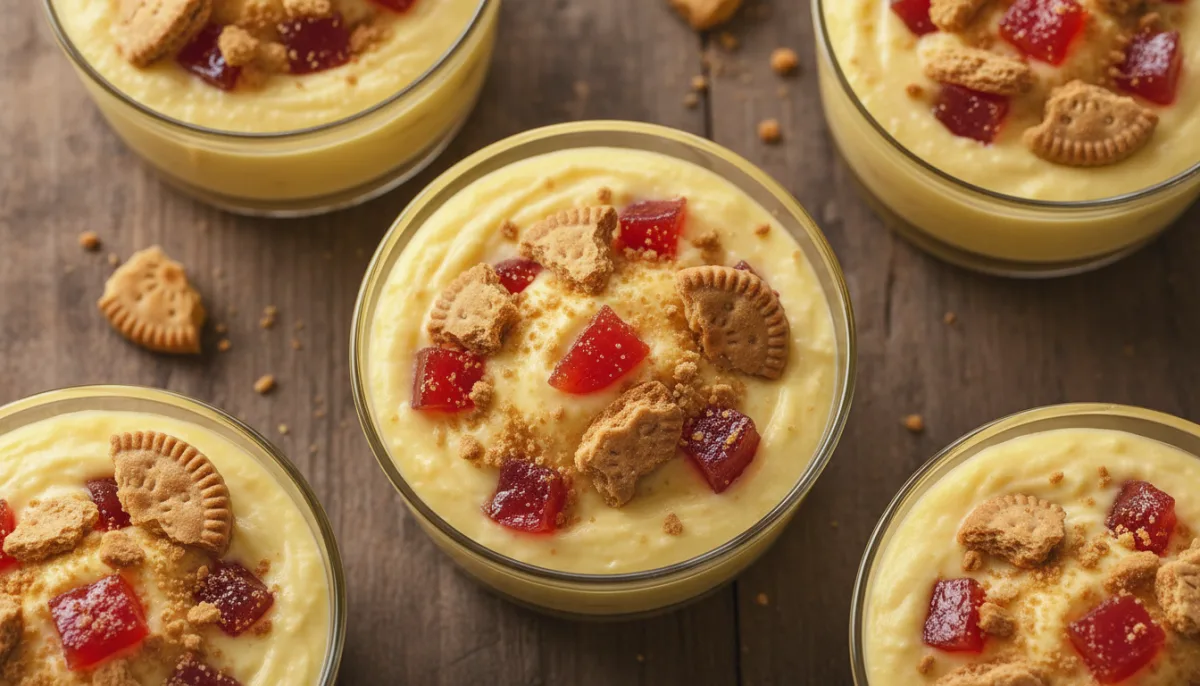
This Cuban Natilla recipe offers a creamy, comforting custard infused with vanilla, layered with sweet guava paste, and crunchy Maria cookies. It's a delightful dessert that perfectly balances traditional Cuban flavors with a unique textural contrast.

✎
HOW TO MAKE IT

Let's cook.

01

In a medium saucepan, combine 3 and 1/2 cups of whole milk and the granulated sugar. Heat over medium heat, stirring occasionally, until the sugar dissolves and the milk is warm but not boiling, about 5-7 minutes.

02

In a separate small bowl, whisk together the remaining 1/2 cup of cold milk, cornstarch, and egg yolks until smooth and no lumps remain.

03

Gradually whisk about 1 cup of the warm milk mixture into the egg yolk mixture to temper it, then pour the tempered egg yolk mixture back into the saucepan with the remaining warm milk. Stir constantly.

04

Continue to cook over medium-low heat, stirring constantly with a whisk or wooden spoon, for 8-10 minutes, until the mixture thickens to a custard-like consistency. Do not boil. Remove from heat and stir in the vanilla extract.

05

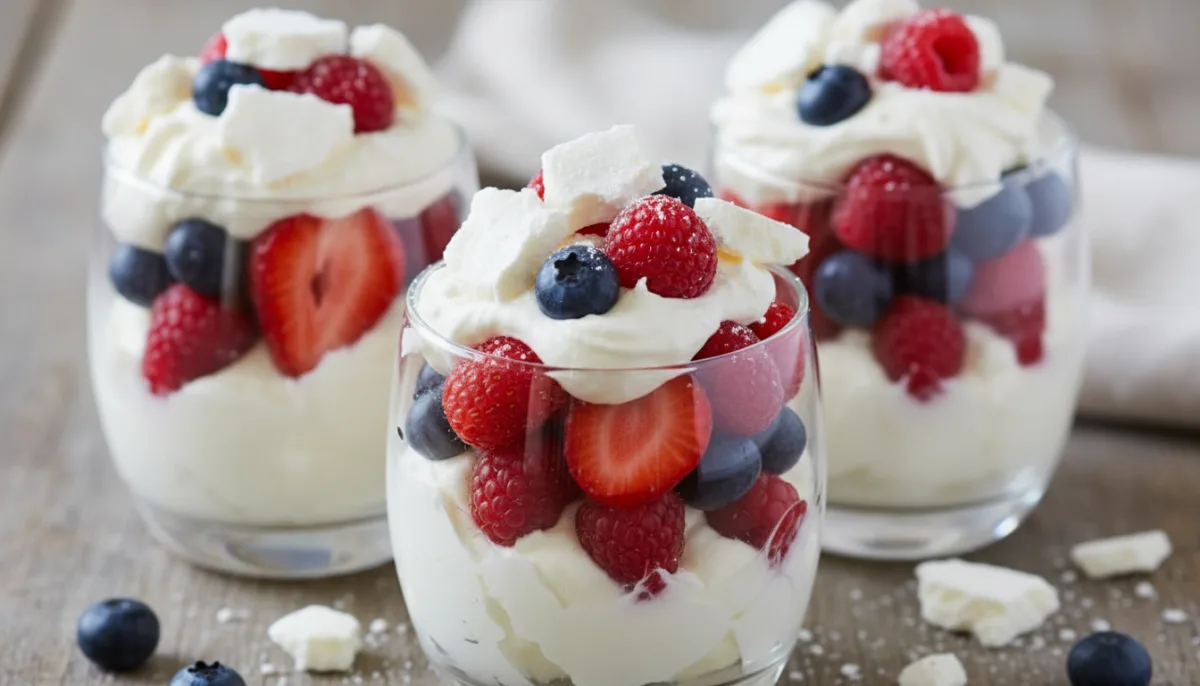
Pour half of the natilla into individual serving dishes or a large bowl. Arrange half of the guava paste cubes over the natilla, then sprinkle with half of the crushed Maria cookies. Repeat with the remaining natilla, guava paste, and Maria cookies.

06

Allow the natilla to cool to room temperature, then cover and refrigerate for at least 2 hours, or until thoroughly chilled and set, before serving.

About This Recipe

This Cuban Natilla recipe offers a creamy, comforting custard infused with vanilla, layered with sweet guava paste, and crunchy Maria cookies. It's a delightful dessert that perfectly balances traditional Cuban flavors with a unique textural contrast.
Cuban Natilla with Guava Paste and Maria Cookies
Simple ingredients.
Big flavor.
✦
♨

Chef's Tips

For a smoother guava layer, you can gently warm the guava paste with a tablespoon of water in a microwave-safe bowl until it softens and can be spread. Adjust sugar to your preference; some prefer a sweeter natilla.
↔

Easy Substitutions

You can substitute arrowroot powder for cornstarch. If Maria cookies are unavailable, plain digestive biscuits or vanilla wafers can be used. Other fruit preserves like mango or passion fruit can replace guava paste for a different flavor profile.
▱

Storage & Reheating

Store leftover natilla covered in the refrigerator for up to 3 days. It is best enjoyed chilled.

Serving Suggestions

Serve individual portions in small glass bowls or ramekins. Garnish with a fresh mint sprig or a thin slice of guava. Enjoy with a cup of strong Cuban coffee. This dessert is perfect after a hearty meal or as a light afternoon treat. For a festive touch, serve alongside a small scoop of vanilla bean ice cream.

Common Mistakes

Not tempering the egg yolks can lead to scrambled eggs in your custard. Ensure you gradually add warm milk to the yolks before combining. Overcooking the natilla can result in a lumpy or overly thick texture; remove it from heat as soon as it reaches a custard-like consistency. Not stirring constantly can cause the bottom to scorch. Using low-fat milk can result in a less creamy texture; whole milk is recommended for richness.

Frequently Asked Questions

Can I make this recipe ahead of time?

Yes, this natilla is best made at least 2 hours in advance to allow it to chill and set properly. It can be stored in the refrigerator for up to 3 days.


What if my natilla doesn't thicken?

Ensure you are cooking it over medium-low heat and stirring constantly. If it's still too thin after 10 minutes, you can dissolve a little more cornstarch in cold milk and whisk it in, then continue cooking for a few more minutes.

Can I use fresh guava instead of guava paste?

While fresh guava has a different texture, you could make a fresh guava puree and sweeten it to use as a layer, though the flavor will be less concentrated than paste.
MORE TO KNOW
Tempering the egg yolks is a crucial step to prevent them from scrambling when added to the hot milk. Always add a small amount of the hot liquid to the yolks first, whisking vigorously, before incorporating the mixture back into the main pot. This gradual temperature increase ensures a smooth, creamy custard. Constant stirring during cooking is also key to prevent scorching and ensure even thickening.
WHAT PEOPLE THINK

Reviews

☆

No reviews yet

Be the first person to review this recipe.

SHARE YOUR THOUGHTS

Made this recipe?

Tell us how it turned out.

Your review will be checked before appearing publicly.