
Embracing the Chill with Comforting Bowls When the days shorten and a crispness fills the air, our appetites often shift towards meals that offer warmth and sustenance. Winter is the season for hearty, slow-cooked dishes that not only satisfy hunger but also provide a sense of coziness. Soups and stews are quintessential winter …
Embracing the Chill with Comforting Bowls
When the days shorten and a crispness fills the air, our appetites often shift towards meals that offer warmth and sustenance. Winter is the season for hearty, slow-cooked dishes that not only satisfy hunger but also provide a sense of coziness. Soups and stews are quintessential winter fare, offering a delightful combination of flavors, textures, and nourishing ingredients. They are also wonderfully versatile, allowing for endless variations based on what's fresh and what you have on hand.
Beyond their comforting qualities, many soups and stews are excellent for meal preparation. A little planning can mean a delicious, home-cooked meal is just a reheat away on a busy weeknight. Let's explore some ideas for creating these warming wonders and how to make them work for you.
The Magic of a Good Broth
The foundation of any great soup or stew is its broth. A well-made broth adds depth and richness that water alone cannot provide. While store-bought options are convenient, making your own can elevate your dishes significantly.
Homemade Broth Basics
- Vegetable Broth: A simple combination of onions, carrots, celery, garlic, and herbs simmered for an hour or two creates a flavorful base. Save vegetable scraps (onion skins, carrot tops, herb stems) in a freezer bag to use for broth.
- Chicken Broth: Roast chicken bones (or a whole carcass after dinner) with some vegetables, then simmer for several hours. This yields a rich, gelatinous broth full of flavor.
- Beef Broth: Brown beef bones (marrow bones are excellent) in the oven, then simmer with vegetables and a touch of tomato paste for a deep, savory base.
Once made, broth can be stored in the refrigerator for up to 4-5 days or frozen for several months. Freezing in smaller portions (like in ice cube trays or 1-2 cup containers) makes it easy to grab just what you need.
Hearty Soup Ideas for Winter Evenings
Soups can range from light and brothy to thick and creamy. For winter, we often lean towards the more substantial varieties.
Classic Lentil Soup
Lentil soup is a powerhouse of nutrition and flavor. It's naturally thick and incredibly satisfying.
- Ingredients: Brown or green lentils, diced carrots, celery, onion, garlic, vegetable broth, canned diced tomatoes, bay leaf, dried thyme.
- Method: Sauté the aromatics, add lentils, broth, tomatoes, and seasonings. Simmer until lentils are tender. A splash of vinegar or lemon juice at the end brightens the flavors.
- Make-Ahead Tip: Lentil soup tastes even better the next day as the flavors meld. It freezes beautifully.
Creamy Tomato and Roasted Red Pepper Soup
Roasting vegetables brings out their natural sweetness and adds a smoky depth to soups.
- Ingredients: Ripe tomatoes (or good quality canned whole tomatoes), red bell peppers, onion, garlic, vegetable or chicken broth, a touch of cream or coconut milk (optional), fresh basil.
- Method: Roast tomatoes, peppers, onion, and garlic until tender and slightly charred. Blend with broth until smooth. Gently heat, stir in cream if using, and garnish with fresh basil.
- Make-Ahead Tip: Prepare the roasted vegetable base and blend it. Store in the fridge for up to 3 days. Add cream just before serving.
Robust Stews for Sustained Warmth
Stews are typically thicker than soups, often featuring larger pieces of meat and vegetables, cooked slowly until tender.
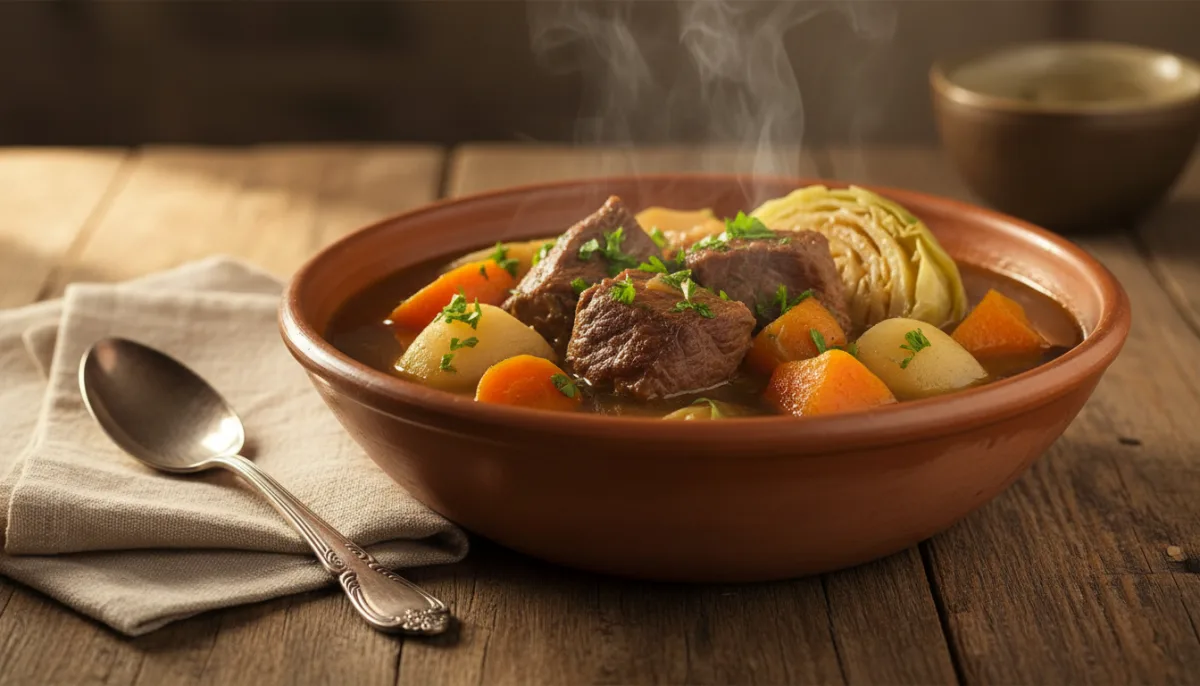
Beef and Root Vegetable Stew
A classic for a reason, this stew is packed with flavor and nutrients.
- Ingredients: Beef chuck (cut into cubes), carrots, potatoes, parsnips, celery, onion, garlic, beef broth, red wine (optional), tomato paste, bay leaf, fresh rosemary and thyme.
- Method: Brown the beef, then sauté the vegetables. Deglaze with wine if using, add broth, tomato paste, herbs, and beef. Simmer gently on the stovetop or in a slow cooker until the beef is fork-tender.
- Make-Ahead Tip: Stews are ideal for making ahead. The flavors deepen overnight. It reheats well on the stovetop or in the microwave.
Hearty Chickpea and Spinach Stew
A flavorful vegetarian option that's just as satisfying as its meat-based counterparts.
- Ingredients: Canned chickpeas, diced tomatoes, spinach, onion, garlic, vegetable broth, smoked paprika, cumin, a pinch of cayenne (optional), fresh cilantro.
- Method: Sauté onion and garlic, add spices, then tomatoes, broth, and chickpeas. Simmer for 15-20 minutes. Stir in spinach until wilted. Garnish with fresh cilantro.
- Make-Ahead Tip: This stew holds up well in the refrigerator for several days. Add fresh spinach just before serving if you prefer it less cooked down.
Tips for Making Soups and Stews Ahead
The beauty of these dishes lies in their ability to be prepared in advance, making weeknight meals a breeze.
- Cool Completely Before Storing: Always allow your soup or stew to cool to room temperature before refrigerating or freezing. This prevents bacterial growth and protects your refrigerator's temperature.
- Portion for Convenience: Store in individual serving containers or in meal-sized portions. This makes reheating quick and easy.
- Freezing Guidelines: Most soups and stews freeze well for up to 3 months. Avoid freezing dishes with delicate dairy components (like cream or milk) as they can sometimes separate upon thawing. If a recipe calls for cream, consider adding it after thawing and reheating.
- Thawing and Reheating: Thaw frozen soups and stews in the refrigerator overnight. Reheat gently on the stovetop over medium-low heat, stirring occasionally, until heated through. You may need to add a splash of broth or water if it has thickened too much.
- Garnishes Fresh: Add fresh herbs, a dollop of yogurt, a sprinkle of cheese, or a squeeze of lemon juice just before serving to brighten flavors and add texture.
Frequently Asked Questions
Q: Can I use frozen vegetables in soups and stews?
A: Absolutely! Frozen vegetables are a convenient and nutritious option. They can be added directly to the pot, often without thawing, though they might release more water, so adjust cooking time or liquid slightly.
Q: My soup is too thin. How can I thicken it?
A: There are several ways: you can simmer it longer to reduce the liquid, mash some of the cooked vegetables directly in the pot, or create a slurry of cornstarch or flour mixed with a little cold water and stir it in gradually while simmering.
Q: How long do homemade soups and stews last in the refrigerator?
A: Generally, homemade soups and stews will last safely in an airtight container in the refrigerator for 3-4 days. Always use your best judgment regarding smell and appearance.
Warmth in Every Spoonful
There's a unique satisfaction that comes from a bowl of homemade soup or stew on a cold evening. Whether you're simmering a classic beef stew or a vibrant lentil soup, these dishes offer more than just nourishment; they offer comfort, tradition, and a wonderful way to gather around the table. Experiment with different ingredients, embrace the slow cooking process, and enjoy the delicious warmth these winter staples bring.