

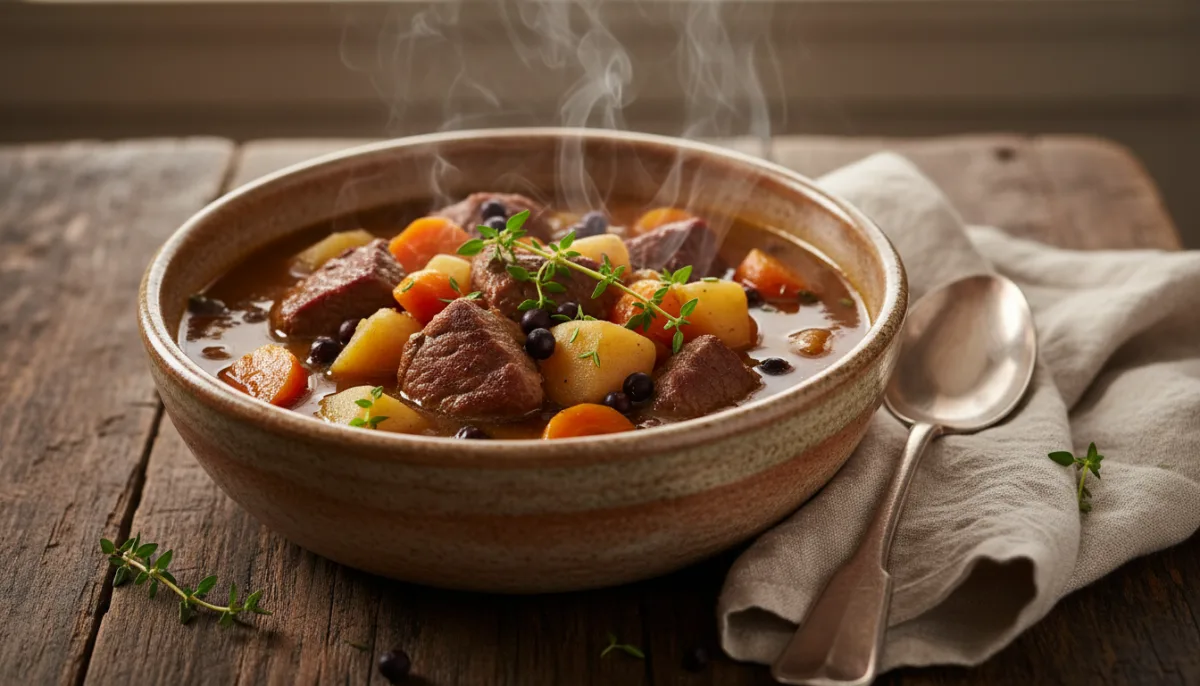
Embracing Winter's Earthy TreasuresAs the days grow shorter and the air crisper, our thoughts often turn to comforting, hearty meals. While many vegetables fade with the frost, a trio of unsung heroes truly shines during the colder months: carrots, parsnips, and celery root. Often relegated to supporting roles in stews or simple…
Embracing Winter's Earthy Treasures
As the days grow shorter and the air crisper, our thoughts often turn to comforting, hearty meals. While many vegetables fade with the frost, a trio of unsung heroes truly shines during the colder months: carrots, parsnips, and celery root. Often relegated to supporting roles in stews or simple roasts, these root vegetables possess a remarkable versatility and depth of flavor that deserves a spotlight. Beyond their nutritional benefits, their unique textures and sweet, earthy notes can elevate a wide range of dishes, transforming everyday meals into something truly special.
Let's embark on a culinary journey to rediscover these winter staples, moving beyond the expected to unlock their full potential in your kitchen.
Carrots: More Than Just a Side Dish
Carrots, with their vibrant color and natural sweetness, are a kitchen workhorse. While delicious roasted, their versatility extends far beyond. Their inherent sweetness makes them suitable for both savory and sweet applications.
- Silky Carrot & Ginger Puree: Instead of just mashing, try pureeing cooked carrots with a touch of fresh ginger, a splash of coconut milk, and a hint of lime juice. This creates a vibrant, warming side dish that pairs beautifully with roasted chicken or fish.
- Carrot Ribbon Salad with Citrus Vinaigrette: Use a vegetable peeler to create thin ribbons of raw carrots. Toss them with toasted pecans, crumbled goat cheese, and a light vinaigrette made with orange juice, olive oil, and a touch of honey. This offers a refreshing crunch and bright flavor.
- Spiced Carrot & Walnut Muffins: Harness their natural sweetness in baking. Grated carrots add moisture and flavor to muffins, quick breads, or even a simple carrot cake. Pair with warming spices like cinnamon, nutmeg, and a hint of cardamom.
Parsnips: The Sweet & Savory Star
Parsnips, often mistaken for white carrots, offer a distinct, slightly spicy sweetness that deepens when cooked. Their starchy texture makes them excellent for purees and gratins.
- Creamy Parsnip & Apple Soup: Sauté chopped parsnips and apples until tender, then simmer in vegetable broth. Blend until smooth and finish with a swirl of cream or coconut milk for a comforting, subtly sweet soup. The apple's tartness balances the parsnip's sweetness beautifully.
- Parsnip Gratin with Gruyere: Thinly slice parsnips and layer them in a baking dish with a rich cream sauce infused with garlic and thyme. Top with grated Gruyere cheese and bake until bubbly and golden. This makes a luxurious side dish for any winter meal.
- Roasted Parsnip Fries with Rosemary: Cut parsnips into fry shapes, toss with olive oil, fresh rosemary, salt, and pepper. Roast until tender and slightly caramelized. These offer a healthier, more flavorful alternative to potato fries.
Celery Root (Celeriac): The Earthy Enigma
Celery root, or celeriac, might look a bit intimidating with its gnarled exterior, but beneath its rough skin lies a delicate, earthy flavor reminiscent of celery with nutty undertones. It's surprisingly versatile and adds a sophisticated touch to dishes.
- Celery Root & Potato Mash: Replace half of your usual potatoes with cooked celery root for a lighter, more flavorful mash. The celery root adds a subtle earthiness and reduces the overall starchiness. Finish with butter, milk, and a pinch of nutmeg.
- Shaved Celery Root Remoulade: Finely julienne raw celery root (or use a mandoline for very thin strips). Toss with a classic remoulade sauce made from mayonnaise, Dijon mustard, capers, cornichons, and fresh herbs like parsley and chives. This makes an excellent side for roasted meats or a vibrant salad on its own.
- Celery Root & Leek Gratin: Similar to the parsnip gratin, thinly sliced celery root layers beautifully with sautéed leeks in a creamy sauce. The leeks' sweetness complements the celery root's earthiness, creating a harmonious and comforting dish.
Combining Forces: A Trio of Flavor
These root vegetables also work wonderfully together, their individual flavors complementing each other to create complex and satisfying dishes.
- Root Vegetable Roast with Herbs: Cut carrots, parsnips, and celery root into similar-sized chunks. Toss with olive oil, fresh thyme, rosemary, salt, and pepper. Roast until tender and caramelized. A simple yet incredibly flavorful side.
- Winter Root Vegetable Hash: Dice all three vegetables and sauté them with onions and garlic until tender. Finish with fresh parsley and a fried egg on top for a hearty breakfast or brunch.
Tips for Success with Root Vegetables
- Peeling: Use a sturdy vegetable peeler. For celery root, it's often easier to trim the top and bottom, then stand it upright and slice downwards to remove the thick skin.
- Cutting: Aim for uniform pieces when roasting or boiling to ensure even cooking.
- Sweetness: Roasting tends to bring out the natural sugars in these vegetables, leading to a sweeter, more caramelized flavor.
- Storage: Store root vegetables in a cool, dark place or in the crisper drawer of your refrigerator. They generally keep well for several weeks.
Frequently Asked Questions
Q: Can I substitute one root vegetable for another in recipes?
A: While they share some characteristics, each has a unique flavor profile. Carrots and parsnips can often be swapped in savory dishes, though the parsnip will add a more pronounced, spicier sweetness. Celery root has a distinct earthy, celery-like flavor that is harder to replicate. For best results, stick to the recipe or understand how the flavor will change.
Q: How do I prevent root vegetables from becoming mushy when cooked?
A: The key is to avoid overcooking. When boiling or steaming, check for doneness frequently with a fork – they should be tender but not falling apart. For roasting, ensure your oven is hot enough to encourage caramelization rather than just steaming.
Q: Are these root vegetables good for you?
A: Absolutely! Carrots are rich in beta-carotene (Vitamin A), parsnips provide fiber and Vitamin C, and celery root offers Vitamin K and dietary fiber. They are all excellent sources of essential nutrients and contribute to a balanced diet.
This winter, let's celebrate the humble root vegetable. With a little creativity, carrots, parsnips, and celery root can transform your meals, bringing warmth, flavor, and nutrition to your table. Experiment with these ideas, and discover your own favorite ways to enjoy these earthy treasures!