
Introduction: The Humble Mushroom's Hidden DepthsMushrooms are often relegated to a quick sauté, a supporting role in stir-fries, or a topping for pizza. While delicious in these applications, this approach barely scratches the surface of their culinary potential. These fascinating fungi are packed with natural glutamates, the c…
Introduction: The Humble Mushroom's Hidden Depths
Mushrooms are often relegated to a quick sauté, a supporting role in stir-fries, or a topping for pizza. While delicious in these applications, this approach barely scratches the surface of their culinary potential. These fascinating fungi are packed with natural glutamates, the compounds responsible for the savory fifth taste known as umami. By understanding how different cooking methods interact with mushroom cells, we can unlock and amplify this umami, transforming them from simple ingredients into flavor powerhouses.
Moving beyond the pan opens up a world of textures and intensified flavors. Let's explore how to coax the most profound savory notes from your favorite fungi, from delicate oyster mushrooms to robust portobellos.
The Science of Umami: Why Mushrooms Deliver
Umami isn't just a buzzword; it's a fundamental taste sensation that signals the presence of amino acids, particularly glutamate. Mushrooms are naturally rich in these compounds. When cooked, especially through methods that involve dehydration or slow cooking, the cell walls break down, releasing and concentrating these umami-rich molecules. This is why a deeply roasted mushroom tastes so much more intense than a raw one.
Maximizing Umami: Key Principles
- Moisture Management: Reducing water content concentrates flavor.
- Browning: Maillard reactions create complex, savory notes.
- Slow Cooking: Allows flavors to meld and deepen over time.
- Breaking Down Cell Walls: Releases internal flavor compounds.
Beyond the Sauté: Diverse Cooking Methods
1. Roasting: The Umami Intensifier
Roasting is perhaps one of the most effective ways to bring out the deep, earthy umami in mushrooms. The dry heat of an oven encourages moisture evaporation and promotes browning, leading to a concentrated flavor and a pleasingly chewy texture.
How to Roast for Maximum Flavor:
- Clean and Cut: Brush mushrooms clean; avoid washing unless absolutely necessary, as they absorb water. Cut larger mushrooms into uniform pieces.
- Minimal Oil: Toss lightly with a high smoke point oil (like avocado or grapeseed) and a pinch of salt and pepper. Over-oiling can steam them.
- Single Layer: Spread mushrooms in a single layer on a baking sheet. Overcrowding leads to steaming, not roasting.
- High Heat: Roast at 400-425°F (200-220°C) for 20-30 minutes, stirring halfway, until deeply browned and tender.
Best for: Cremini, shiitake, oyster, portobello, king oyster.
2. Braising and Stewing: Slow-Cooked Savory Depths
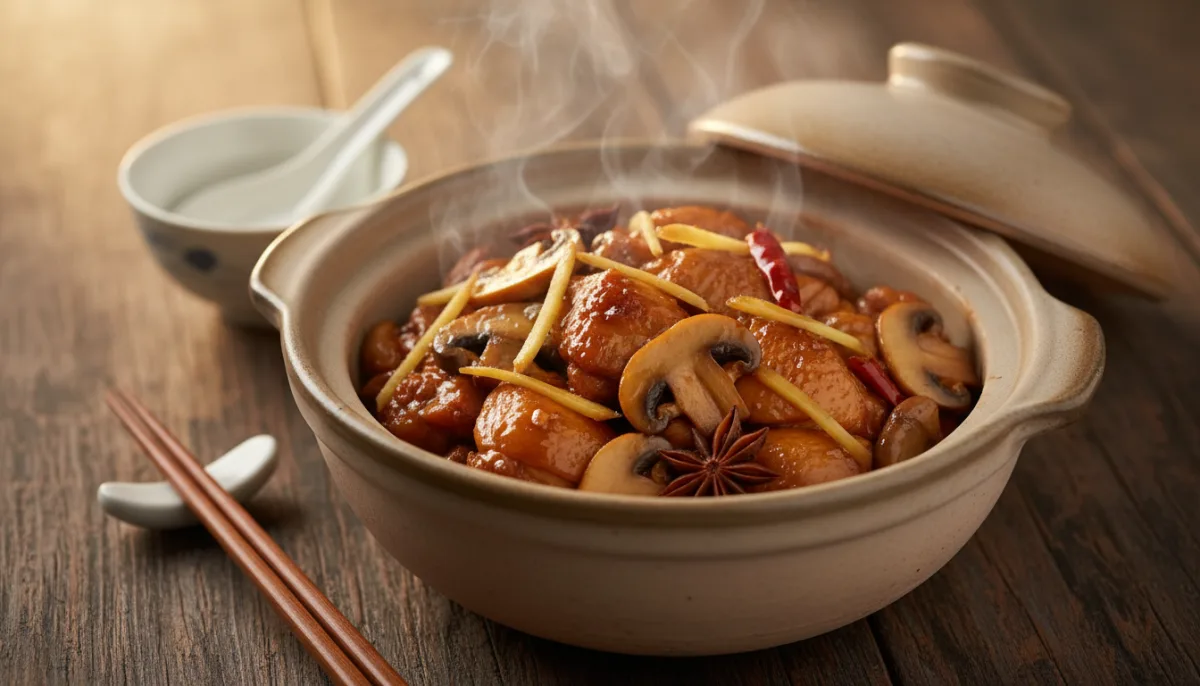
While roasting concentrates flavor through dehydration, braising and stewing achieve a similar depth through slow, moist heat. This method allows mushrooms to absorb the flavors of the braising liquid while releasing their own umami into the sauce, creating a rich, cohesive dish.
Braising Tips:
- Sear First: For an extra layer of flavor, quickly sear mushrooms in a hot pan before adding them to the braising liquid.
- Flavorful Liquid: Use vegetable broth, wine, soy sauce, or a combination.
- Low and Slow: Simmer gently for an extended period until mushrooms are tender and the liquid has reduced and thickened.
Best for: Heartier mushrooms like shiitake, portobello, cremini, or dried mushrooms (rehydrated).
3. Mushroom Broths and Stocks: The Liquid Gold
A well-made mushroom broth is an umami bomb in liquid form. It can be the foundation for soups, risottos, sauces, or simply enjoyed on its own. This method extracts the water-soluble umami compounds, creating a deeply savory base.
Crafting a Potent Broth:
- Ingredients: Use a mix of fresh and dried mushrooms (dried shiitake are particularly potent), along with aromatics like onions, garlic, carrots, and celery.
- Simmer, Don't Boil: Gently simmer ingredients for at least an hour, or up to several hours, to extract maximum flavor without clouding the broth.
- Strain and Reduce: Strain solids and, if desired, reduce the broth further to concentrate its flavor.
Best for: Any mushroom, especially dried shiitake, porcini, and trimmings from fresh mushrooms.
4. Mushroom Powders: The Umami Dust
For an instant umami boost, mushroom powder is an invaluable pantry staple. It's essentially concentrated mushroom flavor that can be sprinkled into almost anything – soups, stews, sauces, rubs, or even scrambled eggs.
Making Your Own Powder:
- Dehydrate: Slice mushrooms thinly and dehydrate them in a dehydrator or a low oven (around 150°F/65°C) until completely brittle.
- Grind: Once fully dry, grind them into a fine powder using a spice grinder or a clean coffee grinder.
- Store: Store in an airtight container in a cool, dark place.
Best for: Dried shiitake, porcini, cremini, or a mix of various mushrooms.
Tips for Success with Any Method
- Don't Wash, Brush: Mushrooms are like sponges. Wiping them with a damp cloth or a mushroom brush is usually sufficient. If you must wash, do so quickly and pat them thoroughly dry.
- Give Them Space: Whether roasting or sautéing, avoid overcrowding the pan or baking sheet. This allows moisture to evaporate and promotes browning.
- Season Thoughtfully: Salt enhances umami. A touch of acid (lemon juice, vinegar) at the end can brighten flavors.
- Embrace Dried Mushrooms: Dried mushrooms, especially shiitake and porcini, are umami powerhouses. Rehydrate them and use the soaking liquid in your cooking.
Frequently Asked Questions
Q: Can I use frozen mushrooms for these methods?
A: While fresh is generally preferred for texture, frozen mushrooms can work, especially for broths, stews, or purees where texture is less critical. They will release more water, so adjust cooking times accordingly, especially for roasting.
Q: What's the best way to store fresh mushrooms?
A: Store fresh mushrooms in a paper bag in the refrigerator. The paper bag allows them to breathe and prevents moisture buildup, which can lead to spoilage. Avoid plastic bags.
Q: Are all mushrooms equally umami-rich?
A: No, there's a spectrum. Shiitake, porcini, and cremini (baby bellas) are particularly known for their high umami content. White button mushrooms have a milder flavor, but their umami can still be enhanced through proper cooking.
Conclusion: Elevate Your Mushroom Experience
By moving beyond the simple sauté, you unlock a world of intense, savory flavors that mushrooms are uniquely capable of delivering. Whether you're roasting them to a golden crisp, slow-cooking them into a rich stew, or transforming them into a versatile powder, embracing these diverse cooking methods will elevate your culinary creations and allow you to truly experience the umami bomb that is the humble mushroom.