

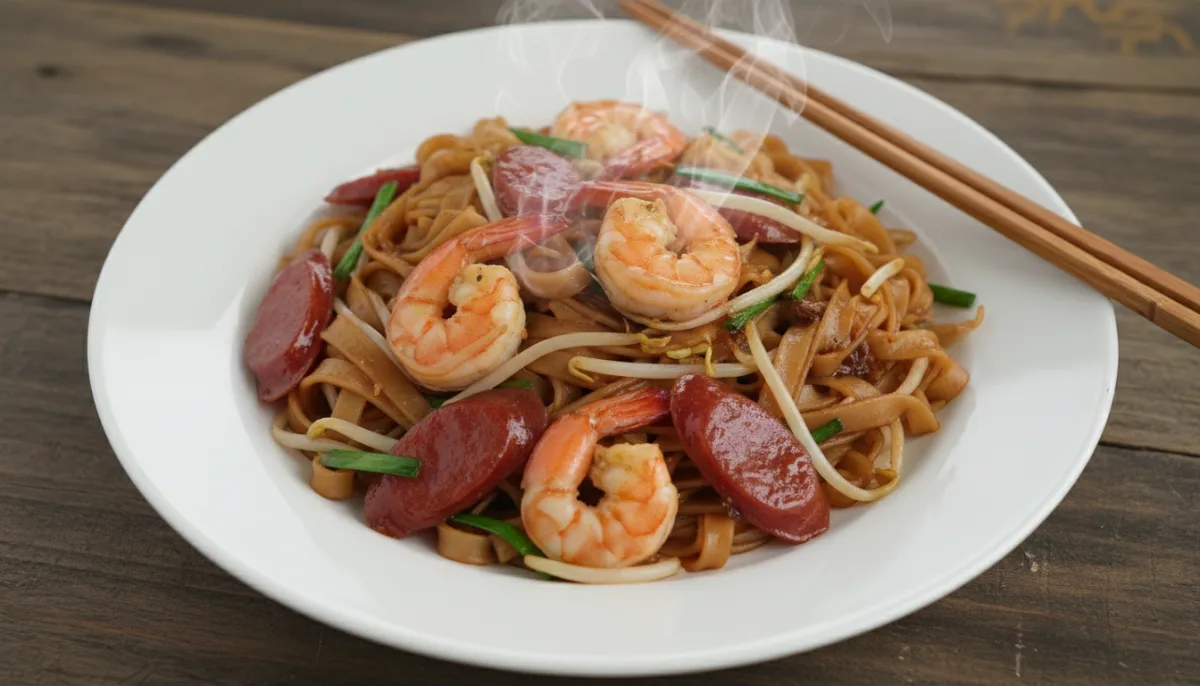
The Elusive Fifth Taste: What is Umami? We're all familiar with sweet, sour, salty, and bitter. But there's another fundamental taste that plays a crucial role in making food truly delicious and satisfying: umami. Often described as savory, meaty, or brothy, umami isn't a flavor in itself but rather a taste that enhances and dee…
The Elusive Fifth Taste: What is Umami?
We're all familiar with sweet, sour, salty, and bitter. But there's another fundamental taste that plays a crucial role in making food truly delicious and satisfying: umami. Often described as savory, meaty, or brothy, umami isn't a flavor in itself but rather a taste that enhances and deepens other flavors, creating a more complex and well-rounded culinary experience. It's that lingering, pleasant sensation that makes you want another bite.
The concept of umami was first identified in Japan in the early 20th century by Kikunae Ikeda, who discovered that glutamates, particularly monosodium glutamate (MSG), were responsible for the distinctive savory taste in dashi, a traditional Japanese broth. Since then, scientific research has confirmed umami as a distinct taste, with specific receptors on our tongues designed to detect it.
At its core, umami signals the presence of amino acids, particularly glutamate, aspartate, and nucleotides like inosinate and guanylate. These compounds are naturally present in many foods and are often associated with ripeness, fermentation, or slow cooking processes. When these umami compounds interact, they create a synergistic effect, amplifying the savory sensation even further.
Why Umami Matters in Your Kitchen
Incorporating umami into your cooking isn't just about making food taste good; it's about making it taste great. A dish rich in umami feels more substantial and satisfying, even if it's plant-based. It can reduce the need for excessive salt, as umami naturally enhances perceived saltiness. It also adds a layer of complexity that can elevate simple ingredients into something extraordinary.
Think about a perfectly ripe tomato, a slow-simmered stew, or a piece of aged cheese. What makes them so appealing? It's often their inherent umami. By understanding and intentionally adding umami-rich ingredients, you gain a powerful tool to transform your everyday meals from good to unforgettable.
Key Umami-Rich Ingredients to Stock
The good news is that many common ingredients are packed with umami. Here's a list to get you started:
From the Pantry:
- Soy Sauce: A classic for a reason. Its fermentation process creates abundant glutamates.
- Miso Paste: Fermented soybeans offer a deep, complex umami, perfect for soups, marinades, and dressings.
- Tomato Paste: Concentrated tomatoes are a powerhouse of glutamate. A little goes a long way.
- Dried Mushrooms (especially Shiitake and Porcini): Drying concentrates their natural guanylates, providing an intense umami boost. Rehydrate them and use the soaking liquid too!
- Nutritional Yeast: A favorite among plant-based cooks, it offers a cheesy, savory flavor due to its glutamate content.
- Worcestershire Sauce: A complex blend of fermented ingredients, anchovies, and spices that delivers a savory punch.
- Ketchup: The concentrated tomatoes and fermentation contribute to its umami profile.
From the Fridge:
- Parmesan Cheese (and other aged cheeses): The aging process breaks down proteins into amino acids, creating a rich umami flavor.
- Anchovies: Don't be scared! When cooked, they dissolve and provide a deep, savory background note without tasting fishy.
- Mushrooms (fresh): Cremini, shiitake, and oyster mushrooms are particularly good sources of umami.
- Ripe Tomatoes: As tomatoes ripen, their glutamate content increases significantly.
- Eggs: Especially the yolks, contain glutamates.
From the Sea:
- Seaweed (Kombu, Nori): Kombu is a cornerstone of dashi and is incredibly rich in glutamates.
- Fish Sauce: Another fermented powerhouse, offering intense savory depth to many cuisines.
Practical Tips for Infusing Umami into Your Cooking
Now that you know what umami is and where to find it, here's how to put it into practice:
1. Layer Umami-Rich Ingredients
Don't rely on just one ingredient. Combine different sources of umami for a more complex and synergistic effect. For example, sauté mushrooms with a splash of soy sauce and a dollop of tomato paste for a deeply savory base.
2. Embrace Browning and Maillard Reaction
The browning of food (the Maillard reaction) creates new flavor compounds, many of which contribute to umami. Searing meats, roasting vegetables, or toasting nuts all enhance their savory qualities.
3. Slow and Low Cooking
Longer cooking times, like in stews, braises, and stocks, allow proteins to break down into amino acids, naturally increasing umami. Think of a rich bone broth or a slow-cooked ragu.
4. Utilize Fermented Foods
Fermentation is a natural umami factory. Miso, soy sauce, fish sauce, kimchi, and even aged cheeses are excellent ways to introduce this savory depth.
5. Don't Discard the Soaking Liquid
When rehydrating dried mushrooms, the soaking liquid is packed with umami. Strain it and add it to your soups, sauces, or braises.
6. A Pinch of Paste
Keep tomato paste and miso paste handy. A small spoonful added to sauces, soups, or even scrambled eggs can make a noticeable difference in flavor depth.
7. The Power of a Garnish
A sprinkle of Parmesan cheese, a few flakes of nutritional yeast, or some toasted nori can add a final touch of umami to a finished dish.
Umami in Action: Everyday Examples
- Soups and Stews: Add a parmesan rind to your simmering broth, a spoonful of miso paste at the end, or rehydrated dried mushrooms.
- Sauces: Whisk in a bit of tomato paste, a dash of Worcestershire, or a few drops of fish sauce to deepen the flavor of gravies and pasta sauces.
- Vegetables: Roast vegetables with a drizzle of soy sauce or a sprinkle of nutritional yeast. Sauté mushrooms until deeply browned.
- Marinades: Incorporate soy sauce, miso, or even a touch of anchovy paste into your marinades for meats and tofu.
- Dressings: A touch of miso or a finely grated hard cheese can elevate a simple vinaigrette.
Frequently Asked Questions About Umami
Q: Is MSG the same as umami?
A: MSG (monosodium glutamate) is a pure form of glutamate, which is one of the primary compounds responsible for the taste of umami. So, while MSG delivers umami, umami itself is a broader taste sensation found naturally in many foods due to the presence of glutamates and other compounds.
Q: Can I add too much umami?
A: While umami enhances flavor, balance is key in cooking. Too much of any single strong flavor can overwhelm a dish. The goal is to create a harmonious blend where umami provides depth without dominating. Start with small amounts and taste as you go.
Q: Is umami only found in savory foods?
A: While umami is most commonly associated with savory dishes, it can also play a subtle role in balancing sweetness. For instance, the slight umami in ripe tomatoes can enhance the overall flavor profile of a dish that also contains sweet elements.
By consciously incorporating umami-rich ingredients and techniques into your cooking, you'll discover a whole new dimension of flavor. It's a simple yet profound way to make your meals more satisfying, complex, and utterly delicious.