

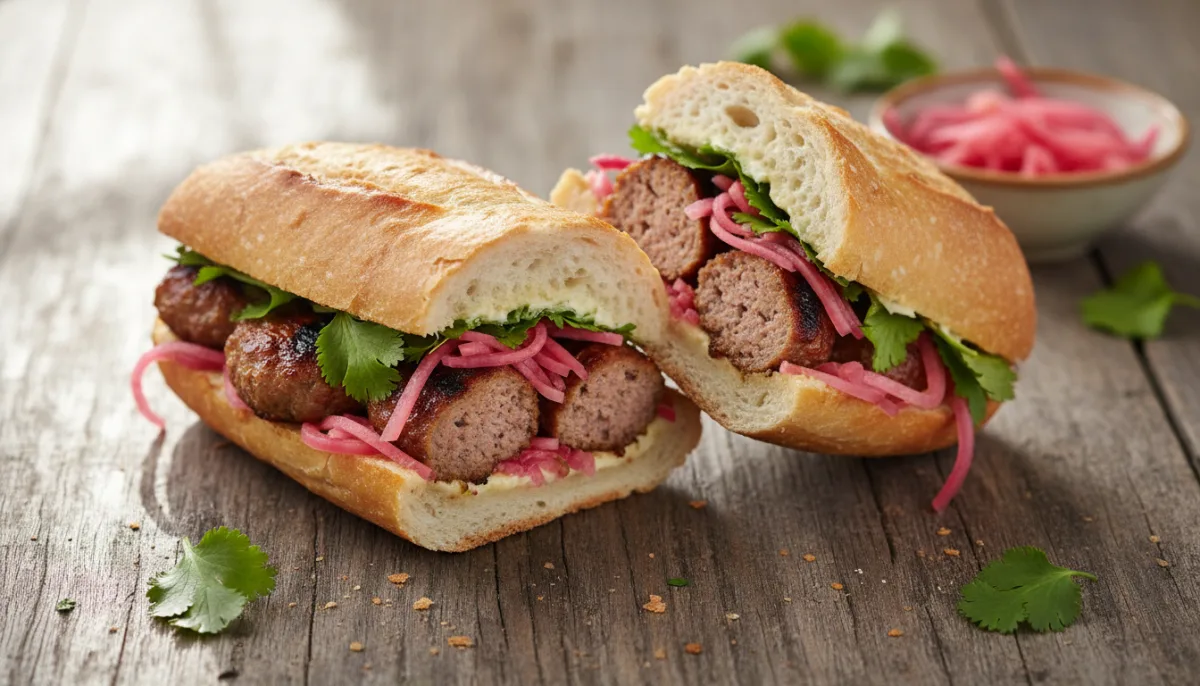
Introduction: Navigating the Meat Counter with Confidence Stepping up to the meat counter can sometimes feel like deciphering a secret code. With names like 'skirt steak,' 'pork shoulder,' and 'chicken thigh,' it's easy to feel overwhelmed. But understanding where these cuts come from on the animal, what their texture implies, a…
Introduction: Navigating the Meat Counter with Confidence
Stepping up to the meat counter can sometimes feel like deciphering a secret code. With names like 'skirt steak,' 'pork shoulder,' and 'chicken thigh,' it's easy to feel overwhelmed. But understanding where these cuts come from on the animal, what their texture implies, and how best to cook them is a game-changer for any home cook. This guide aims to demystify the world of meat, empowering you to make informed choices that lead to delicious results every time.
Beef: From Tough to Tender, a Cut for Every Dish
Beef offers an incredible range of flavors and textures, largely depending on how much the muscle was used during the animal's life. Muscles that do more work tend to be tougher but are often packed with flavor, benefiting from slow cooking. Less-used muscles are naturally more tender and suit quicker cooking methods.
Forequarter Cuts (Front of the Animal)
- Chuck: This large section comes from the shoulder and neck. It's well-exercised, making it flavorful but tough.
- Ideal for: Pot roasts, stews, ground beef, braising. Think slow cooking to break down connective tissue.
- Brisket: From the lower chest, brisket is a tough cut with a lot of connective tissue.
- Ideal for: Smoking, slow roasting, corned beef. Patience is key here for tender results.
- Shank: The leg portion, very lean and tough.
- Ideal for: Osso buco, stews, making rich beef stock.
Loin and Rib Cuts (Middle of the Animal)
These cuts are generally more tender and often more expensive due to their desirable texture.
- Rib: From the upper rib cage, this area is known for tenderness and marbling.
- Ideal for: Prime rib roasts, ribeye steaks (cut from the rib section), grilling, roasting.
- Short Loin: Located behind the ribs, this is where some of the most prized steaks come from.
- Ideal for: T-bone, porterhouse, and strip steaks. Best for grilling, pan-searing, broiling.
- Sirloin: A large section behind the short loin, offering good flavor and moderate tenderness.
- Ideal for: Sirloin steaks (grilling, pan-searing), roasts. Versatile for many quick-cooking methods.
Hindquarter Cuts (Rear of the Animal)
- Round: From the rear leg, this is a lean, less tender cut.
- Ideal for: Roasts (often needs moist heat), thin slices for stir-fries, ground beef.
- Flank & Skirt: From the abdominal muscles, these are long, flat, flavorful cuts with distinct grain.
- Ideal for: Fajitas, stir-fries, grilling (slice against the grain for tenderness). Marinating helps.
Pork: Versatility from Nose to Tail
Pork is incredibly versatile, offering cuts suitable for everything from quick weeknight meals to slow-cooked feasts. Like beef, the tenderness of pork cuts often correlates with how much the muscle was used.
Shoulder and Leg Cuts
- Pork Shoulder (Boston Butt & Picnic Shoulder): These are flavorful, well-marbled cuts from the front leg and shoulder. They are tough but become incredibly tender with slow cooking.
- Ideal for: Pulled pork, slow roasts, stews, braising.
- Pork Loin: A long, lean, and tender cut running along the back.
- Ideal for: Roasts, chops (cut from the loin), grilling, pan-searing. Be careful not to overcook, as it can dry out.
- Pork Tenderloin: The most tender cut, very lean and quick-cooking.
- Ideal for: Quick pan-searing, roasting, grilling. Excellent for medallions.
- Ham (Fresh or Cured): Comes from the hind leg. Fresh ham is often roasted, while cured ham is a staple for many occasions.
- Ideal for: Roasting (fresh ham), baking, slicing (cured ham).
Ribs and Belly
- Pork Ribs (Baby Back, Spare Ribs): These are flavorful and benefit from slow cooking to become tender.
- Ideal for: Grilling, smoking, baking, braising.
- Pork Belly: A fatty, flavorful cut from the underside of the pig.
- Ideal for: Curing into bacon, slow roasting for crispy skin, braising.
Poultry: Chicken and Turkey Essentials
Chicken and turkey are staples in many kitchens, prized for their lean protein and adaptability. While they don't have as many distinct 'cuts' as beef or pork, understanding the differences between white and dark meat is key.
Chicken
- Breast: White meat, very lean and quick-cooking. Can dry out if overcooked.
- Ideal for: Grilling, pan-frying, baking, stir-fries, shredding for salads.
- Thighs: Dark meat, more flavorful and forgiving than breast meat due to higher fat content.
- Ideal for: Roasting, grilling, braising, stews, curries. Excellent for dishes where you want rich flavor.
- Drumsticks: Dark meat, similar to thighs but with a bone, making them great for hands-on eating.
- Ideal for: Roasting, grilling, frying, braising.
- Wings: Dark meat, popular for appetizers and snacks.
- Ideal for: Frying, baking, grilling, often served with sauces.
- Whole Chicken: Offers a mix of white and dark meat, great for roasting or spatchcocking.
- Ideal for: Roasting, grilling, breaking down into individual pieces.
Turkey
Similar to chicken, turkey offers white meat (breast) and dark meat (thighs, drumsticks). The principles for cooking are much the same, though turkey is generally larger and requires longer cooking times.
- Breast: Lean white meat, often sold as a whole breast or cutlets.
- Ideal for: Roasting, grilling, slicing for sandwiches.
- Thighs & Drumsticks: Flavorful dark meat, excellent for slow roasting or braising.
- Ideal for: Roasting, braising, making stock.
- Whole Turkey: The classic holiday centerpiece.
- Ideal for: Roasting, smoking.
Choosing the Right Cut for Your Recipe and Budget
Now that you know the basics, how do you choose?
- Consider the Cooking Method: If your recipe calls for quick searing, opt for tender cuts like tenderloin or ribeye. For slow braising, choose tougher, more flavorful cuts like chuck, brisket, or pork shoulder.
- Think About Flavor and Texture: Do you want something lean and mild (chicken breast) or rich and robust (pork belly)?
- Factor in Your Budget: Generally, the more tender cuts (loin, rib) are more expensive. Don't shy away from tougher, less expensive cuts; with the right cooking method, they can be incredibly delicious and economical.
- Look for Quality: Regardless of the cut, look for meat with good color, firm texture, and appropriate marbling (streaks of fat) for the type of meat. Avoid anything with a strong, off odor or excessive liquid in the packaging.
FAQs for the Home Cook
- What does 'marbling' mean and why is it important?
Marbling refers to the small flecks and streaks of intramuscular fat within a cut of meat. It's important because this fat melts during cooking, adding moisture, flavor, and tenderness to the meat. Good marbling is especially desirable in cuts meant for quick, high-heat cooking like grilling. - Can I substitute one cut for another?
Sometimes, yes, but it depends on the cooking method. You can often substitute similar cuts within the same animal if they have similar fat content and tenderness (e.g., pork loin for pork tenderloin, adjusting cooking time). However, substituting a tough cut for a tender one in a quick-cooking recipe will likely yield tough results. Always consider the recommended cooking method for the original cut. - Why are some cuts so much more expensive than others?
Price differences are primarily due to demand and the amount of muscle available on the animal. Tender, highly desirable cuts like beef tenderloin or ribeye are in limited supply and are therefore more expensive. Tougher, larger cuts like chuck or pork shoulder are more abundant and generally more budget-friendly. - What's the best way to store fresh meat?
Store fresh meat in its original packaging in the coldest part of your refrigerator, typically on the bottom shelf to prevent any drips from contaminating other foods. Use within 1-2 days for ground meat and poultry, and 3-5 days for larger cuts of beef and pork, or freeze for longer storage.
Conclusion
Understanding the different cuts of meat is a fundamental skill for any home cook. It's not about memorizing every single name, but rather grasping the principles: where the cut comes from, what its texture implies, and how that dictates the best cooking approach. With this knowledge, you're well-equipped to choose wisely at the meat counter, cook with confidence, and bring delicious, perfectly prepared meals to your table.