
Introduction: Your Kitchen, Your Canvas The weeknight dinner dilemma is a familiar one: you're short on time, perhaps a little low on specific ingredients, but still want something satisfying and wholesome. Enter the stir-fry. More than just a recipe, a stir-fry is a method, a flexible framework that empowers you to create delic…
Introduction: Your Kitchen, Your Canvas
The weeknight dinner dilemma is a familiar one: you're short on time, perhaps a little low on specific ingredients, but still want something satisfying and wholesome. Enter the stir-fry. More than just a recipe, a stir-fry is a method, a flexible framework that empowers you to create delicious meals from almost anything you have on hand. It's about understanding the components and how they work together, transforming disparate ingredients into a harmonious dish. This approach not only saves time and reduces food waste but also opens up a world of culinary creativity right in your own kitchen.
Forget rigid ingredient lists. Our goal here is to equip you with a formula that makes stir-frying intuitive and enjoyable, ensuring a balanced and flavorful meal every time. Let's dive into the core elements that make a great stir-fry.
The Core Components of a Stellar Stir-Fry
Every successful stir-fry, regardless of its specific ingredients, relies on a few key categories. Thinking in these terms will help you build a meal that's both nutritious and exciting.
1. The Protein Powerhouse
This is often the star of your stir-fry, providing substance and satiety. The beauty is, almost any protein can work.
- Meat: Thinly sliced chicken breast or thigh, beef (flank, sirloin, or skirt steak), pork loin, or even ground meat. Cut against the grain for tenderness.
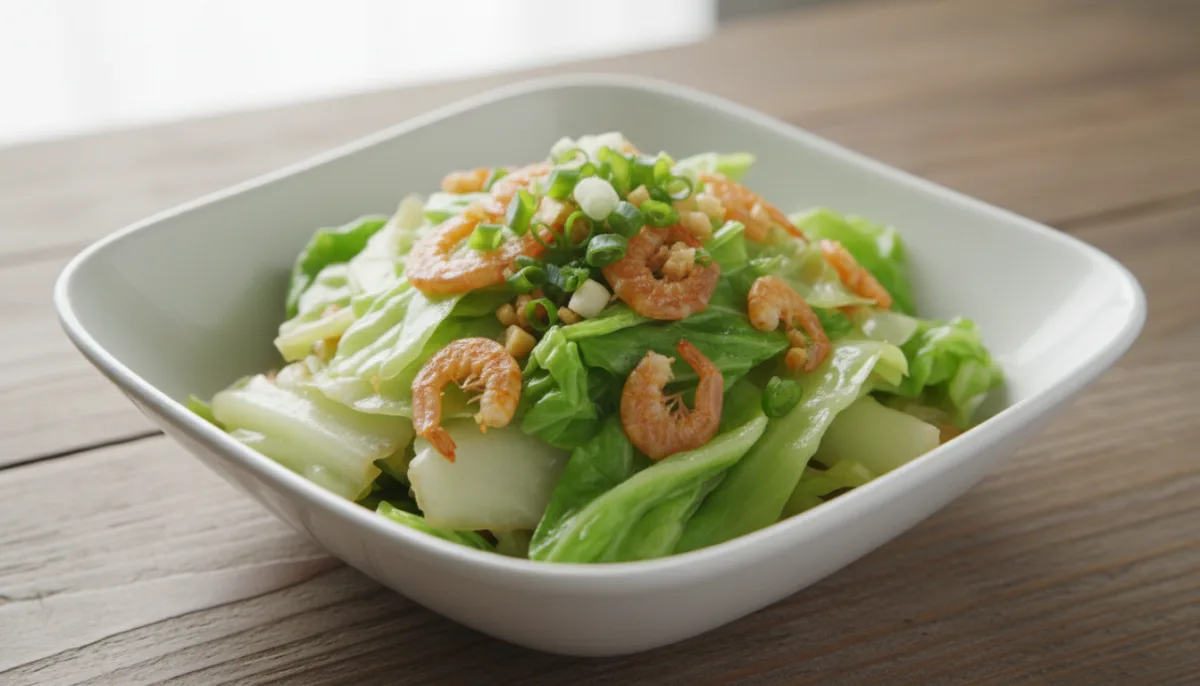
- Seafood: Shrimp, scallops, or firm white fish like cod or tilapia. These cook very quickly, so add them towards the end.
- Plant-Based: Tofu (extra-firm, pressed and cubed), tempeh, edamame, or even chickpeas. Tofu and tempeh benefit from being pan-fried or baked separately until golden before adding to the stir-fry for better texture.
Tip: Marinating your protein for even 15-30 minutes can significantly boost flavor and tenderness. A simple marinade might include soy sauce, a touch of sesame oil, ginger, garlic, and a pinch of cornstarch to help it brown nicely and create a light coating.
2. The Vegetable Variety
This is where you can truly shine in terms of using what you have and adding a spectrum of nutrients and textures. Aim for a mix of quick-cooking and slightly longer-cooking vegetables.
- Quick-Cooking (add later): Spinach, bok choy, snap peas, bell peppers (sliced), mushrooms, bean sprouts, scallions.
- Medium-Cooking (add earlier): Broccoli florets, cauliflower florets, carrots (thinly sliced or julienned), green beans, asparagus.
- Aromatic Base: Don't forget the flavor foundation! Garlic, ginger, and sometimes onion or shallots are crucial. These are typically added first to infuse the oil.
Tip: Cut vegetables into similar-sized pieces to ensure even cooking. Harder vegetables like carrots and broccoli can be blanched briefly before stir-frying if you prefer them very tender, or simply added a few minutes before softer vegetables.
3. The Flavorful Sauce
The sauce brings everything together, coating your ingredients in a delicious glaze. A good stir-fry sauce balances savory, sweet, tangy, and sometimes spicy notes.
- Savory Base: Soy sauce (or tamari for gluten-free), oyster sauce (for umami depth, optional), fish sauce.
- Sweetness: A touch of honey, maple syrup, brown sugar, or hoisin sauce.
- Acidity: Rice vinegar or lime juice brightens the flavors.
- Aromatics/Spice: Sesame oil (added at the very end for best flavor), chili garlic sauce, sriracha, or a pinch of red pepper flakes for heat.
- Thickener: A slurry of cornstarch (1-2 teaspoons mixed with an equal amount of cold water) added at the end will thicken the sauce to a glossy consistency.
Basic Sauce Formula: Start with 2 tablespoons soy sauce, 1 tablespoon rice vinegar, 1 teaspoon sugar/honey, 1 teaspoon sesame oil, 1/2 teaspoon grated ginger, 1/2 teaspoon minced garlic, and a pinch of red pepper flakes. Adjust to your taste and the volume of your ingredients.
4. The Foundation: Oil and Heat
A good stir-fry needs high heat and the right oil. Use an oil with a high smoke point, such as canola, grapeseed, peanut, or avocado oil. The goal is to cook quickly, searing the ingredients rather than steaming them.
The Weeknight Stir-Fry Method: Step-by-Step
Once you have your components ready, the actual cooking process is swift.
- Prep Everything First (Mise en Place): This is crucial for stir-frying. Have all your protein sliced, vegetables chopped, and sauce mixed and ready to go. The cooking happens fast, so you won't have time to chop mid-way.
- Heat the Wok/Skillet: Place your wok or large skillet over high heat. Add a tablespoon or two of high smoke point oil. Let it get shimmering hot, almost smoking.
- Cook the Protein: Add your protein in a single layer (cook in batches if necessary to avoid overcrowding, which steams rather than sears). Stir-fry until browned and mostly cooked through. Remove from the wok and set aside.
- Sauté Aromatics: Add a little more oil if needed. Add minced garlic, ginger, and any onions/shallots. Stir-fry for about 30 seconds until fragrant.
- Add Vegetables: Start with harder vegetables (broccoli, carrots) and stir-fry for 2-3 minutes. Then add softer vegetables (bell peppers, mushrooms, snap peas) and stir-fry for another 1-3 minutes until crisp-tender.
- Return Protein & Add Sauce: Return the cooked protein to the wok. Give your prepared sauce a quick stir (especially if it has cornstarch) and pour it over everything.
- Thicken and Finish: Stir constantly for 1-2 minutes until the sauce thickens and coats all the ingredients. If using, stir in delicate greens like spinach or bok choy until just wilted.
- Serve Immediately: Serve your stir-fry hot over rice, noodles, or quinoa. Garnish with sesame seeds, chopped scallions, or fresh cilantro if desired.
Troubleshooting Common Stir-Fry Issues
- Soggy Vegetables: This usually happens from overcrowding the pan or not using high enough heat. Cook in batches if your pan isn't large enough, and ensure your wok is screaming hot.
- Bland Flavor: Don't be shy with aromatics (garlic, ginger) and ensure your sauce is well-balanced. Taste and adjust the sauce before adding it to the pan. A splash of extra soy sauce or a squeeze of lime at the end can make a big difference.
- Dry Protein: Overcooking is the culprit. Remove protein as soon as it's cooked through and add it back only at the very end to coat with sauce. Marinating also helps keep it moist.
Frequently Asked Questions
Q1: Can I use frozen vegetables in a stir-fry?
A1: Yes, absolutely! Frozen vegetables are a convenient option. There's no need to thaw them beforehand. Add them directly to the hot wok after your aromatics. They might release a bit more water, so ensure your heat is high to allow the moisture to evaporate quickly, preventing a soggy result.
Q2: What's the best way to cut meat for stir-frying?
A2: For tenderness and quick cooking, always slice meat thinly (about 1/4 inch thick) and against the grain. This shortens the muscle fibers, making the meat easier to chew. Partially freezing the meat for 15-20 minutes before slicing can make it much easier to get uniform, thin pieces.
Q3: How can I make my stir-fry healthier?
A3: To boost the health factor, focus on increasing the vegetable-to-protein ratio. Use lean proteins, and be mindful of the amount of oil and sugar in your sauce. You can also serve your stir-fry over brown rice, quinoa, or cauliflower rice for added fiber and nutrients.
Conclusion: Your Stir-Fry Journey Begins
The weeknight stir-fry formula is more than just a cooking technique; it's a mindset. It encourages adaptability, reduces waste, and puts you in control of your meals. With this framework, you're no longer bound by specific recipes but empowered to create endless variations based on what you have and what you love. So, open your fridge, survey your pantry, and get ready to transform simple ingredients into a vibrant, flavorful, and perfectly balanced weeknight meal.