

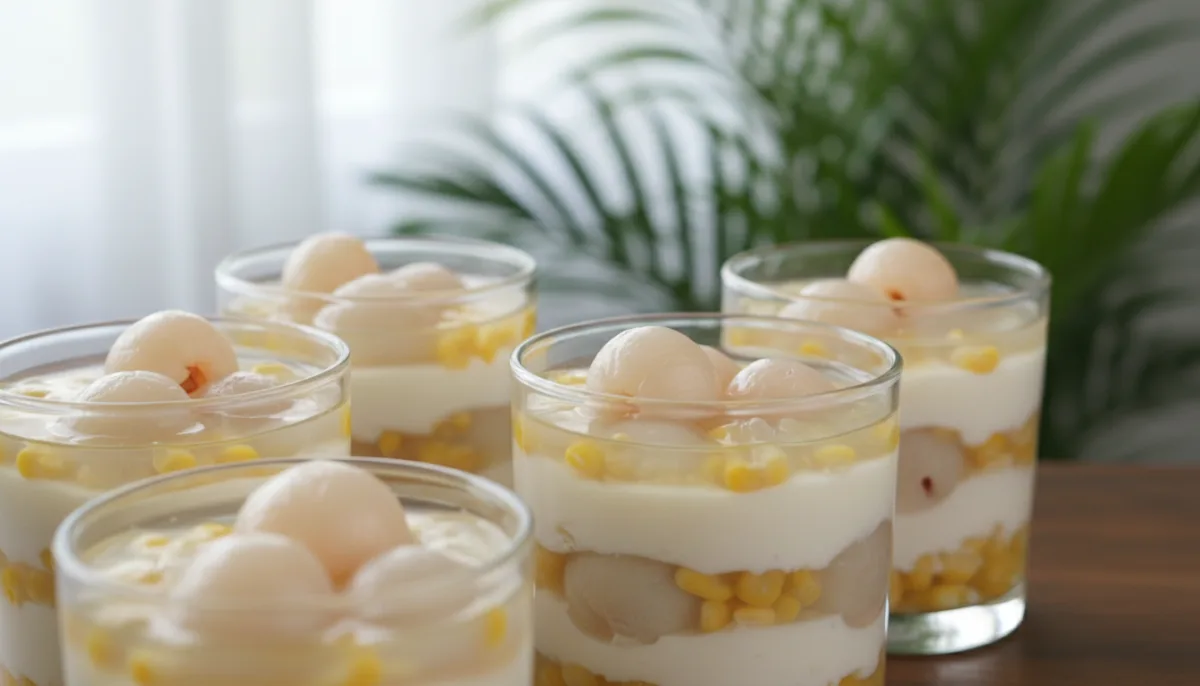
Introduction: The Art of the Agile Kitchen In a world that often celebrates the new, there's a quiet satisfaction in reimagining the familiar. Our kitchens, often bustling hubs of activity, can also be places of surprising efficiency and creativity, especially when it comes to leftovers. Instead of viewing yesterday's dinner as …
Introduction: The Art of the Agile Kitchen
In a world that often celebrates the new, there's a quiet satisfaction in reimagining the familiar. Our kitchens, often bustling hubs of activity, can also be places of surprising efficiency and creativity, especially when it comes to leftovers. Instead of viewing yesterday's dinner as a culinary dead end, consider it a springboard for tomorrow's delicious adventure. This article explores practical strategies for meal planning that not only reduce food waste but also inject a fresh sense of purpose into your cooking routine. By embracing the 'flexible fridge' mindset, you'll discover how to transform ingredients you already have into exciting new meals, saving time, money, and effort.
Understanding Your Inventory: The Fridge Audit
Before you even think about new recipes, take a moment to understand what you already possess. This isn't just about checking expiration dates; it's about seeing potential. A quick 'fridge audit' can be incredibly illuminating.
- Open and Observe: Look at every shelf, drawer, and container. What's lurking in the back?
- Categorize: Group similar items. Do you have a lot of cooked chicken? A surplus of roasted vegetables? Half a can of beans?
- Assess Freshness: Prioritize items that need to be used soonest. This helps prevent spoilage.
- Identify 'Anchor' Ingredients: These are the larger quantities of cooked food (like a whole roasted chicken, a big batch of rice, or a pot of chili) that can form the base of multiple new meals.
Once you have a clear picture of your edible assets, you're ready to start planning with purpose.
Strategic Meal Planning: Building Around What You Have
The core of flexible meal planning is to integrate existing ingredients into your weekly menu, rather than always starting from scratch. This approach encourages adaptability and reduces the need for last-minute grocery runs.
The 'Cook Once, Eat Thrice' Principle
This principle is a cornerstone of efficient cooking. When you prepare a main component, think about how it can be repurposed. For example:
- Roasted Chicken: Night one, serve with sides. Night two, shred for tacos or a sandwich filling. Night three, use in a soup or a quick stir-fry.
- Cooked Grains (Rice, Quinoa, Farro): Excellent as a side, but also perfect for grain bowls, fried rice, or as a base for stuffed peppers.
- Roasted Vegetables: Enjoy as a side dish, then blend into a soup, add to an omelet, or mix into a pasta sauce.
Theme Nights with a Twist
Instead of rigid meal plans, consider flexible themes that allow for ingredient substitution. For instance:
- Taco Tuesday: Can use leftover ground meat, shredded chicken, roasted vegetables, or even beans as fillings.
- Pasta Night: A versatile canvas for leftover proteins, sautéed vegetables, or even a simple sauce made from canned tomatoes and herbs.
- Soup/Stew Day: An ideal way to combine various leftover vegetables, proteins, and broths into a comforting meal.
Creative Transformations: Beyond Reheating
The real magic happens when you transform leftovers into something entirely new, rather than just warming them up. A change in texture, flavor profile, or presentation can make a world of difference.
Flavor Boosters and Texture Changes
Small additions can dramatically alter a dish:
- Herbs and Spices: Fresh cilantro, parsley, basil, or a pinch of cumin or smoked paprika can completely change the character of a dish.
- Acids: A squeeze of lemon or lime juice, a splash of vinegar, or a dollop of yogurt can brighten flavors.
- Crunch: Toasted nuts, croutons, crispy fried onions, or fresh raw vegetables can add much-needed texture.
- Sauces and Dressings: A new dressing can turn a simple salad into a gourmet experience. A quick homemade sauce can elevate plain protein.
Common Leftover Transformations
- Leftover Rice: Fried rice, rice bowls with a fried egg and fresh vegetables, rice pudding, or even rice cakes.
- Cooked Chicken/Beef: Quesadillas, stir-fries, curries, sandwiches, wraps, salads, or added to a frittata.
- Roasted Vegetables: Blended into a creamy soup, added to a quiche or omelet, mixed into a pasta dish, or served cold in a grain salad.
- Cooked Pasta: Baked pasta dishes, pasta salads, or even pan-fried with an egg for a quick breakfast.
- Stale Bread: Croutons, breadcrumbs, French toast, or panzanella salad.
Practical Tips for Success
- Proper Storage: Invest in good quality, airtight containers. Label and date your leftovers to keep track.
- Portion Control: Cook slightly more than you need for one meal, but not so much that it overwhelms your fridge.
- Designate a 'Leftover Shelf': Keep all your ready-to-use ingredients in one visible spot in the fridge.
- Keep a 'Use It Up' List: A small whiteboard or note on the fridge listing items that need to be consumed soon can be a great reminder.
- Embrace the Freezer: Many cooked components (like shredded chicken, cooked beans, or even portions of soup) freeze beautifully for later use.
FAQs: Your Flexible Fridge Questions Answered
Q: How long are most cooked leftovers safe to eat?
A: Generally, most cooked leftovers are safe to eat within 3-4 days if stored properly in the refrigerator at 40°F (4°C) or below. Always use your best judgment; if something smells or looks off, it's best to discard it.
Q: What are some quick ways to add flavor to bland leftovers?
A: A squeeze of citrus (lemon, lime), a dash of hot sauce, fresh herbs, a sprinkle of cheese, toasted nuts or seeds for crunch, or a quick homemade vinaigrette can instantly elevate bland leftovers.
Q: Can I freeze all types of leftovers?
A: While many foods freeze well, some do not. Dairy-based sauces can sometimes separate, and certain vegetables (like lettuce or cucumber) become watery. Cooked meats, grains, and most cooked vegetables generally freeze well. Always cool food completely before freezing.
Q: How can I make sure my family is excited about eating leftovers?
A: The key is transformation! Don't just reheat the same meal. Turn leftover chicken into tacos, rice into fried rice, or roasted vegetables into a frittata. A change in presentation or flavor profile makes it feel like a new dish.
Conclusion: A More Mindful Kitchen
Adopting a flexible fridge approach to meal planning is more than just a way to save money or reduce waste; it's a pathway to a more mindful and creative kitchen. By seeing the potential in what you already have, you unlock a world of culinary possibilities, making your cooking journey more efficient, enjoyable, and sustainable. So, next time you open your refrigerator, look beyond yesterday's meal and envision tomorrow's delicious creation.