

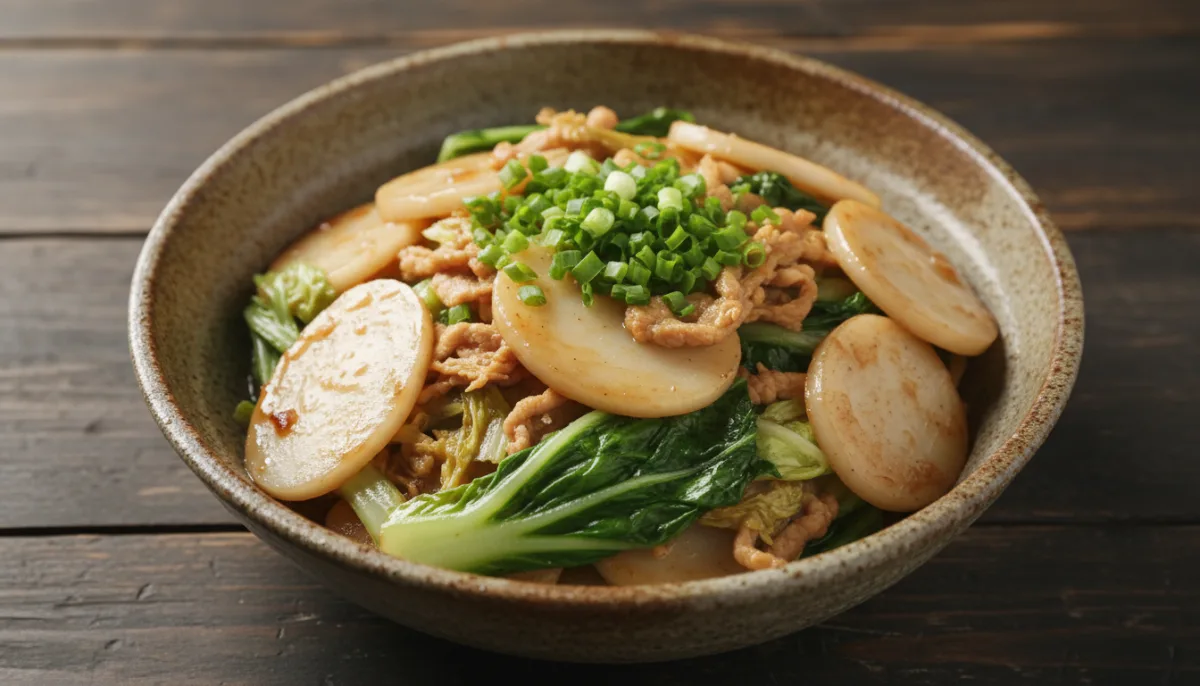
Introduction: The Smart Approach to Weeknight Meals In our busy lives, finding time to prepare nutritious and flavorful meals can feel like a constant challenge. The allure of takeout is strong, but the desire for home-cooked goodness often remains. What if there was a way to enjoy diverse, satisfying meals without spending hour…
Introduction: The Smart Approach to Weeknight Meals
In our busy lives, finding time to prepare nutritious and flavorful meals can feel like a constant challenge. The allure of takeout is strong, but the desire for home-cooked goodness often remains. What if there was a way to enjoy diverse, satisfying meals without spending hours in the kitchen every single night? Enter the 'Cook Once, Eat Thrice' strategy. This practical framework is designed for busy home cooks who want to maximize flavor and minimize effort by intelligently utilizing core ingredients.
The premise is simple: prepare a larger batch of a versatile base ingredient once, then creatively transform it into three entirely different meals throughout the week. This approach not only saves precious time but also encourages culinary creativity, reduces food waste, and often leads to healthier eating habits. Let's explore how to put this effective strategy into practice.
Understanding the 'Cook Once, Eat Thrice' Philosophy
At its heart, this strategy is about efficiency and versatility. It's not about eating the same meal three times; it's about leveraging a foundational component to build varied culinary experiences. The key lies in selecting the right core ingredients and having a plan for their transformation.
Choosing Your Core Ingredient Wisely
The success of the 'Cook Once, Eat Thrice' method hinges on selecting a versatile base. Look for ingredients that:
- Cook well in larger batches: Think grains, legumes, roasted vegetables, or proteins that can be easily scaled up.
- Hold up well in the refrigerator: They should maintain their texture and flavor for several days.
- Are neutral enough to take on different flavor profiles: This allows for diverse meal transformations.
- Are cost-effective: Buying in bulk often saves money.
Examples of Excellent Core Ingredients:
- Roasted Chicken: A whole roasted chicken can provide meat for sandwiches, salads, and stir-fries.
- Cooked Grains: Quinoa, brown rice, or farro are excellent bases for bowls, salads, and even stuffed vegetables.
- Lentils or Chickpeas: These legumes can form the basis of soups, stews, salads, or even veggie burgers.
- Roasted Root Vegetables: Carrots, potatoes, sweet potatoes, and parsnips can be repurposed in many ways.
- Ground Meat (Beef, Turkey, or Plant-Based): Cooked and seasoned, it can become tacos, pasta sauce, or a chili base.
The Framework: From Base to Three Distinct Meals
Let's walk through a practical example using a popular and versatile core ingredient: Roasted Chicken Breast.
Step 1: Prepare Your Core Ingredient
Roast a larger batch of boneless, skinless chicken breasts. Season simply with salt, pepper, garlic powder, and a touch of olive oil. Cook until done, then let cool slightly before shredding or dicing. Store in an airtight container in the refrigerator.
Step 2: Meal One - The Classic
Chicken & Roasted Vegetable Bowls: Combine a portion of your shredded chicken with a generous serving of roasted seasonal vegetables (broccoli, bell peppers, zucchini) and a scoop of cooked quinoa or brown rice. Drizzle with a light vinaigrette or a tahini dressing. This is a fresh, balanced, and satisfying meal.
Step 3: Meal Two - The Transformation
Creamy Chicken & Spinach Pasta: Sauté some garlic and onions, add a handful of fresh spinach until wilted. Stir in a splash of chicken broth and a touch of cream cheese or a dairy-free alternative until melted and smooth. Add another portion of your shredded chicken and toss with cooked pasta. A sprinkle of Parmesan or nutritional yeast finishes this comforting dish.
Step 4: Meal Three - The Reinvention
Chicken & Black Bean Tacos/Burrito Bowls: Warm the remaining shredded chicken with some taco seasoning. Serve in warm tortillas with black beans, corn, salsa, avocado, and a dollop of Greek yogurt or sour cream for tacos. Alternatively, serve over a bed of lettuce or rice for a delicious burrito bowl. This offers a completely different flavor profile and texture.
Tips for Success with 'Cook Once, Eat Thrice'
- Plan Ahead: Before you start cooking, have a clear idea of your three meals. This prevents decision fatigue later.
- Vary Flavors: Ensure each meal has a distinct flavor profile. Don't just add different sides; change the seasonings, sauces, and accompanying ingredients.
- Utilize Your Freezer: If you cook a very large batch, freeze portions of the cooked core ingredient for future 'Cook Once, Eat Thrice' cycles.
- Keep it Simple: The goal is to reduce effort. Don't overcomplicate the subsequent meals. Focus on quick additions and assembly.
- Stock Your Pantry: Having staples like canned beans, pasta, rice, and various spices on hand makes meal transformation much easier.
- Don't Forget Freshness: Even with pre-cooked components, adding fresh herbs, a squeeze of citrus, or crisp vegetables can elevate any meal.
Frequently Asked Questions
Q: How long can I safely store the cooked core ingredient?
A: Most cooked core ingredients, when stored properly in an airtight container in the refrigerator, are safe to consume within 3-4 days. Always use your best judgment and check for any signs of spoilage.
Q: What if my family doesn't like leftovers?
A: The 'Cook Once, Eat Thrice' strategy is specifically designed to avoid the feeling of eating 'leftovers.' By transforming the base ingredient into distinct new meals with different flavors and textures, it often feels like a completely new dish. Focus on variety in your transformations.
Q: Can I use this strategy for plant-based meals?
A: Absolutely! Legumes like lentils, chickpeas, or black beans, cooked grains like quinoa or farro, and roasted vegetables are excellent plant-based core ingredients. For example, a large batch of cooked lentils can become a lentil soup, a lentil shepherd's pie, and a lentil salad.
Conclusion
The 'Cook Once, Eat Thrice' strategy is more than just a cooking hack; it's a mindful approach to meal planning that empowers you to eat well, save time, and reduce waste. By investing a little effort upfront in preparing a versatile core ingredient, you unlock a week of diverse, delicious, and stress-free meals. Give it a try, and discover the freedom it brings to your kitchen!