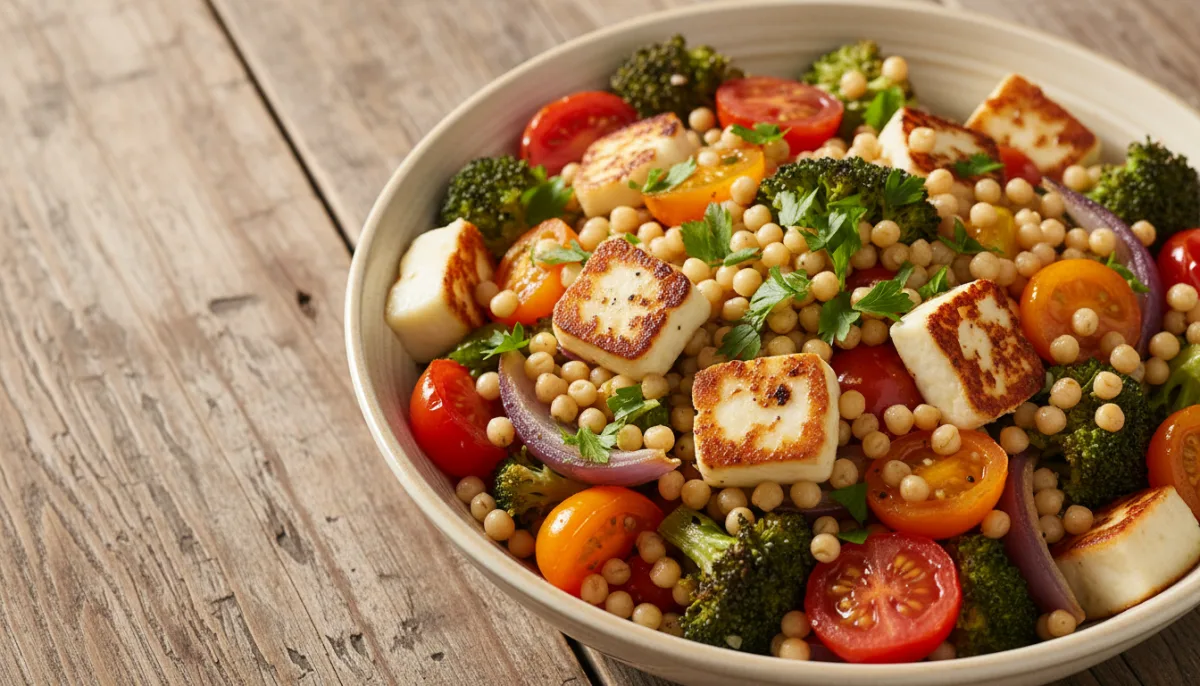


Embrace the Seasons, Embrace the SavingsGrocery shopping can often feel like a balancing act between desire and budget. We all want fresh, vibrant ingredients, but the price tag can sometimes be a deterrent. What if there was a simple, effective strategy to enjoy the best produce without breaking the bank? The answer lies in und…
Embrace the Seasons, Embrace the Savings
Grocery shopping can often feel like a balancing act between desire and budget. We all want fresh, vibrant ingredients, but the price tag can sometimes be a deterrent. What if there was a simple, effective strategy to enjoy the best produce without breaking the bank? The answer lies in understanding and utilizing seasonal eating. By aligning your meal planning with what's naturally abundant, you not only save money but also unlock a world of flavor and nutritional benefits.
Think about it: produce that's in season is typically harvested at its peak, meaning it's at its most flavorful, most nutritious, and, crucially, most affordable. When fruits and vegetables are grown locally and don't have to travel long distances or be cultivated in energy-intensive environments, their cost to consumers drops significantly. This guide will walk you through the practical steps to become a savvy seasonal shopper, transforming your grocery list and your kitchen.
Why Seasonal Shopping Makes Cents (and Sense!)
Beyond the immediate financial benefits, there are several compelling reasons to make seasonal produce a cornerstone of your cooking:
- Cost-Effectiveness: This is often the primary driver. When a crop is plentiful, its market price naturally decreases due to supply and demand.
- Superior Flavor: Produce picked at its peak ripeness, rather than prematurely for shipping, simply tastes better. Imagine the difference between a mealy, out-of-season tomato and a juicy, sun-ripened one in summer.
- Enhanced Nutrition: Fruits and vegetables allowed to mature fully on the plant often have higher concentrations of vitamins, minerals, and antioxidants.
- Environmental Benefits: Choosing seasonal and local (when possible) reduces the carbon footprint associated with long-distance transportation and artificial growing conditions.
- Variety in Your Diet: Eating seasonally encourages you to experiment with different ingredients throughout the year, preventing mealtime monotony and broadening your culinary horizons.
Your Seasonal Shopping Toolkit
Ready to dive into the world of seasonal eating? Here's how to get started:
1. Know Your Seasons
This is the foundational step. What's in season varies greatly by region and even within a single country. A quick online search for "seasonal produce [your state/region]" will yield excellent charts and calendars. Farmers' market websites are also fantastic resources. Generally, you'll find:
- Spring: Asparagus, peas, strawberries, spinach, radishes, artichokes.
- Summer: Berries, corn, tomatoes, zucchini, cucumbers, peaches, watermelon, bell peppers.
- Autumn: Apples, pumpkins, squash, sweet potatoes, cranberries, Brussels sprouts, pears.
- Winter: Citrus fruits, root vegetables (carrots, potatoes, parsnips), kale, cabbage, leeks.
2. Plan Your Meals Around What's Available
Instead of deciding on a recipe and then hunting for ingredients, flip the script. Visit your grocery store or farmers' market first, or check online flyers, to see what's on sale and in abundance. Then, let those ingredients inspire your meals. If zucchini is cheap and plentiful, think about zucchini noodles, grilled zucchini, or zucchini bread. If berries are on offer, plan for fruit salads, smoothies, or a simple crumble.
3. Embrace Versatility
Many seasonal ingredients are incredibly versatile. A single vegetable can be roasted, sautéed, steamed, grilled, or pureed into a soup. Learning different cooking methods for common seasonal items will prevent boredom and maximize your use of affordable produce.
4. Smart Storage and Preservation
Sometimes, seasonal bounty is so good and so cheap that you buy more than you can immediately use. This is where smart storage and preservation come in handy:
- Freezing: Many fruits and vegetables freeze beautifully. Blanch vegetables like broccoli or green beans before freezing. Berries can be frozen individually on a tray before bagging.
- Canning/Pickling: For the more adventurous, canning tomatoes or pickling cucumbers can extend their life for months.
- Drying: Herbs and some fruits can be dried for long-term storage.
5. Shop Strategically
- Farmers' Markets: Often the best place for truly local and seasonal produce. Don't be afraid to ask farmers what's at its peak.
- Grocery Store Sales: Keep an eye on weekly flyers. Stores often highlight seasonal items with significant discounts.
- Bulk Bins: For items like dried beans, grains, and nuts, bulk bins can offer better value, especially if you're buying larger quantities.
Seasonal Meal Ideas to Get You Started
Spring Delights
- Asparagus and Pea Risotto: Creamy, fresh, and highlights the delicate flavors of spring.
- Strawberry Spinach Salad: A light and refreshing salad with a vibrant vinaigrette.
- Roasted Radishes with Herbs: A surprisingly delicious way to enjoy radishes, mellowed by roasting.
Summer Feasts
- Caprese Salad with Heirloom Tomatoes: Simple, elegant, and bursting with summer flavor.
- Grilled Corn on the Cob: A classic for a reason, especially when corn is sweet and juicy.
- Zucchini and Bell Pepper Stir-fry: Quick, colorful, and uses abundant summer vegetables.
Autumn Comforts
- Butternut Squash Soup: Warm, hearty, and perfect for cooler evenings.
- Apple and Cranberry Crumble: A comforting dessert that celebrates autumn fruits.
- Roasted Brussels Sprouts with Balsamic Glaze: A delicious side dish that transforms this often-maligned vegetable.
Winter Warmers
- Citrus Salad with Pomegranate: Brighten up dreary winter days with a burst of fresh fruit.
- Hearty Root Vegetable Stew: A nourishing meal using affordable and long-lasting winter vegetables.
- Kale and White Bean Soup: A simple, nutritious, and filling option.
Frequently Asked Questions
Q: How do I find out what's in season in my specific area?
A: The best way is to search online for "seasonal produce calendar [your state/region]" or visit the website of your local farmers' market. Many agricultural extension offices also provide this information.
Q: Is organic produce always seasonal?
A: Not necessarily. Organic refers to the growing methods, not the seasonality. While many organic farms prioritize seasonal growing, you can find organic produce grown out of season in greenhouses or shipped from distant locations.
Q: What if I can't find a specific seasonal ingredient I want?
A: Be flexible! The beauty of seasonal eating is adapting. If one type of berry isn't available, another might be. Or, consider using frozen alternatives for items like berries or peas, which are often frozen at their peak.
Q: Does buying seasonal mean I can't eat certain foods year-round?
A: Not at all. It means prioritizing seasonal options when they are at their best and most affordable. You can still enjoy a banana in winter, but perhaps focus your main fruit purchases on citrus or apples during that time.
Q: How much money can I realistically save by eating seasonally?
A: Savings can vary, but many shoppers report significant reductions in their produce budget, often 20-40% or more, especially if they also incorporate smart meal planning and reduce food waste.
By making seasonal produce a cornerstone of your grocery strategy, you're not just saving money; you're also embracing fresher, more flavorful ingredients, supporting sustainable practices, and adding exciting variety to your kitchen. It's a win-win for your wallet and your palate!