

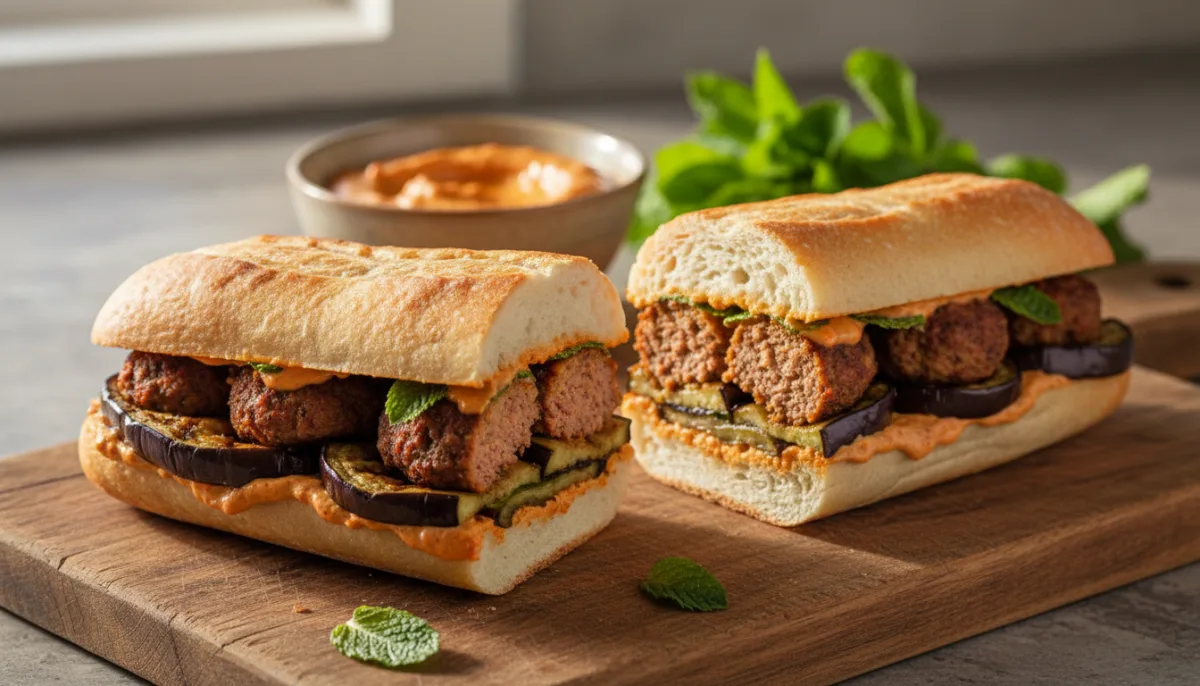
Beyond the Static List: Embracing Culinary Flexibility Meal planning often conjures images of rigid schedules and meticulously detailed grocery lists. While there's certainly value in organization, true culinary efficiency comes from flexibility. Life happens: a sudden dietary restriction, an unexpected empty shelf in the pantry…
Beyond the Static List: Embracing Culinary Flexibility
Meal planning often conjures images of rigid schedules and meticulously detailed grocery lists. While there's certainly value in organization, true culinary efficiency comes from flexibility. Life happens: a sudden dietary restriction, an unexpected empty shelf in the pantry, or simply a craving for something different. This article explores how to build a meal plan that adapts with you, ensuring delicious, satisfying meals without constant stress.
Understanding Your Culinary Landscape: Dietary Needs First
Before you even think about recipes, take stock of the dietary needs within your household. This isn't just about allergies; it includes preferences, health goals, and even what someone simply dislikes. Knowing these parameters upfront allows you to select recipes that are inherently adaptable or easily modified.
- Identify Core Restrictions: Are you cooking for gluten-free, dairy-free, vegetarian, vegan, or low-carb eaters? Make a clear list.
- Note Preferences & Dislikes: Does someone detest mushrooms? Is another person not a fan of spicy food? These are just as important for meal satisfaction.
- Consider Health Goals: Are you aiming for more fiber, less processed food, or specific nutrient intake?
Once you have this clear picture, you can approach recipes with an informed eye, looking for those that naturally fit or can be tweaked.
The Art of the Adaptable Recipe
Not all recipes are created equal when it comes to flexibility. The key is to identify recipes that have interchangeable components or can easily accommodate substitutions without compromising the dish's integrity.
H3.1. Component-Based Thinking
Instead of seeing a recipe as a fixed entity, break it down into its core components:
- Protein: Chicken, beef, fish, tofu, beans, lentils, eggs.
- Vegetables: Leafy greens, root vegetables, cruciferous vegetables, alliums.
- Carbohydrate/Starch: Rice, pasta, quinoa, potatoes, sweet potatoes, bread.
- Fat/Flavor Base: Oils, butter, aromatics (onion, garlic), spices, herbs, sauces.
Many dishes are essentially a combination of these. A stir-fry, for instance, is highly adaptable. You can swap chicken for tofu, broccoli for bell peppers, and rice for noodles, all while maintaining the stir-fry concept.
H3.2. Mastering Substitutions
Learning common substitutions is a superpower for flexible meal planning:
- Protein Swaps: Ground beef can often be replaced with ground turkey or lentils in dishes like tacos or chili. Chicken breast can become chickpeas in a curry.
- Vegetable Flexibility: Most vegetables can be swapped for others with similar cooking times or textures. Spinach for kale, carrots for sweet potatoes, bell peppers for zucchini.
- Grain Alternatives: Rice can often be swapped for quinoa, couscous, or even cauliflower rice for lower-carb options.
- Dairy-Free Options: Almond milk for cow's milk, nutritional yeast for cheesy flavor, coconut cream for heavy cream.
- Gluten-Free Choices: Use gluten-free pasta, tamari instead of soy sauce, or corn tortillas instead of flour.
The more you practice, the more intuitive these swaps become.
Leveraging Your Pantry: The Foundation of Flexibility
A well-stocked pantry isn't just about having ingredients; it's about having a strategic assortment that supports adaptable cooking. Think of it as your culinary safety net.
H3.1. The Evergreen Staples List
These are items you should always aim to have on hand, as they form the basis of countless meals:
- Grains: Rice (various types), pasta, quinoa, oats.
- Legumes: Canned beans (black, cannellini, chickpeas), dried lentils.
- Canned Goods: Diced tomatoes, tomato paste, coconut milk, broths/stocks.
- Oils & Vinegars: Olive oil, vegetable oil, apple cider vinegar, balsamic vinegar.
- Aromatics: Onions, garlic, ginger (fresh or powdered).
- Spices & Herbs: A diverse collection of dried spices (cumin, paprika, oregano, chili powder) and dried herbs (basil, thyme, rosemary).
- Condiments: Soy sauce/tamari, mustard, hot sauce, honey/maple syrup.
- Freezer Essentials: Frozen vegetables (peas, corn, spinach), frozen fruits, bread, protein (chicken breasts, ground meat).
H3.2. The "Use It Up" Mentality
Before planning new meals, take a quick inventory of what needs to be used up. This could be a lone bell pepper, half a carton of cream, or some leftover cooked grains. Build your initial meal ideas around these items. This reduces waste and encourages creative adaptation.
Building Your Flexible Meal Plan: A Step-by-Step Approach
Here’s how to put it all together into a dynamic system:
- Assess & Inventory: Check your pantry, fridge, and freezer. Note down what you have and what needs to be used.
- Review Dietary Needs: Keep your list of restrictions and preferences handy.
- Brainstorm Core Meal Concepts: Instead of specific recipes, think in terms of meal types: "Taco Night," "Pasta Dish," "Stir-fry," "Soup/Stew," "Sheet Pan Meal."
- Match Concepts to Staples & Needs: For "Taco Night," what protein do you have? Ground beef? Lentils? What veggies? Bell peppers? Onions? Can you make it gluten-free with corn tortillas?
- Select 2-3 "Anchor" Recipes: Choose a few recipes that you know well and are inherently adaptable. These are your go-to's when inspiration is low.
- Plan for Leftovers & Repurposing: Cook extra protein or grains to use in a different meal later in the week (e.g., leftover roasted chicken becomes chicken salad or part of a stir-fry).
- Keep a "Flex Day": Designate one day a week for using up odds and ends, or for a spontaneous meal out. This reduces pressure.
- Embrace the "Recipe Skeleton": Learn the basic structure of a dish (e.g., sauté aromatics, add protein, add liquid, simmer, add vegetables) and fill in the blanks with what you have.
The Benefits of a Flexible Approach
- Reduced Food Waste: You're actively using what you have.
- Less Stress: No more frantic grocery runs for one missing ingredient.
- Increased Creativity: You'll discover new flavor combinations and cooking techniques.
- Cost Savings: Making the most of your existing ingredients saves money.
- Dietary Compliance: Easily accommodate changing needs without starting from scratch.
Moving beyond rigid meal plans to embrace flexibility transforms cooking from a chore into an enjoyable, adaptive process. It empowers you to create delicious, nourishing meals that truly fit your life, your pantry, and your dietary needs.
Frequently Asked Questions
Q1: How do I start if my pantry is currently very sparse?
A1: Begin by stocking the "Evergreen Staples" list gradually. Focus on versatile items like rice, canned beans, and a few key spices. As you cook, you'll naturally identify what you use most and can build from there. Don't try to buy everything at once.
Q2: What if I'm not confident in making substitutions?
A2: Start small. Replace one vegetable in a familiar recipe, or try a different type of bean. Look for recipes that explicitly offer substitution suggestions. Over time, you'll develop a better understanding of how different ingredients behave and taste.
Q3: How can I make sure my flexible meals are still balanced nutritionally?
A3: Focus on including a protein source, a variety of vegetables (aim for different colors), and a whole grain or healthy starch in most meals. Even with substitutions, try to maintain this general structure. For example, if you swap out a starchy vegetable, replace it with another, or add a whole grain.
Q4: My family is resistant to changes. How can I introduce more flexibility?
A4: Involve them in the process! Ask for their input on what types of meals they'd like (e.g., "pasta night" vs. a specific pasta recipe). Start with subtle changes, like adding an extra vegetable to a favorite dish. Frame it as an adventure in trying new things, rather than a strict dietary change.