

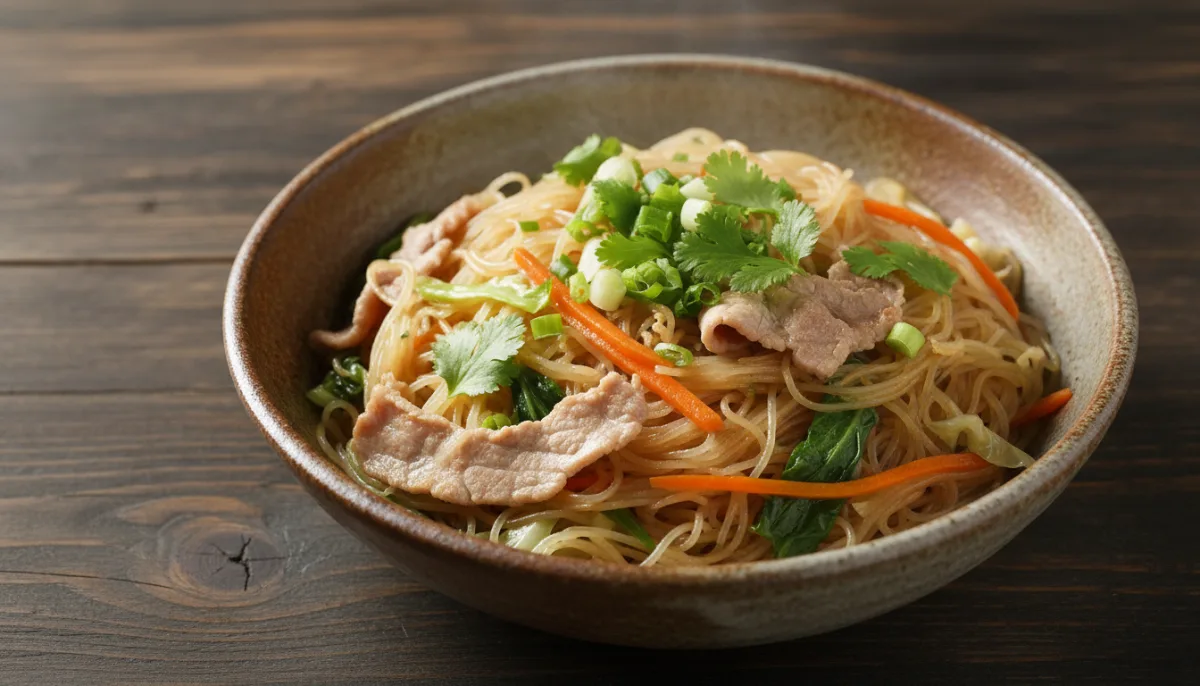
Introduction: Reclaiming Your Evenings, One Meal at a Time The end of a long day often brings with it a familiar dilemma: what's for dinner? For many, this question isn't just about food; it's a trigger for decision fatigue, a scramble for ingredients, and a race against the clock. The very act of preparing a meal can become ano…
Introduction: Reclaiming Your Evenings, One Meal at a Time
The end of a long day often brings with it a familiar dilemma: what's for dinner? For many, this question isn't just about food; it's a trigger for decision fatigue, a scramble for ingredients, and a race against the clock. The very act of preparing a meal can become another item on an already overwhelming to-do list, eroding the precious few hours of evening relaxation. But what if dinner could be a source of calm, a predictable comfort rather than a daily challenge? This article explores how to shift your approach to weeknight meals, focusing on strategies that not only streamline the cooking process but also safeguard your mental well-being.
We'll delve into practical methods for efficient meal planning and preparation, emphasizing how a little foresight can dramatically reduce stress and free up your evenings. This isn't about becoming a gourmet chef or spending an entire Sunday in the kitchen; it's about smart choices, mindful organization, and creating a sustainable routine that supports both your body and your mind.
The Mental Load of Mealtime: Why It Matters
Before we dive into solutions, let's acknowledge the problem. The 'mental load' associated with meals encompasses everything from deciding what to eat, checking for ingredients, grocery shopping, cooking, and cleaning up. This invisible labor can be exhausting, especially when combined with other daily responsibilities. When you're already feeling drained, the thought of tackling dinner can feel like an insurmountable hurdle, leading to less healthy choices, takeout, or skipped meals.
Understanding Decision Fatigue
Every choice we make throughout the day depletes our mental energy. By the time evening rolls around, our capacity for making good decisions is often diminished. This 'decision fatigue' makes it harder to choose a healthy meal, stick to a budget, or even follow a recipe. Meal prepping aims to reduce the number of decisions you need to make when you're at your lowest energy point.
The Power of Routine and Predictability
Humans thrive on routine. Knowing what to expect, even for something as simple as dinner, can provide a sense of control and reduce anxiety. A well-structured meal plan removes the uncertainty, allowing you to transition from work to relaxation more smoothly, knowing that dinner is already handled.
Strategic Planning: The Foundation of Stress-Free Dinners
Effective meal preparation begins long before you step into the kitchen. It starts with a thoughtful plan that considers your schedule, preferences, and energy levels.
1. The Weekly Meal Blueprint: Your Guiding Star
Dedicate a short, consistent block of time each week (e.g., 15-30 minutes on a Sunday) to plan your meals. This isn't about rigid adherence but about creating a flexible framework.
- Assess Your Week: Look at your calendar. Are there late meetings, evening activities, or days when you know you'll be particularly tired? Plan quick, minimal-effort meals for those days.
- Theme Nights (Optional but Helpful): Assigning themes can simplify decision-making. Examples: Meatless Monday, Taco Tuesday, Pasta Wednesday, Soup/Salad Thursday, Leftover/Flex Friday.
- Ingredient Inventory: Before planning, quickly check your pantry, fridge, and freezer. What do you already have that needs to be used? This reduces waste and saves money.
- Recipe Rotation: Keep a list of your family's favorite, easy-to-make meals. Rotate through these to prevent boredom and reduce the mental effort of finding new recipes.
2. Smart Grocery Shopping: The Supply Chain of Serenity
Once your meal blueprint is ready, create a detailed grocery list. Stick to it! Impulse buys often lead to wasted food and budget overruns.
- Categorize Your List: Group items by store section (produce, dairy, pantry, etc.) to make shopping more efficient.
- Shop Once: Aim for one main grocery trip per week to minimize time spent in stores.
- Consider Online Shopping/Delivery: If time is a major constraint, these services can be invaluable for reducing mental and physical effort.
Efficient Preparation: Maximizing Your Time and Energy
This is where the 'prep' in meal prep comes in. The goal is to do as much as possible when you have the most energy, so that weeknight cooking is a breeze.
1. The Power Hour: Batch Prep for Future You
Designate a specific time (e.g., 1-2 hours on a weekend) for batch preparation. This isn't about cooking full meals, but about getting components ready.
- Wash and Chop Produce: Prepare vegetables like onions, peppers, carrots, and leafy greens. Store them in airtight containers.
- Cook Grains: Make a large batch of rice, quinoa, or farro. These can be used as bases for bowls, sides, or additions to salads.
- Roast Vegetables: Roast a tray of mixed vegetables (broccoli, sweet potatoes, bell peppers) to add to various meals throughout the week.
- Cook Proteins: Grill or bake a large batch of chicken breast, cook ground meat, or hard-boil eggs. These versatile proteins can be used in salads, sandwiches, or main dishes.
- Prepare Dressings/Sauces: Make your own vinaigrettes or sauces that can be stored and used for multiple meals.
2. Embrace Versatility: Ingredients That Do Double Duty
Choose ingredients that can be used in multiple ways across different meals. This reduces the number of items you need to buy and prepare.
- Cooked Chicken: Can become chicken salad, tacos, stir-fry, or a topping for pasta.
- Roasted Vegetables: Great as a side, mixed into pasta, added to omelets, or blended into soup.
- Cooked Grains: Serve as a side, base for a grain bowl, or mixed into a cold salad.
3. The Art of the 'Assembly Meal'
On busy weeknights, your goal isn't to cook from scratch, but to assemble. With prepped components, many meals can come together in 15-20 minutes.
- Grain Bowls: Combine pre-cooked grain, roasted veggies, pre-cooked protein, and a prepared dressing.
- Quick Stir-Fries: Sauté pre-chopped vegetables and pre-cooked protein with a store-bought or pre-made sauce. Serve over pre-cooked rice.
- Loaded Salads: Toss pre-washed greens with pre-chopped veggies, pre-cooked protein, and a dressing.
Mindful Eating and Mental Well-being
Beyond the practicalities, remember that mealtime is also an opportunity for connection and nourishment, both for your body and your mind.
- Be Flexible: Life happens. If your plan goes awry, don't beat yourself up. Have a backup plan (e.g., a simple pasta dish, frozen pizza, or a healthy ready-meal).
- Involve Others: If you live with family or housemates, involve them in the planning or prep. This shares the mental load and can make the process more enjoyable.
- Savor the Moment: Even with quick meals, try to sit down, unplug, and enjoy your food. Mindful eating can reduce stress and improve digestion.
Conclusion: A Sustainable Path to Dinner Peace
Meal prepping for the mind isn't about perfection; it's about progress. It's about making small, consistent changes that accumulate into significant reductions in stress and an increase in your overall well-being. By investing a little time upfront in planning and preparation, you reclaim your evenings, enjoy healthier meals, and free up mental space for what truly matters. Start small, find what works for you, and watch as your weeknight dinner routine transforms from a source of dread into a predictable, peaceful part of your day.
Frequently Asked Questions
Q1: How do I avoid getting bored with the same meals every week?
A1: Variety is key! While having go-to recipes is helpful, try to rotate through a larger list of favorites. Introduce one new recipe every couple of weeks, or experiment with different spices and sauces to change the flavor profile of familiar ingredients. Theme nights can also help create variety within a structured plan.
Q2: What if I don't have a lot of time on the weekend for batch prepping?
A2: Even 30 minutes can make a difference. Focus on the highest-impact tasks: washing and chopping a few key vegetables, cooking a batch of grains, or preparing one protein. You can also spread out the prep throughout the week, doing a little bit each evening while dinner is cooking, or while you're waiting for water to boil.
Q3: How long do prepped ingredients typically last in the fridge?
A3: Most prepped ingredients, when stored properly in airtight containers, will last 3-5 days in the refrigerator. Cooked grains and proteins are generally good for 4-5 days. Washed and chopped raw vegetables can last 5-7 days, depending on the vegetable. Always use your best judgment and trust your senses.
Q4: What are some essential tools for efficient meal prepping?
A4: You don't need much! Essential tools include good quality airtight containers (glass or BPA-free plastic), a sharp chef's knife, a sturdy cutting board, and a few large mixing bowls. A sheet pan for roasting and a large pot for cooking grains are also very useful. An instant pot or slow cooker can be great for hands-off cooking.