

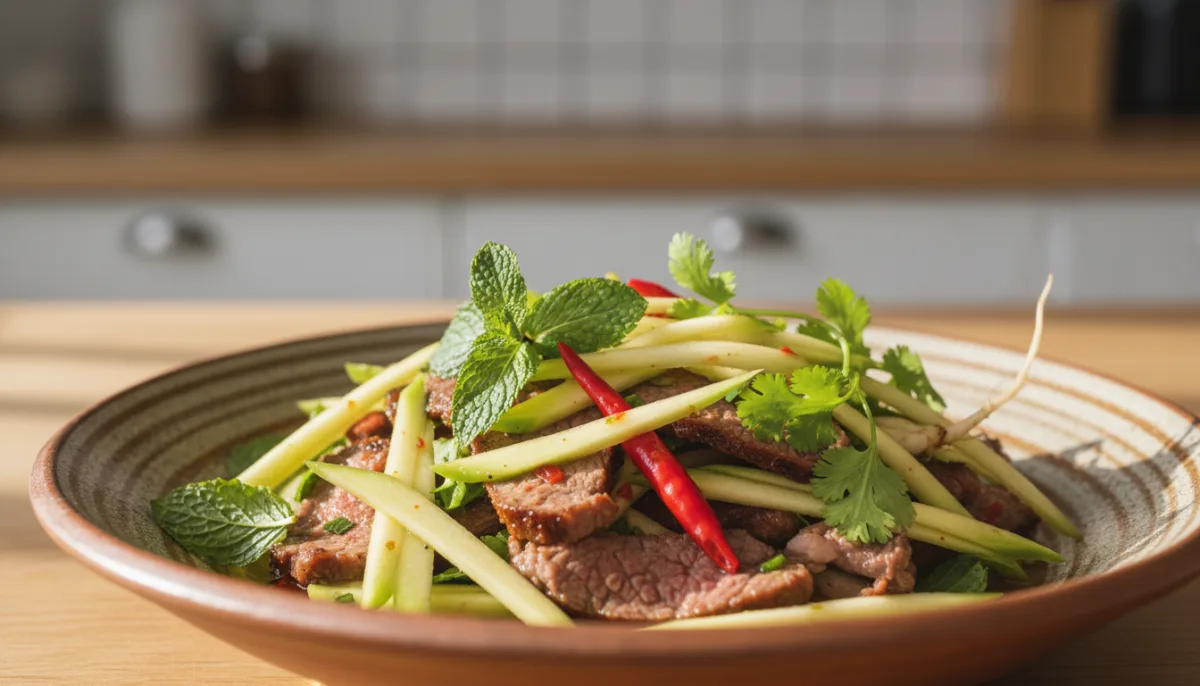
Introduction: The Wild Pantry AwaitsImagine stepping outside and discovering a pantry full of fresh, vibrant ingredients, all free for the taking. This isn't a fantasy; it's the reality of foraging. Beyond the neatly packaged produce aisles of the supermarket lies a diverse world of edible wild greens and herbs, often more nutri…
Introduction: The Wild Pantry Awaits
Imagine stepping outside and discovering a pantry full of fresh, vibrant ingredients, all free for the taking. This isn't a fantasy; it's the reality of foraging. Beyond the neatly packaged produce aisles of the supermarket lies a diverse world of edible wild greens and herbs, often more nutritious and flavorful than their cultivated counterparts. Foraging connects us to nature, offers a sustainable way to source food, and adds exciting new dimensions to our culinary adventures. This guide will help you take your first steps into this rewarding practice, focusing on common, easy-to-identify plants found in many regions.
Safety First: Essential Foraging Principles
Before you even think about plucking a leaf, understanding the fundamental rules of safe foraging is paramount. Your health depends on it.
- Positive Identification is Non-Negotiable: Never, ever eat a plant unless you are 100% certain of its identity. Many edible plants have poisonous look-alikes. When in doubt, leave it out. Use multiple reliable sources (field guides, experienced foragers) to confirm identification.
- Forage in Clean Areas: Avoid foraging near roadsides (exhaust fumes), industrial sites, agricultural fields (pesticides), or areas that may have been sprayed with chemicals. Choose clean, undisturbed natural environments.
- Permission and Respect: Always obtain permission before foraging on private land. Be mindful of local regulations regarding foraging in parks or public spaces. Take only what you need, leaving plenty for wildlife and for the plant to regenerate. Never clear an area.
- Harvest Sustainably: Only take a small percentage of what's available from any single plant or patch. This ensures the plant can continue to thrive and produce for future harvests.
- Wash Thoroughly: Always wash your foraged greens and herbs thoroughly before consumption, just as you would with store-bought produce.
Common & Easy-to-Identify Wild Edibles
Let's explore a few widespread and relatively easy-to-identify wild greens and herbs that are excellent for beginners.
Dandelion (Taraxacum officinale)
Often seen as a garden pest, the humble dandelion is a nutritional powerhouse. All parts are edible, but the young leaves are particularly prized.
- Identification: Rosette of deeply lobed leaves growing from a central taproot. Bright yellow flowers on hollow stems. Milky sap when stems are broken.
- Harvesting: Pick young, tender leaves before the plant flowers for the mildest flavor. Older leaves can be bitter.
- Culinary Uses: Young leaves are excellent in salads, stir-fries, or sautéed like spinach. Flowers can be used in fritters or wine. Roots can be roasted for a coffee substitute.
Plantain (Plantago major/lanceolata)
Another common 'weed' with broad medicinal and culinary uses.
- Identification: Broadleaf plantain (P. major) has broad, oval leaves with prominent parallel veins. Ribwort plantain (P. lanceolata) has narrower, lance-shaped leaves. Both have flower spikes.
- Harvesting: Young, tender leaves are best for eating.
- Culinary Uses: Use young leaves raw in salads or cooked like spinach. They have a mild, slightly earthy flavor.
Chickweed (Stellaria media)
A delicate, sprawling plant that often forms dense mats.
- Identification: Small, oval leaves opposite each other on slender stems. Tiny white, star-shaped flowers with five deeply notched petals, making them appear as ten. A single line of hairs runs along one side of the stem.
- Harvesting: Harvest the tender stems and leaves.
- Culinary Uses: Excellent raw in salads, sandwiches, or as a garnish. It has a fresh, mild, slightly sweet flavor.
Wild Garlic / Ramps (Allium ursinum / Allium tricoccum)
These wild members of the onion family offer a pungent, garlicky kick.
- Identification: Broad, flat, bright green leaves emerging from the ground in early spring. Distinctive garlic or onion smell when crushed. Wild garlic has white flower clusters; ramps have small white flowers on a stalk.
- Harvesting: Harvest leaves in spring. For ramps, take only one leaf per plant to allow it to regenerate.
- Culinary Uses: Use raw in pesto, salads, or finely chopped as a garnish. Cooked in stir-fries, soups, or omelets.
Incorporating Wild Greens into Your Cooking
Once you've safely identified and harvested your wild treasures, it's time to bring them into the kitchen. Treat them as you would any fresh herb or leafy green, but be mindful of their often more intense flavors.
- Salads: Young dandelion, chickweed, and plantain leaves add a fresh, peppery, or mild green note to mixed salads.
- Sautéed Greens: Dandelion, plantain, and wild garlic leaves can be quickly sautéed with a little olive oil and garlic for a nutritious side dish.
- Pesto: Wild garlic or ramp leaves make an incredibly flavorful pesto, replacing or complementing basil.
- Soups & Stews: Add chopped wild greens to the end of cooking for a boost of flavor and nutrients.
- Sandwiches & Wraps: Use fresh wild greens as a vibrant addition to your favorite sandwiches.
- Infusions: Some wild herbs, like mint or lemon balm (if found and identified), can be used to make refreshing teas.
FAQs About Foraging
Q1: How do I start learning about foraging in my specific area?
A1: Begin by investing in a good local field guide for edible plants in your region. Look for local foraging groups or workshops led by experienced foragers. Many botanical gardens or nature centers offer guided walks. Start with just one or two easily identifiable plants and build your knowledge gradually.
Q2: What tools do I need for foraging?
A2: A sturdy basket or cloth bag for collecting, a small pair of scissors or a sharp knife for clean cuts, gloves (optional, for thorny plants), and a reliable field guide are excellent starting tools. Always bring water and wear appropriate clothing for the outdoors.
Q3: Can I forage in my own backyard?
A3: Absolutely! Many common 'weeds' found in backyards are edible. Just ensure your yard hasn't been treated with pesticides or herbicides. It's a great, safe place to practice identification.
Q4: Are there any ethical considerations I should be aware of?
A4: Yes, always forage sustainably. Never take more than 10-20% of a patch to ensure the plant can regenerate. Avoid disturbing the surrounding environment. Be mindful of wildlife that also relies on these plants for food. Leave no trace behind.
Q5: What if I'm unsure about a plant's identity?
A5: If there's even a shred of doubt, do not eat it. It's better to be safe than sorry. Take photos, consult multiple field guides, or ask an experienced forager for help. Never rely on a single source for identification.
Conclusion: Embrace the Wild Flavors
Foraging is more than just gathering food; it's an opportunity to connect with nature, learn about your local ecosystem, and expand your culinary horizons. By starting with common, easy-to-identify plants and always prioritizing safety and sustainability, you can unlock a world of fresh, free, and incredibly flavorful ingredients right outside your door. Happy foraging!