

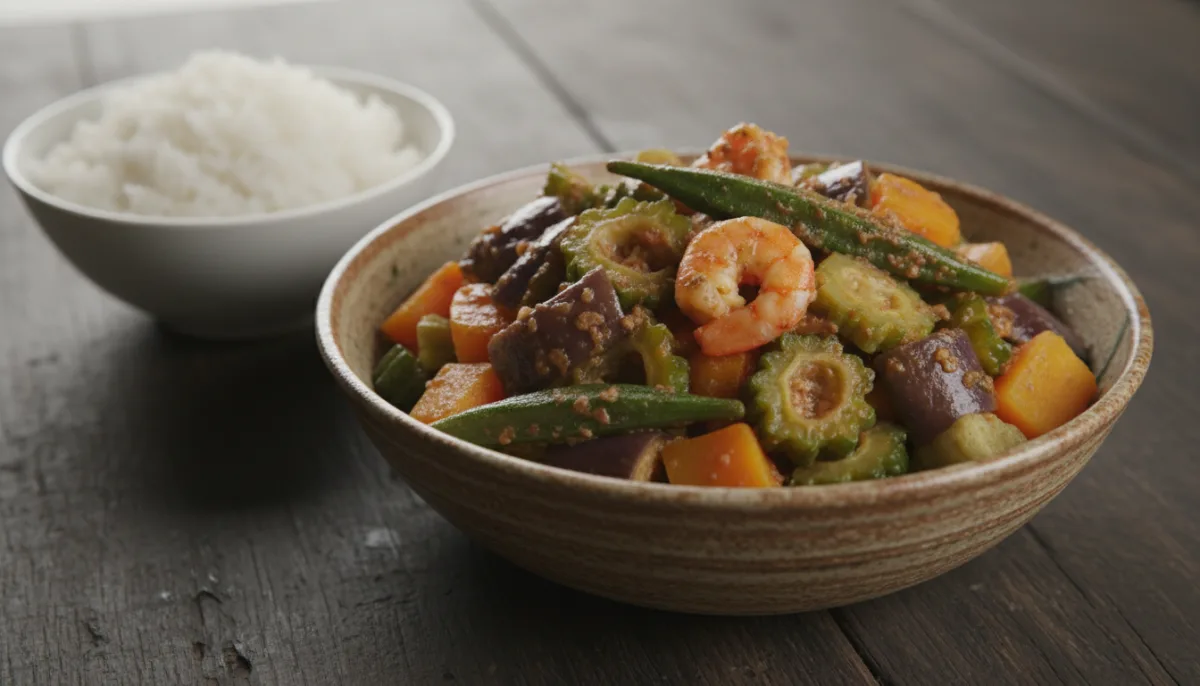
Embracing the Full Bounty of Fall As the days shorten and a crispness enters the air, our kitchens fill with the earthy aromas of autumn's bounty. Farmers' markets overflow with vibrant root vegetables, sturdy greens, and plump squash. While we often focus on the most obvious parts of these seasonal treasures, there's a world of…
Embracing the Full Bounty of Fall
As the days shorten and a crispness enters the air, our kitchens fill with the earthy aromas of autumn's bounty. Farmers' markets overflow with vibrant root vegetables, sturdy greens, and plump squash. While we often focus on the most obvious parts of these seasonal treasures, there's a world of flavor and nutrition waiting to be discovered in the often-discarded bits. This season, let's celebrate root-to-stem cooking, a mindful approach that not only reduces food waste but also unlocks new culinary possibilities and deeper flavors.
Root-to-stem cooking encourages us to see the whole vegetable as a resource. It's about appreciating the subtle differences in texture and taste from leaf to root, and finding creative ways to incorporate them into our meals. Beyond the environmental benefits of reducing waste, this method can also stretch your grocery budget further and introduce exciting new dimensions to your cooking.
Carrots: More Than Just the Root
Carrots are a staple in many fall dishes, but their feathery green tops are often overlooked. These greens are surprisingly versatile and packed with flavor.
Utilizing Carrot Tops
- Pesto Power: Carrot greens make a fantastic pesto. Blend them with garlic, nuts (walnuts or pine nuts work well), Parmesan cheese, and olive oil. It's a vibrant, slightly peppery alternative to traditional basil pesto, perfect for pasta, sandwiches, or as a dip.
- Flavorful Garnish: Finely chop fresh carrot tops and sprinkle them over roasted carrots, soups, or salads for a fresh, herbaceous finish.
- Stock Booster: Add carrot greens to your vegetable stock pot. They contribute a subtle, earthy sweetness that enhances the overall flavor of your broth.
- Sautéed Side: Lightly sauté carrot greens with a touch of garlic and olive oil for a quick and nutritious side dish. Their slightly bitter notes mellow beautifully when cooked.
Beets: From Earthy Root to Tender Greens
Beets are renowned for their deep color and earthy sweetness. But just like carrots, their leafy tops are a culinary gem in their own right.
Making the Most of Beet Greens
- Nutrient-Rich Sauté: Beet greens can be cooked much like Swiss chard or spinach. Sauté them with garlic, a splash of vinegar, and a pinch of red pepper flakes for a delicious and healthy side. The stems can be chopped and cooked along with the leaves, just give them a head start as they are a bit tougher.
- Salad Sensation: Young, tender beet greens can be added raw to salads for a peppery bite. Combine them with roasted beets, goat cheese, and a light vinaigrette for a complete dish.
- Smoothie Boost: A handful of beet greens can be blended into your morning smoothie for an extra dose of vitamins and minerals. Their flavor is mild enough not to overpower other ingredients.
- Soup & Stew Addition: Stir chopped beet greens into soups and stews during the last few minutes of cooking. They add color, texture, and nutrients without becoming mushy.
Squash: Seeds, Skin, and All
Fall brings an abundance of winter squash, from butternut to acorn to pumpkin. While the flesh is undeniably delicious, there's more to these gourds than meets the eye.
Unlocking Squash's Full Potential
- Roasted Seeds: Don't discard those squash seeds! Rinse them thoroughly, pat them dry, toss with a little olive oil and your favorite seasonings (salt, pepper, paprika, chili powder), and roast until golden and crispy. They make a fantastic snack or salad topping.
- Edible Skins: For many varieties of winter squash, especially delicata and acorn, the skin is perfectly edible and even adds a pleasant texture and extra fiber when roasted. Simply wash thoroughly before cooking. For tougher skins like butternut, while technically edible, they are often too fibrous to be enjoyable. However, even these can be simmered in stock for flavor before straining.
- Squash Skin Crisps (for tougher skins): If you're peeling a butternut or similar squash, don't throw the peels away. You can thinly slice them, toss with oil and seasoning, and bake until crispy for a unique snack or garnish.
- Pureed Soups & Sauces: When making pureed squash soup, consider leaving a small amount of the softer skin on for added nutrients and a slightly richer texture.
General Tips for Root-to-Stem Success
- Wash Thoroughly: Always wash all parts of your vegetables thoroughly, especially greens and roots, to remove any soil or debris.
- Inspect for Quality: Use only fresh, healthy-looking greens and stems. If they are wilted, yellowed, or show signs of spoilage, it's best to compost them.
- Taste as You Go: Different parts of a vegetable can have distinct flavors. Taste them raw or lightly cooked to understand their profile and how they might best be used.
- Start Small: If you're new to root-to-stem cooking, begin by incorporating small amounts of greens or stems into familiar dishes.
- Embrace Experimentation: There are no strict rules. Feel free to experiment with different cooking methods and flavor combinations.
Beyond the Big Three: Other Fall Vegetables to Explore
The root-to-stem philosophy extends to many other fall favorites:
- Broccoli Stems: Don't just eat the florets! Peel the tough outer layer of broccoli stems, then slice or julienne the tender inner core. They are delicious roasted, stir-fried, or added to slaws.
- Cauliflower Leaves: The large, outer leaves of cauliflower are often discarded, but they can be roasted until crispy, sautéed, or even added to vegetable stock.
- Radish Greens: Peppery and vibrant, radish greens can be used in salads, pestos, or lightly sautéed.
Conclusion: A Mindful Approach to Fall Feasting
Root-to-stem cooking is more than just a trend; it's a return to a more mindful and resourceful way of eating. By embracing every edible part of our fall vegetables, we not only reduce waste and save money but also unlock a spectrum of new flavors and textures. This autumn, let's celebrate the full bounty of the harvest, transforming humble roots, stems, and leaves into extraordinary meals. Happy cooking!
Frequently Asked Questions
Q: Are all vegetable greens safe to eat?
A: Most common vegetable greens like carrot tops, beet greens, radish greens, and broccoli leaves are safe and nutritious to eat. However, it's always good to be certain. For example, tomato leaves are generally considered toxic and should not be consumed. When in doubt about a specific plant, it's best to err on the side of caution and avoid eating the greens.
Q: How should I store vegetable greens if I'm not using them immediately?
A: Treat them like delicate herbs or leafy greens. Wash them gently, pat them very dry, and then wrap them in a damp paper towel before placing them in an airtight container or a sealed plastic bag in the refrigerator. They are best used within a few days for optimal freshness.
Q: Can I freeze vegetable scraps for later use?
A: Absolutely! This is a fantastic way to reduce waste. Keep a freezer-safe bag or container in your freezer and add clean vegetable scraps like carrot peels, onion ends, celery trimmings, and even tough squash skins. Once you have enough, you can use them to make a flavorful homemade vegetable broth or stock.