
Introduction: The Sun-Kissed Flavors of the Caribbean The Caribbean islands are a tapestry of cultures, and nowhere is this more evident than in their food. From the fiery kick of jerk seasoning to the comforting warmth of curry and the sweet tang of tropical fruits, Caribbean cuisine offers a spectrum of flavors that are both b…
Introduction: The Sun-Kissed Flavors of the Caribbean
The Caribbean islands are a tapestry of cultures, and nowhere is this more evident than in their food. From the fiery kick of jerk seasoning to the comforting warmth of curry and the sweet tang of tropical fruits, Caribbean cuisine offers a spectrum of flavors that are both bold and inviting. This guide will help you navigate the essential ingredients, techniques, and dishes that define this vibrant culinary landscape, empowering you to recreate a taste of the islands in your own kitchen.
The Heart of Caribbean Flavor: Essential Spices and Aromatics
At the core of Caribbean cooking lies a rich blend of spices and fresh aromatics. Understanding these foundational elements is key to unlocking authentic flavors.
Jerk Seasoning: A Fiery Tradition
Jerk is perhaps the most famous Caribbean flavor profile, originating in Jamaica. It's characterized by a complex blend of spices, with allspice and Scotch bonnet peppers being non-negotiable. Other common ingredients include:
- Allspice: The dominant flavor, offering notes of clove, nutmeg, and cinnamon.
- Scotch Bonnet Peppers: Provide intense heat and a fruity undertone. Handle with care!
- Thyme: Adds an earthy, aromatic quality.
- Scallions (Green Onions): Fresh and pungent, contributing to the marinade's depth.
- Ginger and Garlic: Pungent and aromatic, essential for building flavor.
- Nutmeg and Cinnamon: Offer warm, sweet notes that balance the heat.
Jerk seasoning can be a dry rub or a wet marinade. The wet marinade often includes soy sauce, vinegar, and citrus juice, which tenderize the meat and infuse it with flavor.
Curry: A Legacy of Spice
Curry is another cornerstone of Caribbean cooking, particularly in islands with a strong East Indian influence like Trinidad and Tobago, Guyana, and Jamaica. Caribbean curries differ from their Indian counterparts, often featuring a unique blend of spices and a thicker consistency.
- Curry Powder: Often a proprietary blend, but typically includes turmeric, cumin, coriander, fenugreek, and sometimes mustard seed.
- Coconut Milk: A common base for many Caribbean curries, adding richness and a subtle sweetness.
- Scotch Bonnet Peppers: Again, for heat, though often used more sparingly than in jerk.
- Thyme and Scallions: Fresh aromatics that brighten the curry.
- Potatoes and Root Vegetables: Often included to thicken and add substance to the dish.
Caribbean curries are typically slow-cooked, allowing the flavors to meld and deepen.
Other Key Aromatics and Spices:
- Garlic and Onion: The foundation of almost every savory dish.
- Thyme: Ubiquitous in Caribbean cooking, adding an earthy, herbaceous note.
- Bay Leaves: Used for slow-cooked stews and rice dishes.
- Pimento (Allspice) Berries: Used whole in stews and marinades.
- Ginger: Fresh ginger adds a pungent, spicy kick.
Cooking Techniques: Mastering the Caribbean Kitchen
Beyond the spices, specific cooking methods bring Caribbean dishes to life.
Grilling and Smoking: The Jerk Method
Traditional jerk cooking involves slow-smoking meat over pimento wood, which imparts a distinctive flavor. While a pimento wood smoker might be impractical for home cooks, grilling over charcoal or even baking can achieve delicious results. The key is to allow the marinade to penetrate the meat for several hours, or even overnight, before cooking.
Stewing and Braising: The Heart of Comfort
Many Caribbean dishes, especially curries and other meat preparations, rely on slow stewing or braising. This technique tenderizes tougher cuts of meat and allows flavors to develop fully. A heavy-bottomed pot or Dutch oven is ideal for these preparations.
Frying: Crispy Delights
Frying is common for dishes like plantains, fritters, and some fish preparations. Whether shallow or deep-frying, the goal is often a golden-brown, crispy exterior with a tender interior.
Iconic Dishes to Try at Home
Jerk Chicken: A Jamaican Classic
Marinate chicken pieces (thighs and drumsticks work well) in a homemade jerk paste for at least 4 hours, or overnight. Grill slowly over medium heat, turning frequently, until cooked through and beautifully charred. Serve with rice and peas and a fresh salad.
Curried Goat or Chicken: A Flavorful Feast
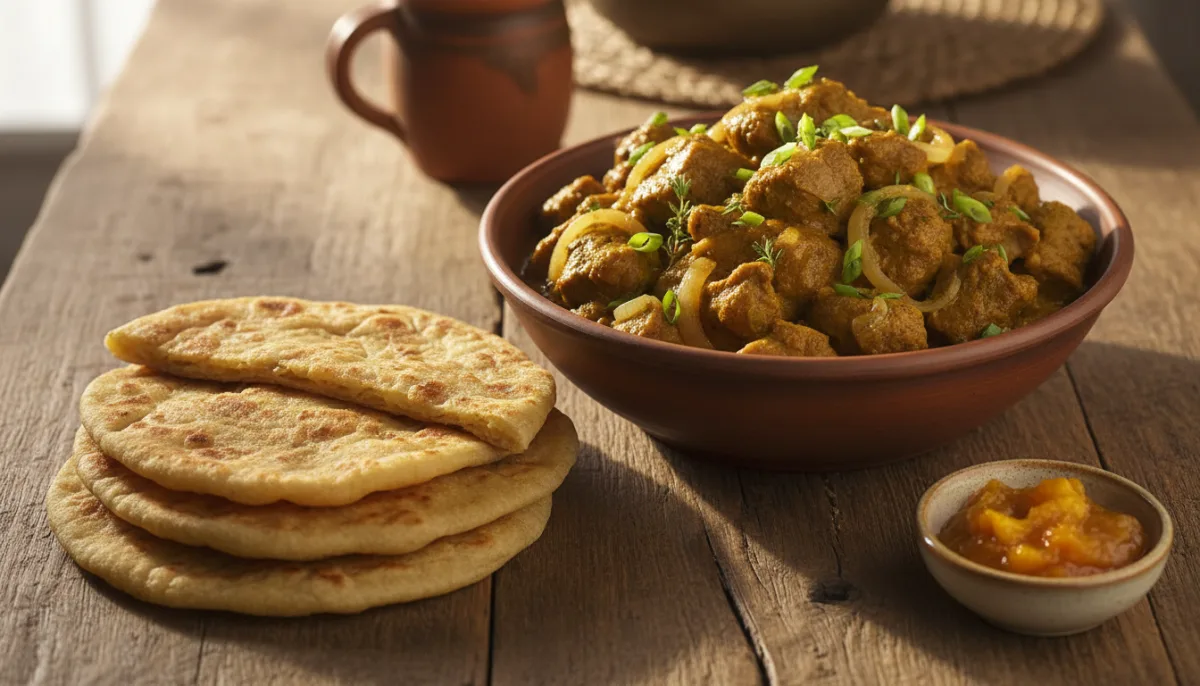
Brown cubed goat or chicken pieces, then sauté with onions, garlic, and a generous amount of Caribbean curry powder. Add water or coconut milk, potatoes, and a Scotch bonnet pepper (whole, for flavor without too much heat, or minced for more spice). Simmer until the meat is tender and the sauce has thickened. Serve with roti or rice.
Plantain Preparations: Sweet and Savory
Plantains are a versatile staple. Green (unripe) plantains are starchy and savory, often fried into 'tostones' (twice-fried patties) or boiled. Ripe (yellow or black) plantains are sweet and soft, perfect for frying into 'maduros' (sweet fried plantains) or baking.
Rice and Peas: The Essential Side
This staple dish, often made with kidney beans (the 'peas'), coconut milk, rice, scallions, thyme, and a whole Scotch bonnet pepper, is the perfect accompaniment to almost any Caribbean meal. The coconut milk adds a creamy richness, and the pepper infuses a subtle warmth.
Tropical Fruits: Sweetness and Balance
Caribbean cuisine is incomplete without its abundant tropical fruits. They are enjoyed fresh, in juices, desserts, and even savory dishes.
- Mango: Sweet, juicy, and versatile, used in salsas, desserts, and drinks.
- Pineapple: Tangy and sweet, excellent grilled or in marinades.
- Papaya: Mildly sweet, often eaten for breakfast or in fruit salads.
- Guava: Distinctly aromatic, used in jams, jellies, and pastries.
- Soursop: A unique, creamy, and slightly tart fruit, often used in juices and ice cream.
These fruits provide a refreshing contrast to the rich and spicy main courses.
Bringing the Caribbean Home
Embarking on this culinary journey means embracing bold flavors, fresh ingredients, and a relaxed approach to cooking. Don't be afraid to experiment with spice levels and ingredient combinations. With a few key spices and a willingness to explore, you can bring the vibrant, sun-kissed flavors of the Caribbean directly to your dining table.
Frequently Asked Questions
Q: What's the difference between a Scotch bonnet and a habanero pepper?
A: While both are very hot and similar in appearance, Scotch bonnets are typically fruitier and slightly sweeter than habaneros, though their heat levels are comparable. They are often interchangeable in recipes if a Scotch bonnet is unavailable.
Q: Can I make jerk seasoning from scratch?
A: Absolutely! Making your own jerk seasoning allows you to control the spice levels and freshness. A basic blend includes allspice berries, Scotch bonnet, thyme, scallions, ginger, garlic, nutmeg, and cinnamon, often blended with a little soy sauce, vinegar, and citrus juice for a wet marinade.
Q: What are some vegetarian Caribbean dishes?
A: Many Caribbean dishes can be adapted for vegetarians. Popular options include callaloo (a leafy green stew), curried vegetables (like chickpeas, potatoes, and pumpkin), rice and peas, and various plantain preparations. Ackee and saltfish, while traditionally with fish, can sometimes be found in vegetarian versions using tofu or other plant-based proteins.